Everyone wants to cut their electricity bill, right? But are we really familiar with when electricity is cheaper and how to use those windows? It seems we're not all that well informed, beyond assuming it starts somewhere around midnight.
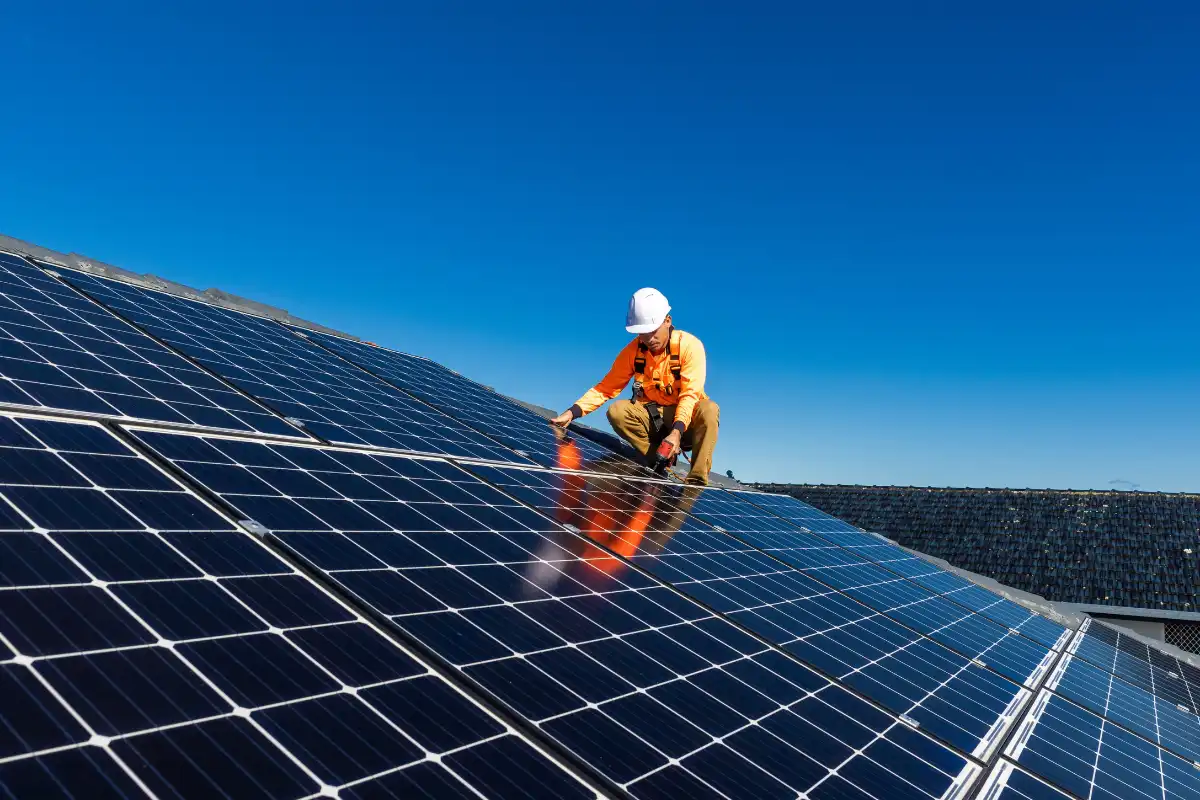
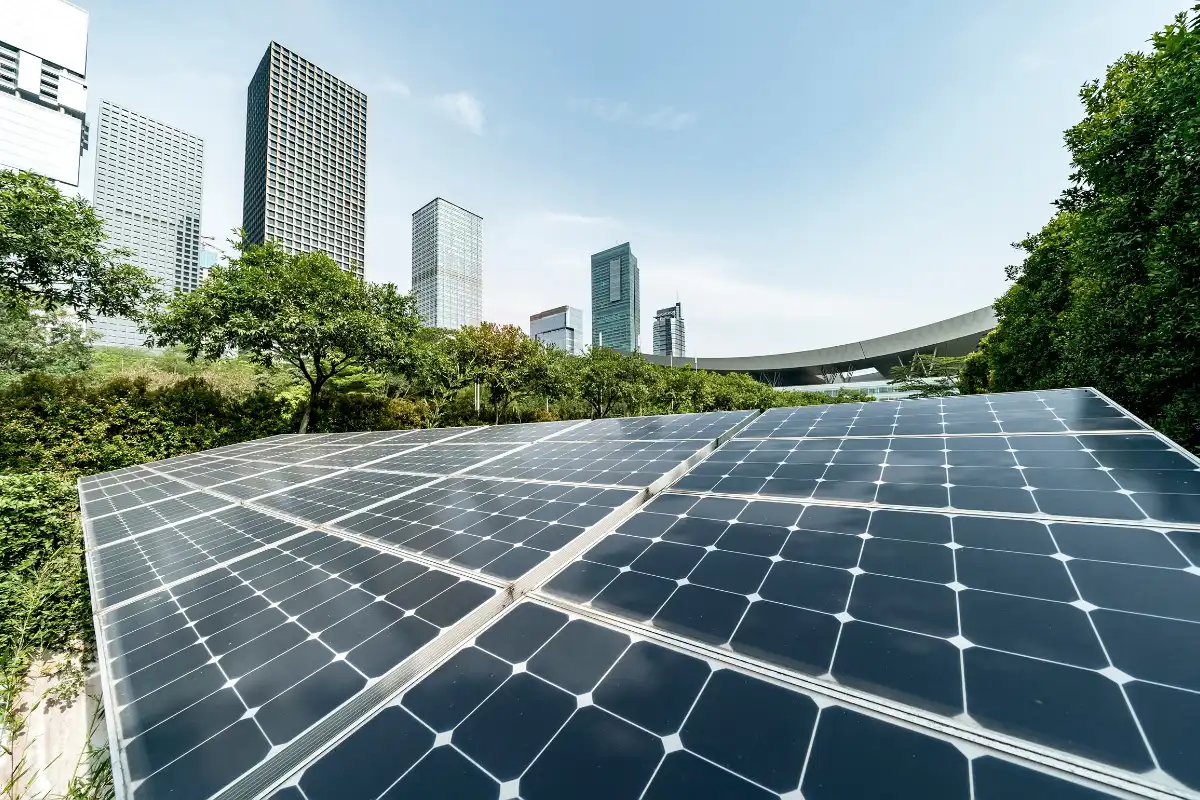
Still, if your goal is serious, long-term savings, we suggest you consider switching to solar energy. You produce your own electricity and drastically reduce your bills. Avoid high bills and market swings, and save electricity smartly by planning when to run your appliances. That way you protect hard-earned money and contribute to protecting the environment at the same time.
Stick with us and find out when electricity is cheap, how to use those periods, and how to noticeably lower your bills.
When does cheap electricity start?
In Serbia, the active tariff system means that the price of electricity is not the same 24 hours a day. Certain periods of the day are cheaper, while others are more expensive.
There are three tariff zones in Serbia:
- Central Serbia : the cheap tariff is in force from 00:00 to 06:00
- Vojvodina : the cheap tariff runs from 23:00 to 07:00
- Belgrade : the cheap tariff is in force from 00:00 to 08:00
Cheaper electricity is usually distributed during the night and the early morning hours. These are the parts of the day when consumption is lower. In Serbia, households typically have two-tariff meters. The cheaper tariff, also known as the "night-time" electricity, usually starts around 22:00 and runs until 06:00 the next morning. During this period, the price of a kilowatt-hour is 30 to 40% lower than during the day, when the more expensive tariff applies. That means running a washing machine or a dishwasher at night costs much less than using the same appliances under the daytime tariff.
We often ask when is the best and cheapest time to run a washing machine, the cooker, or the air conditioner. The answer, of course, lies in electricity prices that jump from month to month.
Of course, the exact hours can vary slightly depending on the distributor, so it's always a good idea to check the precise times with your provider. For optimal savings, it's useful to plan appliance use so that the biggest electricity loads fall during the night tariff window.
It's important to know that the hours are not fixed for every distributor. Check the times of the lower and higher tariffs with your electricity provider, because there are small differences in the timing across these three zones in Serbia.
In some places there are packages with a weekend tariff. Here the kilowatt-hour is charged at a lower rate during the day on weekends too. Knowing about cheaper packages will save you money over the course of a year.
When is electricity cheaper, and when are there exceptions?
Most people are aware that night-time electricity exists, but they're not sure when exactly it starts and ends. Knowing this is the basis for using it in the best possible way.
In Serbia, the night-time tariff generally starts at 22:00 and lasts until 06:00 in the morning on weekdays. In that window, every kilowatt-hour of electricity consumed is significantly cheaper than during the day. For a household, that means: anything you can shift to night-time, shift. The washing machine, dishwasher, water heater, even the charging of electric bike or car batteries, all of it is worth turning on only once the clock passes ten in the evening.
There is also a small exception. On Sundays and public holidays, with most distributors, the cheap electricity starts earlier, around midnight and lasts until midnight, meaning the entire day is charged at the lower rate. However, this depends on your contract and the type of meter, so the best thing to do is check with EPS or look at your latest electricity bill.
If you're wondering why there is a cheaper and a more expensive tariff at all, the reason is simple. In the evening and at night, the grid is less loaded, most people are asleep, factories work at reduced capacity, and consumption falls. Distributors want to encourage consumers to shift part of their habits to those hours so that the grid is more stable and evenly loaded throughout the day.
The price difference can be two to three times. That means if the same appliance runs during the night tariff, you'll pay many times less for the same number of kilowatt-hours. For example, if a washing machine uses 2 kWh per cycle, at night that may cost about 20 to 25 RSD, while during the day it can be 50 to 60 RSD, depending on the current electricity price and the consumption zone.
In Serbia, electricity billing for households works through three zones:
- Green zone, the most favourable.
- Blue zone, more expensive than green.
- Red zone, the most expensive.
The zones depend on how many kilowatt-hours you consume in a month. Each zone has its own price, and once you cross the limit of one zone, every additional kilowatt-hour consumed is charged at the price of the next zone, regardless of whether it was consumed under the cheap or the expensive tariff.
That means electricity is cheapest while you are in the green zone and using the night tariff. Once you move into the blue or red zone, even the night tariff becomes more expensive than it was in the green zone.
How do you check whether you're using cheap electricity?
You check the use of cheap electricity through a two-tariff meter. It is enough to look at your two-tariff meter and verify that it is on the number 2, which indicates that you are in the cheap-electricity zone. If the meter is analog, the arrow will point to number 1 (more expensive) or number 2 (cheaper); with digital meters, the marking T1 indicates the expensive tariff and T2 the cheap tariff.
Depending on which part of Serbia you live in, check the meter after 22:00 or at midnight. If the meter doesn't switch to "2" at the expected time, contact the electricity distribution company to check that everything is working correctly.
Whether, and how much, you've used cheap electricity is also visible on your bill. The best option is to have the "My Bill" app, which shows the entire monthly consumption, how much electricity you've used in each zone, and a comparison of how much you've saved by switching to cheap electricity.
How to use cheap electricity and the night-time tariff in practice
- Programme the washing machine and dishwasher to start at 22:00 or at midnight, depending on where you live.
- Turn on the water heater only in the evening, and let it heat the water while you sleep.
- If you use a storage heater (TA peć), charge it exclusively during the night tariff.
- Charge electric devices, accumulators, and batteries at night.
These small changes don't require a lot of effort, and the electricity bill can be lower by 10 to 20% per month, especially in winter, when costs are higher due to heating. Most appliances now have a delayed-start feature, so it's easy to set everything to turn on when the cheap electricity begins.
In short, in most households in Serbia the cheap tariff runs from 22:00 to 06:00 on weekdays, and on weekends and public holidays it can apply all day. Knowing these hours and adjusting your consumption to them is the simplest and fastest way to cut costs without sacrificing comfort.
Still, if your goal is real savings and the peace of mind of not worrying about whether the tariff is more expensive or cheaper at any given moment, consider installing solar panels. This way you'll drastically reduce your bills, switch to an ecological solution for your family and the planet, and become energy independent from electricity price hikes.
Contact the MySolar team and start producing your own electricity from the sun today.