For a while now you have been researching, gathering information, contacting companies and talking to their experts, but you still haven't found the courage to swap grid electricity for a solar system. You are aware that the initial investment is significant, and you are worried about making a mistake that will cost you dearly later.
Plenty of people were in the same position before you.
We have collected their hesitations, miscalculations and oversights here so that you do not repeat them.
1. Choosing a poor location for the panels
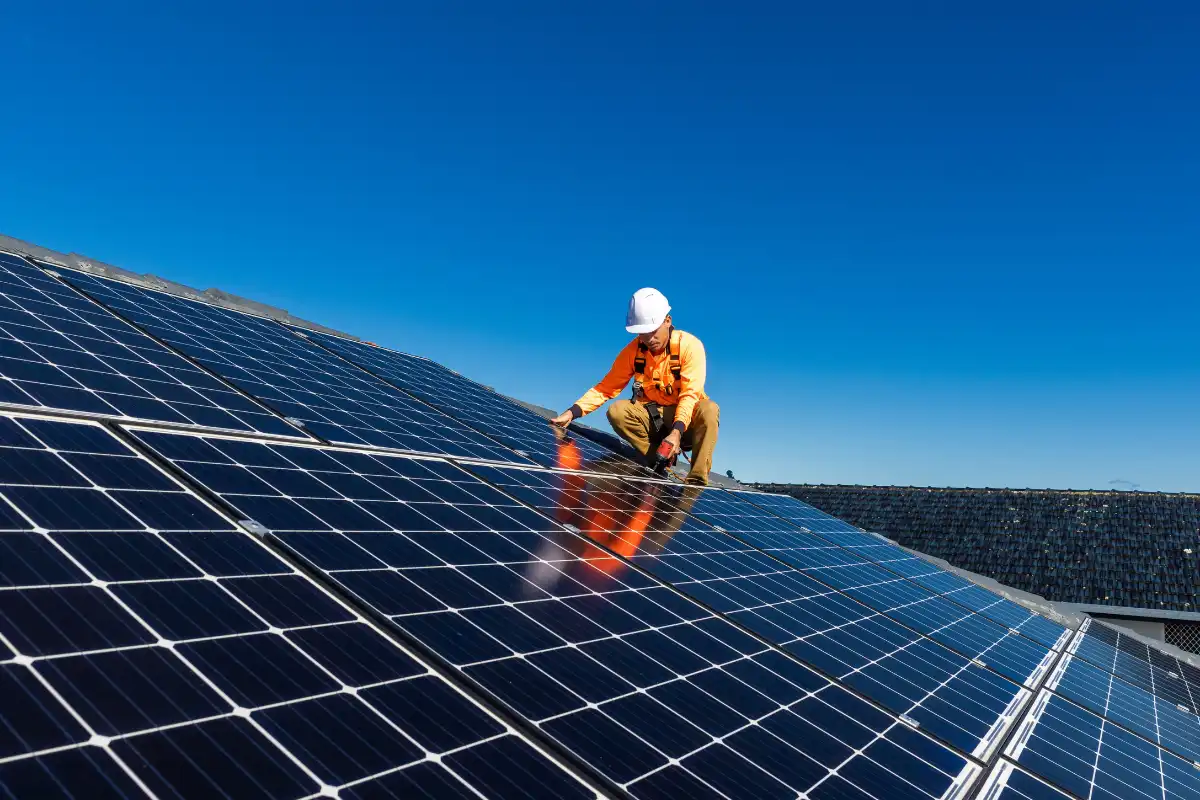
One of the most important prerequisites for getting the most out of a solar system is installing it correctly, taking into account the climatic and geographic characteristics of the site.
Roof orientation, tilt, the surface area you have available, and shading all directly affect electricity production. Proximity to nearby buildings, trees or hills can reduce the efficiency of your panels.
A particular problem is installing panels on old roofs in poor condition without first checking load-bearing capacity or planning for any necessary renovation. In such cases you run into additional costs and technical complications. That is why the initial assessment of site suitability should be done by professionals.
It should cover the structural analysis, whether the chosen location receives enough sunlight throughout the year, whether the available surfaces are accessible for installation and maintenance, and so on.
2. Mistakes in planning and designing the solar power system
One of the most expensive mistakes when installing solar systems is incorrect planning and sizing of the system.
Sizing a solar power system means calculating the total system capacity, the number and layout of panels, and the choice of equipment, so that the building generates the amount of electricity it actually needs given the conditions in which the system will operate.
Why is good planning and sizing so important?
If the system is too small, it won't produce enough energy and the savings will fall short of expectations. With oversized systems, the excess energy is not used optimally, the investment is more expensive, and the payback period drags on.
Another mistake is to plan based only on current consumption, without considering future needs. Good planning starts with an analysis of consumption over at least 12 months in order to capture seasonal differences.
3. Cutting corners on equipment
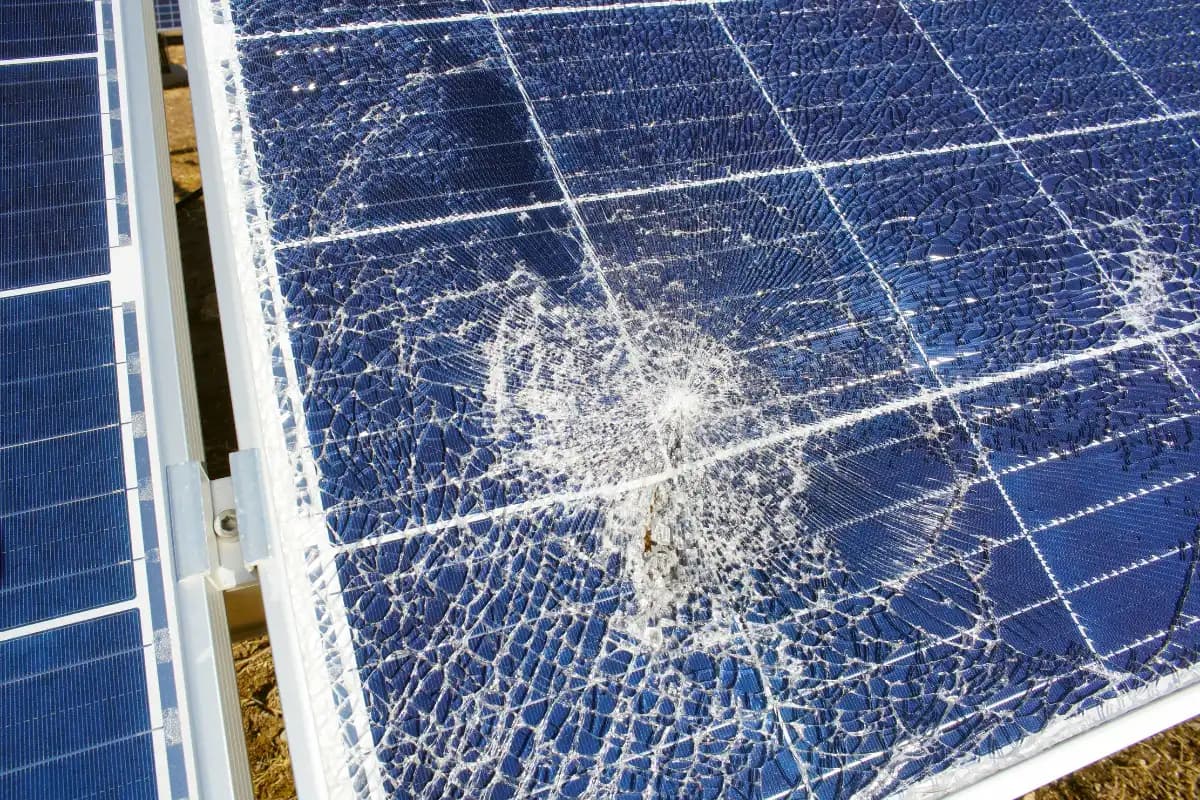
In an attempt to lower the initial investment, people often turn to cheaper, technically inferior components. That approach leads to faster panel degradation, more frequent failures and reduced electricity production down the line.
It is especially important to pay attention to inverter quality, the manufacturer's warranty, and the availability of service. Mismatched components from different manufacturers can cause technical problems and void the warranty. Quality components ensure stable system operation over 25 years or more and form the basis of the investment's profitability.
The inverter is a critical part of the solar system, it converts the direct current from the panels into the alternating current used in households. The wrong choice can seriously limit performance.
String inverters are a good choice for simple roofs without shading, but on more complex roofs or with partial shading they often deliver weaker results. In such cases, microinverters or power optimisers are a noticeably better solution. Another common mistake is relying on a single inverter without any backup, if it fails, the entire system stops working. It is also important to size the inverter correctly relative to the panels and to plan for a future system expansion.
4. Maintenance of the solar power system
One of the myths about solar power systems is that you just install them and they keep running on their own. Systems lose capacity over time, and what can shorten their lifespan further is inadequate maintenance.
Dirt, dust, leaves, snow and other deposits reduce production, so the panels need to be inspected and cleaned periodically. Occasional inspection of mechanical and electrical connections will also prevent larger failures and unnecessary expense.
That is why it is important not only to avoid this mistake, but also to leave maintenance and servicing to trusted companies.
5. Not knowing the regulations and making administrative mistakes
Before installing a solar power system, you need to obtain certain permits and approvals. Errors in documentation or non-compliance with regulations will cost you wasted time and aggravation, the entire project can be unnecessarily delayed or, in the worst case, stopped completely.
That is why we recommend engaging a company familiar with the legal regulations and procedures, so that everything proceeds in accordance with the law. MySolar helps you collect and submit the complete documentation so you can get through this process as quickly and easily as possible.
6. Unrealistic financial expectations
The number-one reason for installing solar systems is their profitability, but you need to keep your expectations realistic. Carefully assess the funds you have available and the time frame in which you can expect them to be returned.
Before you make the final decision, look into the subsidies offered by the state, their availability, conditions and deadlines.
In Serbia, the project run by the Ministry of Mining and Energy together with the World Bank is still active. Through this project, households receive non-repayable funds for introducing energy-efficiency measures, including measures for using solar energy.
The non-repayable funds range from 50% up to 90% of the total investment, so it is definitely worth checking whether you meet the eligibility requirements.
7. Choosing the wrong installation company
The growing popularity of eco-friendly energy solutions has led to an increase in the number of companies installing solar systems. The existence of competition is, on the one hand, good news for the end user, because you can pick the company that inspires the most confidence and offers the best terms and prices.
However, that also means that in a still-developing market you need to be especially careful and research the offers thoroughly so you don't end up making a choice that costs you a lot down the line.
How to avoid mistakes when installing solar systems
A good way to avoid almost all of the mistakes mentioned above is to choose a company that handles all phases of building a solar power system, from planning, through installation, to maintenance and servicing. Such companies will guide you through any potential financial incentives and walk you through the entire administrative procedure.
In other words, the simplest way to avoid the headache is to choose a company specialised in turnkey solar panel installation.
But how do you know you have picked the right one?
The best advertisement is satisfied customers, so be sure to look into whether there are publicly available client reviews, as well as information about the projects the company has delivered, both for individual homeowners and for established businesses.