Solar panels are often mentioned as the "green" option or a solution for those who love modern technology. The truth is, solar energy today carries far more advantages than meet the eye, and the financial and environmental ones are just the start.
We have explored every benefit of solar energy that can genuinely change your daily life, the way you think, and the value of the home you live in.
If you have ever wondered whether solar panels really pay off, or you think you already know everything about them, stick with us to the end, we will reveal 10 things people don't talk about enough when it comes to solar panels.
1. Lower electricity bills
Solar energy is one of the most cost-effective investments a household can make. The main reason is the substantial reduction in electricity bills. Solar panels let you take control of your own energy costs, every kilowatt-hour you produce yourself is a kilowatt-hour you don't have to buy from the grid, and that adds up to significant long-term savings.
In practice, even relatively small solar systems can cover a meaningful share of a household's annual consumption.
Energy from the sun effectively has a fixed price. Once you have paid off the initial investment, which often happens within a few years, every kilowatt-hour produced afterwards is pure savings.
The word "savings" gets used a lot in solar marketing, but for most people it remains too abstract. The key thing to understand: solar panels don't save money by "making free electricity", they save money because they cut the most expensive part of your bill, namely consumption from the grid in the highest tariff. When you produce and immediately use electricity during the day (water heater, washing machine, air conditioning), you offset the kilowatt-hour you would otherwise have paid the most for. That is a real, recurring saving you see on every monthly bill.
2. Low maintenance costs
Residential solar systems are technically simple, reliable, and built to operate for decades with minimal owner involvement. Quality panels from reputable manufacturers are designed to withstand extreme weather, rain, snow, hail, and strong winds, and do not require expensive maintenance because they are well-engineered and free of frequent rework or modifications.
With minimal maintenance, solar panels typically last 25, even 30 years.
Maintenance comes down to occasional visual inspection and the occasional physical cleaning of the panels. We recommend manually washing the panels once or twice a year, a low-cost task that homeowners can often handle themselves.
The component most likely to need attention is the inverter, which has a service life of 10 to 15 years and only minimal maintenance requirements.
All in all, turnkey solar panels are an excellent investment: after the initial outlay, you get a reliable energy source with low maintenance costs, high dependability, and a long operational life.
3. An inexhaustible source of energy
Solar energy is a renewable resource. Unlike fossil fuels, coal, oil, or gas, which deplete and become less accessible over time, solar energy is renewed daily and can be used without fear of running out.
For a household, that translates into supply security. A country can run out of coal, firewood, pellets, or gas, but it cannot run out of sunlight. Every new day brings a fresh supply of energy, regardless of economic or political circumstances.
4. It raises the value of your property
Installing solar panels is an investment in the higher value of your real estate. Today's buyers are not only thinking about the initial purchase price, they are also looking at future running costs. They may well be willing to pay more for a house that delivers long-term savings through lower electricity bills.
Properties with solar panels are typically placed in a higher energy class, which directly affects their competitiveness on the market. This will matter even more once energy passports, already standard across most of Europe, become fully established here.
According to the Law on Planning and Construction, energy passports, which were already mandatory for new builds, will become mandatory for all other properties in the country. The energy passport is a document defining a property's characteristics in terms of the energy required to operate it, with each property receiving a rating from "A" to "G".
What this means in practice is clear from examples in many countries where the energy passport has become a key document during a property sale: a solar system significantly improves the property's market rating and is one of the first items listed in real-estate listings.
5. It does not pollute the environment
If you have an air-quality app on your phone and a purifier working overtime at home, you are already aware of how important a healthier environment is. Beyond those measures, solar energy is the best solution for reducing the harmful substances we release into the air our children breathe.
As a renewable source, solar energy does not produce harmful gases. That means households using solar panels directly contribute to reducing carbon dioxide emissions and other pollutants.
A single household may not make a visible difference on its own, but a larger number of solar-powered households can have a significant positive impact on air quality and the environment as a whole.
6. An independent source of energy
By installing solar panels, a household gains its own electricity source and reduces its dependence on the distribution grid and the volatility of the energy market.
That means you no longer have to track geopolitical developments around the world or follow global energy market prices. Being supplied by solar energy makes you largely independent of frequent disruptions in the energy sector and rising electricity prices.
7. The sun works even on cloudy days
One of the most common myths is that solar panels only work on sunny days. In reality, they produce electricity on cloudy and cold days as well, just at a reduced intensity. Any surplus produced on sunny days is stored, and it is waiting for you precisely on the cloudy ones.
Sunlight, not high temperature or heat, is what matters for energy generation, and sunlight is available throughout autumn and winter. Serbia has between 200 and 250 sunny days a year, and during the rest of the year there is still more than enough solar radiation for the system to keep running.
8. It has versatile applications
Solar energy can be used in many ways, tailored to the different needs of a single household, which makes it an exceptionally flexible and practical solution.
The most familiar use is generating electricity through photovoltaic panels. This electricity can power almost any home appliance, lighting, kitchen appliances, computers, televisions, as well as heating and cooling systems. In households that use electric water heaters, air conditioners, or heat pumps, solar energy can cover a significant portion of daily consumption.
Solar energy can also serve specific purposes around the yard and outside the house: lighting the yard and driveway, powering irrigation systems, or charging electric tools. These applications are especially useful in locations where access to the electrical grid is limited.
That versatility is exactly what makes solar energy one of the most practical and flexible energy sources for modern households.
9. It adapts to any building
Solar panels easily adapt to different needs, buildings, and budgets.
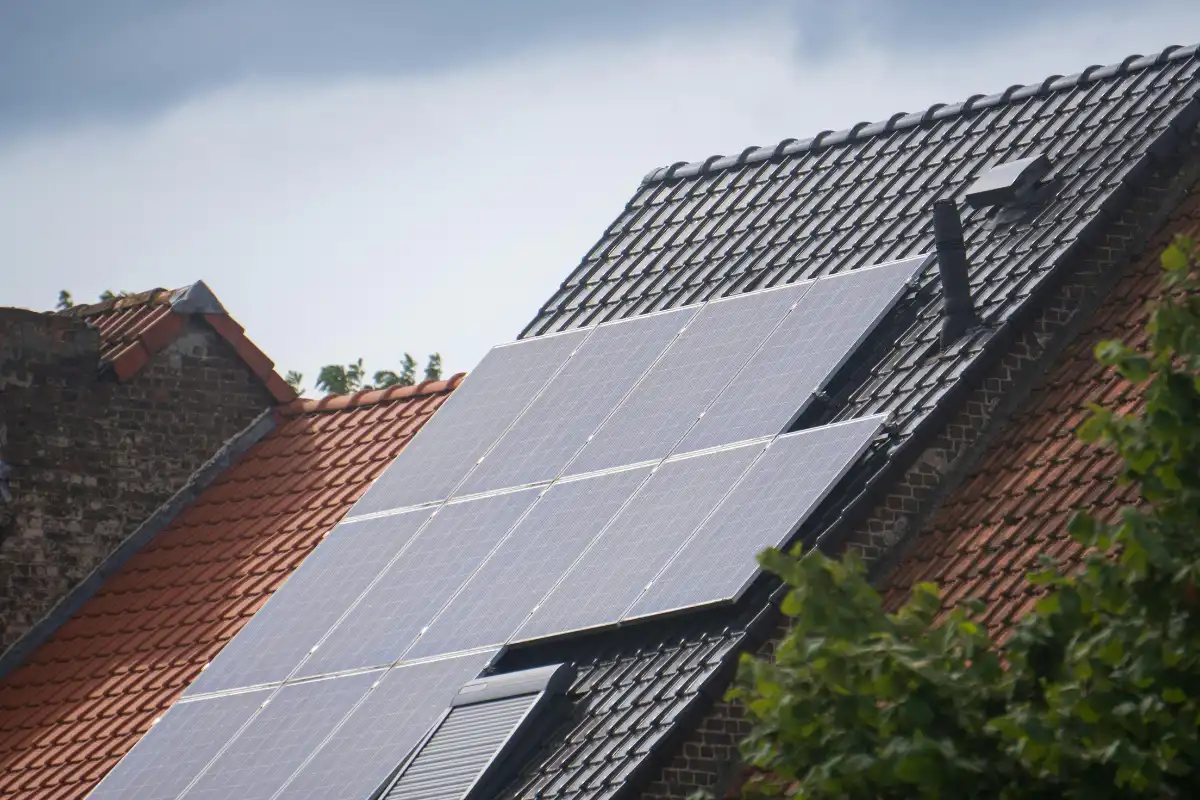
Panels can be installed on the roofs of family homes, outbuildings, and garages, but also on canopies or on the ground, if the roof is not suitable.
Systems are designed based on the specific conditions: roof orientation, tilt, and available surface area. There is no one-size-fits-all solution; every system is tailored to the user.
This adaptability allows solar energy to grow alongside your household's needs. You don't have to invest immediately in a large system that covers your entire consumption. Instead, you can start with a smaller number of panels that take a chunk out of your electricity bill, and later, as needs and means allow, expand the system.
10. It is accessible
Solar energy is no longer a luxury reserved for large investors. It has become an accessible solution for a wide range of households.
Recent years have brought a significant drop in the prices of solar panels and supporting equipment. Thanks to a modular design, systems can be easily tailored to a household's needs, from smaller installations that cover part of the consumption to more complete solutions that supply most of the required electricity.
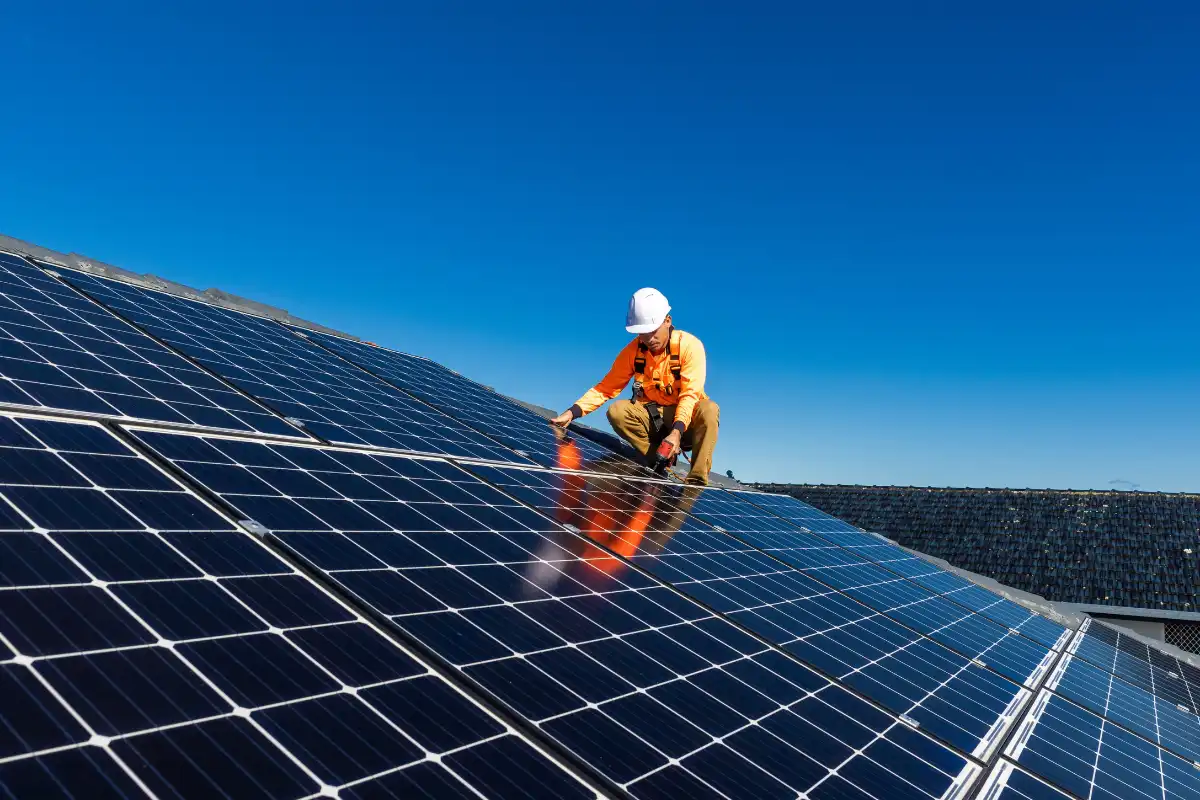
Accessibility also comes from simpler installation and maintenance. Modern solar systems require neither complex infrastructure nor frequent interventions, which makes them suitable even for users without a technical background.
Why are solar systems a smart long-term choice?
Lower bills, stable costs, cleaner energy, and a more valuable home make solar systems one of the rare choices that pay off financially over the long run.
What matters today is the fact that switching to solar energy has never been simpler.
A growing number of companies offer a complete service, like MySolar, from design to installation to regular servicing. That means you don't have to dive into the technical details or worry about logistics. Your only job is to take the first step and get informed.