Most of us get an unpleasant surprise each month when the electricity bill arrives. How is it possible that we pay so much? What uses the most electricity at home? Is there a way to save?
While you wonder where the money goes, one of the culprits is probably sitting quietly plugged in somewhere in your home. The meter spins faster and faster, and you may not even suspect which of countless household appliances is drawing the most energy, even when not actively in use.
We're revealing the 5 appliances that consume the most electricity in a household, with concrete tips on how to reduce consumption.
Which appliances use the most electricity?
Certain appliances draw electricity constantly, while others guzzle energy only when in use. You need to be aware of where electricity goes most, so you know what you're up against and how to keep it under control, and that by using solar energy you can save significantly and reduce monthly bills.
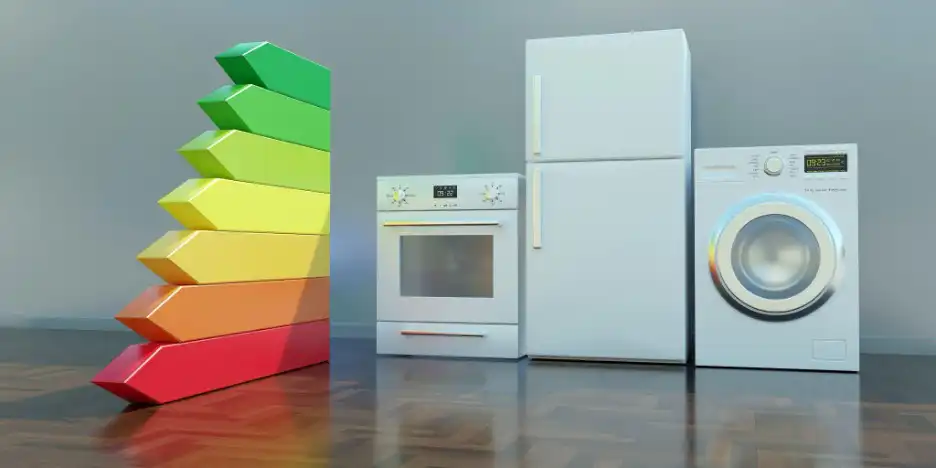
The top 5 household appliances that drastically increase bills are:
-
The water heater (boiler), consumer number one, also called the "invisible consumer", runs constantly in most households. It can draw up to 500 kWh per month.
-
Air conditioning and electric heaters, heating and cooling devices use enormous amounts of energy, especially if running all day.
-
The clothes dryer, practical, but very demanding on energy. Uses up to 4 kWh per cycle.
-
The electric stove and oven, if you often cook and bake, the bills can rise sharply.
-
Refrigerator and freezer, constantly on and often full. They consume more if they are not energy efficient. The older they are, the worse they seal and the harder they reach operating temperature, the more energy they use.
These are the most common culprits when we're talking about apartment blocks and city houses where heating is central. The good news is that with simple habits and controlled use of electricity, we can optimise consumption and nicely reduce our bills.
How much does an electric boiler (heating boiler) use?
An electric boiler that heats an entire house or flat is by far the largest consumer. To heat the large volume of water in a heating system, capacity between 6 and 12 kW is often required.
During the heating season, the boiler has to run several hours a day, which leads to enormous total electricity consumption.
Bear in mind that houses with an electric boiler can place this device in the top 5 consumers, even ahead of the water heater.
How much electricity an electric heating boiler uses, and whether it's worth it, can be answered by users who don't have another type of heating. An electric boiler only makes sense in this type of household.
During the heating season, this method of heating can consume over 1,500 kWh per month.
Setting a thermostat and a programmable controller will reduce consumption. Good thermal insulation of the space is another condition that saves you money.
Still, the biggest financial saving is achievable by using solar energy for heating.
How much does an air conditioner use?
The air conditioner is another of the big consumers. In summer it runs almost non-stop, so its power and consumption are felt at full capacity.
Consumption depends on the AC unit itself, the energy class, the power, and the way it's used.
-
A standard AC of 3.5 kW (12,000 BTU) uses on average around 1 kWh per hour of operation.
-
If it runs 8 hours a day for a month, consumption reaches up to 240 kWh per month.
-
Lower-energy-class ACs use even more.
A++ class inverter ACs use significantly less, especially in the temperature-maintenance mode.
-
An inverter AC of 3.5 kW (12,000 BTU) on average uses about 0.6 to 1 kWh per hour. This applies to cooling or heating mode, depending on outdoor temperature and the set value.
-
If it runs 8 hours a day, monthly consumption ranges between 144 and 240 kWh.
-
AC units marked A++ or A+++ use even less, even 30 to 40% less compared to older models.
The savings are most noticeable with longer or constant use. With inverter technology there is no constant switching on and off of the compressor, the temperature is maintained continuously.
Keep in mind that improper use of the AC, setting too low a temperature and leaving the unit running constantly even when it isn't necessary, will result in enormous consumption.
How much does a television use?
The TV may look like a harmless consumer, but in reality it isn't. When you leave it running several hours a day, total consumption becomes significant.
How much electricity a television will consume depends on:
-
Screen size
-
Display technology (CRT, plasma, LCD, LED, OLED, QLED)
-
Frequency of use
How does this look in practice?
-
A standard 40 to 50 inch LED TV uses 0.05 to 0.1 kWh per hour. Average monthly consumption of between 9 and 18 kWh applies to a TV that's on around 6 hours a day.
-
Larger OLED and QLED models use more than 0.15 kWh per hour. That means longer operation consumes 45+ kWh per month.
-
Plasma TVs use between 0.2 and 0.3 kWh per hour. If used for several hours a day, that's 60 to 90 kWh per month.
-
CRT TVs belong to older technology that was popular before LCD and LED screens. Their consumption is between 0.1 and 0.2 kWh per hour. It all depends on the size and age of the device.
Some TVs also draw power even when switched off, because they have a stand-by mode. If you're away for several days, unplug the TV from the power to avoid unexpected costs.
How much does a washing machine use?
No household is complete without a washing machine. It's the appliance most often in use. Energy consumption varies and depends primarily on the wash temperature, then on the length of the cycle, and on the energy class of the appliance.
-
An average washing machine uses between 0.5 and 2 kWh per wash. It all depends on the programme you set.
-
Washing at 60°C uses almost twice as much energy as washing at 30°C.
-
If you wash clothes 4 times a week, monthly consumption can be from 8 to 30 kWh.
-
High energy-class models like A+++ use half as much electricity compared to older devices.
To effectively reduce costs:
-
Wash a full drum
-
Avoid high temperatures when not necessary
-
Use eco programmes whenever possible
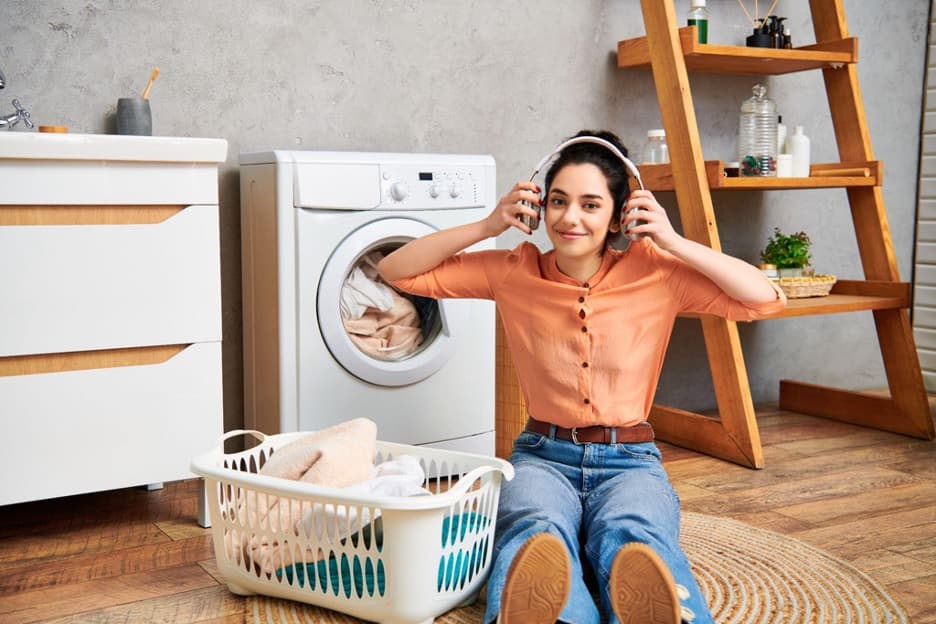
How much does a clothes dryer use?
The clothes dryer is among the biggest consumers in the household. If you use it daily and without optimisation, your electricity bill rises drastically.
Consumption depends on the type of machine.
Classic dryers with a condensation pump use on average 2 to 4 kWh per cycle. That means if you dry clothes three times a week, you'll use about 50 kWh, or even more.
Heat-pump dryers of a high energy class use half as much energy as condensation ones. Their consumption reaches around 1 to 2 kWh per cycle.
Total consumption is affected by:
-
Cycle length
-
Amount of laundry
-
Moisture level
Tips for lower consumption with clothes dryers:
-
Use the lower-speed or eco drying options more often.
-
Clean the machine's filters regularly.
-
Before putting the clothes in the dryer, spin them at high speed.
How much does a phone charger use?
Compared to large household appliances, a mobile phone charger uses very little electricity. That also applies when it's permanently plugged into the socket.
-
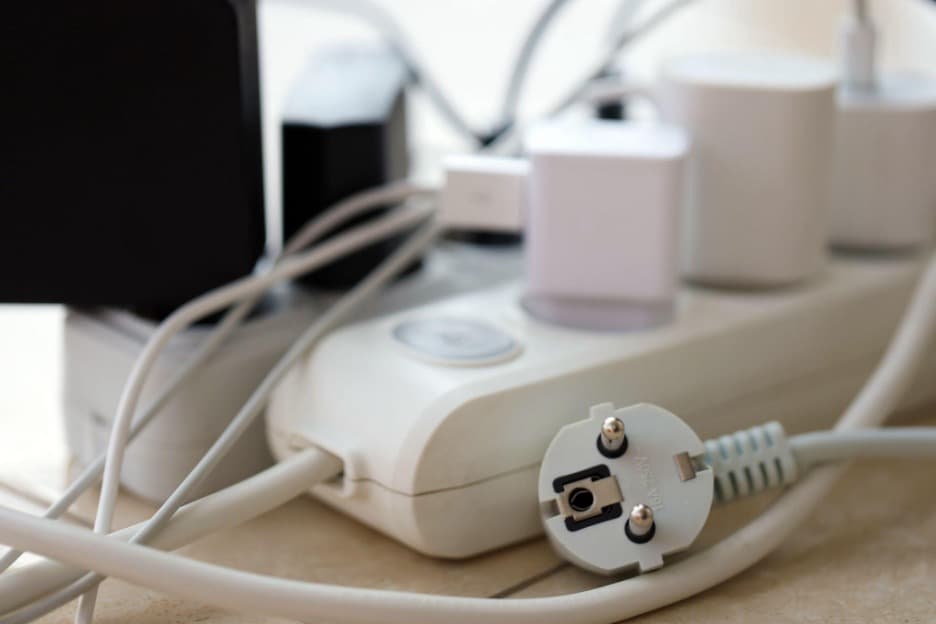
An average charger consumes between 2 and 6 Wh per hour while charging. That's between 0.002 and 0.006 kWh. For one charge a day, that's less than 2 kWh per month, which on an annual level amounts to only about 20 to 25 RSD.
-
If the charger is permanently plugged in without the phone, it uses a negligible 0.1 to 0.5 W. But if you have several of them, even stand-by mode can be felt on the bill.
The advice is to always unplug chargers from the socket when they aren't in use. Not only can you avoid extra costs, but also for safety reasons.
To stop being unpleasantly surprised every month when the electricity bill arrives, first recognise the biggest consumers and learn how to use them more smartly. Small steps bring big savings.