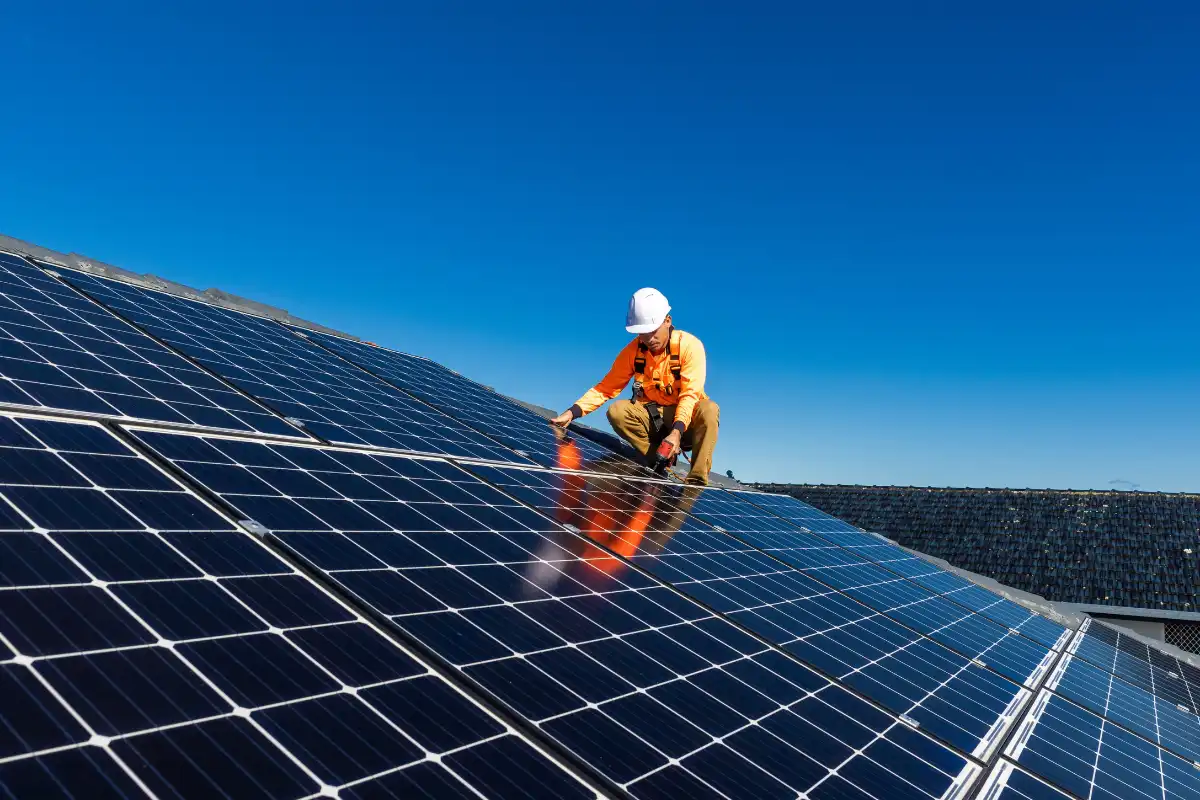
In summer, solar panels produce far more energy than a household typically needs. The days are long, the sky is clear, and most solar systems run at peak efficiency during this time.
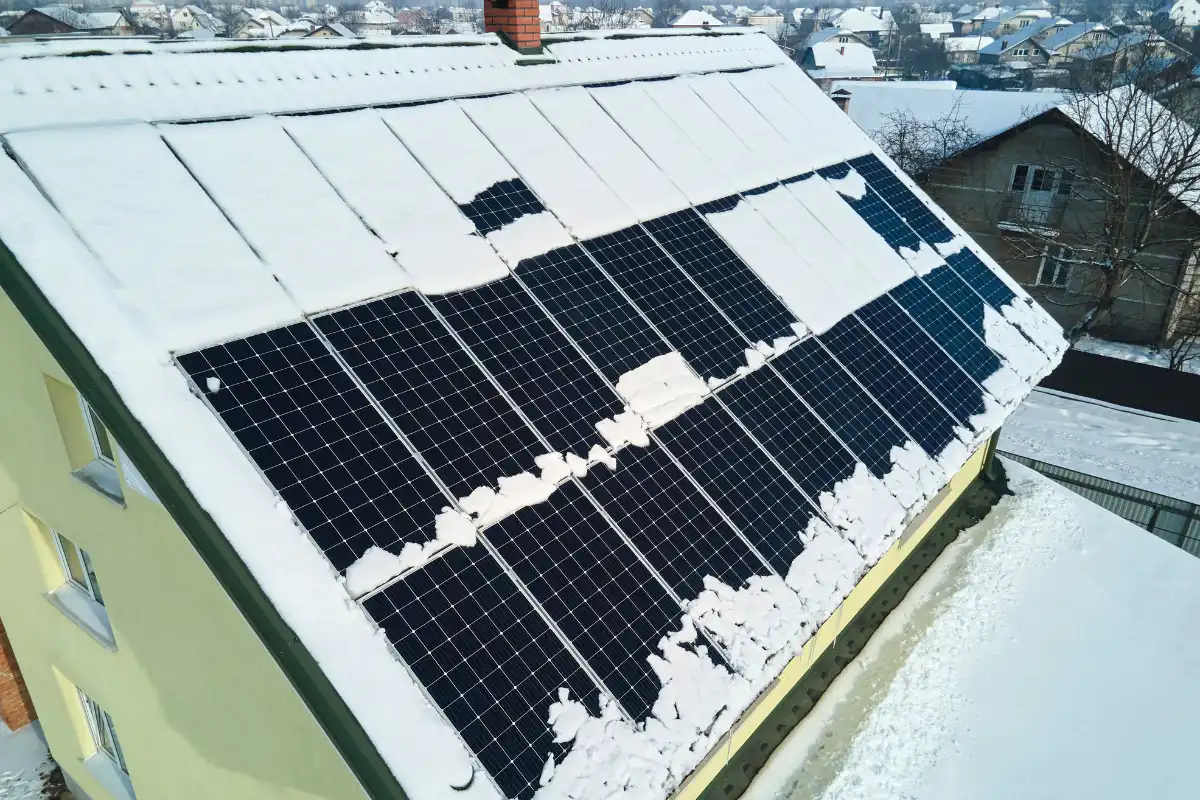
Winter, however, tells a very different story. The days are short, solar radiation is weaker. On top of that, energy consumption rises significantly because of heating.
If you own solar panels, you have almost certainly wondered whether, and how, you can use the energy produced in surplus during summer precisely when it is needed most: during the cold months.
The way the summer surplus is used depends on the type of system, but the good news is that there are highly effective models that significantly optimise consumption and cut electricity costs even in winter.
How does the summer surplus work with net metering?
If you have a grid-connected (on-grid) solar system with net metering, all the energy you produce in excess of your consumption during the summer is "registered" as surplus on your meter.
In winter, when solar production drops, that surplus is automatically drawn back from the grid as a kind of "energy credit."
In other words, the energy you fed into the grid in summer, you draw back in winter under favourable conditions. This is the simplest way to use the summer surplus and the most beneficial model for households without batteries.
In practice, this means that households with a well-designed system and low consumption can cover a significant share of their winter consumption with the energy they "banked" during July, August and September.
How do hybrid systems use the summer surplus with batteries?
Hybrid solar systems (those with batteries) work in a completely different way. In summer, when production hits its peak, the surplus energy automatically charges the battery system.
If the battery is full, the remaining energy is sent to the grid (if net metering is in place) or remains unused (in off-grid systems).
The advantage of batteries is enormous. In winter, while the solar panels produce less, the household uses the energy stored in the batteries, which significantly reduces the amount of electricity drawn from the grid.
This way, the batteries make it possible to save the peak summer production for later, and during winter evenings or moments of high household load, the system relies on its own energy rather than the grid.
Optimising consumption and ways to store summer energy
The summer surplus is not just about the physical energy you send to the grid or push into the batteries. Part of the optimisation also comes through smart consumption management.
In summer, many systems produce 2 to 3 times more energy than in winter, so the ideal approach is to use:
- air conditioners instead of traditional heating
- the water heater in solar mode
- charging of electric vehicles
- running home appliances during peak production hours
- charging the battery to maximum
This way, the household will reduce its overall annual consumption and head into winter with significantly lower bills and less reliance on the grid.
How a properly sized system helps in winter
One of the most common reasons households don't have enough energy in winter is that the solar system is undersized.
A system designed only for summer needs won't have the capacity to produce enough in December and January. That is why, during design, we take into account the average annual consumption and the lowest winter production period.
When the system is properly sized, the summer surplus becomes a "reserve" that covers the winter shortfall.
In combination with net metering or batteries, a well-designed system allows the household to spend the winter almost entirely off-grid in terms of energy.
Can summer energy be "stored" through smart devices and automation?
The answer is yes, and it can even be said that this has become an increasingly common trend lately.
Modern solar systems have integrated smart controllers that monitor:
- current production
- battery status
- household consumption
- electricity prices by tariff
These systems automatically decide when it is worth redirecting the summer surplus to the water heater, battery charging, heating, or air conditioning, preserving energy for the period when sunlight is weaker.
This efficiency is exactly what makes a modern hybrid system the best investment for households that want to put every watt of solar energy to use.
You can use the summer solar surplus very effectively during winter, through net metering, battery systems, or smart consumption optimisation. The key is for the solar system to be properly sized and technically tailored to your needs, because that is what determines how energy-independent the household will be during the coldest months.
With modern solar solutions and good planning, the energy the sun gives away in summer becomes the most valuable resource when the temperature drops.
That is exactly why a well-designed system is the most important investment for stable, low bills throughout the year.