
When the heating season begins and air pollution hits its peak, it is natural to ask whether there is some alternative, a substitute for the fuels that are polluting the air. Increasingly, the focus is on alternative energy sources, with incentives to switch to renewables, and people are being educated about how heating can be both environmentally friendly and financially worthwhile.
Stick with us to the end of this article to learn what alternative energy sources are, how to use them, and why switching is worth it.
Alternative energy, what is it and what is it for?
Alternative energy is energy obtained from sources other than coal, oil and gas. The name "alternative" means it is a substitute for the traditional, polluting and limited resources we use for heating.
The greatest value of alternative energy lies in the fact that it enables a cleaner, more sustainable future, reduces emissions of harmful gases, and lessens dependence on fossil fuels.
It is, in essence, a way to produce electricity and heat with less impact on the environment and greater economic viability in the long run.
Alternative energy comes from alternative fuels and sources that are available in nature and that stand in opposition to traditional fuels, oil, wood, coal, and other fuels that pollute the air.
Alternative fuels, what are they and where are they used?
Alternative fuels are fuels and energy sources used instead of fossil fuels. They include both renewable and non-renewable variants, but what they share is that they are a better option for protecting the environment.
They are most often used in:
- Electricity generation: solar power plants, wind farms, hydroelectric plants.
- Heating and cooling of space: biomass, geothermal energy.
- Transport: biofuels, electricity for cars.
- Industry: replacement for coal and oil in manufacturing processes.
What are the alternative fuels and how are they used in practice?
The best-known alternative sources and fuels today are:
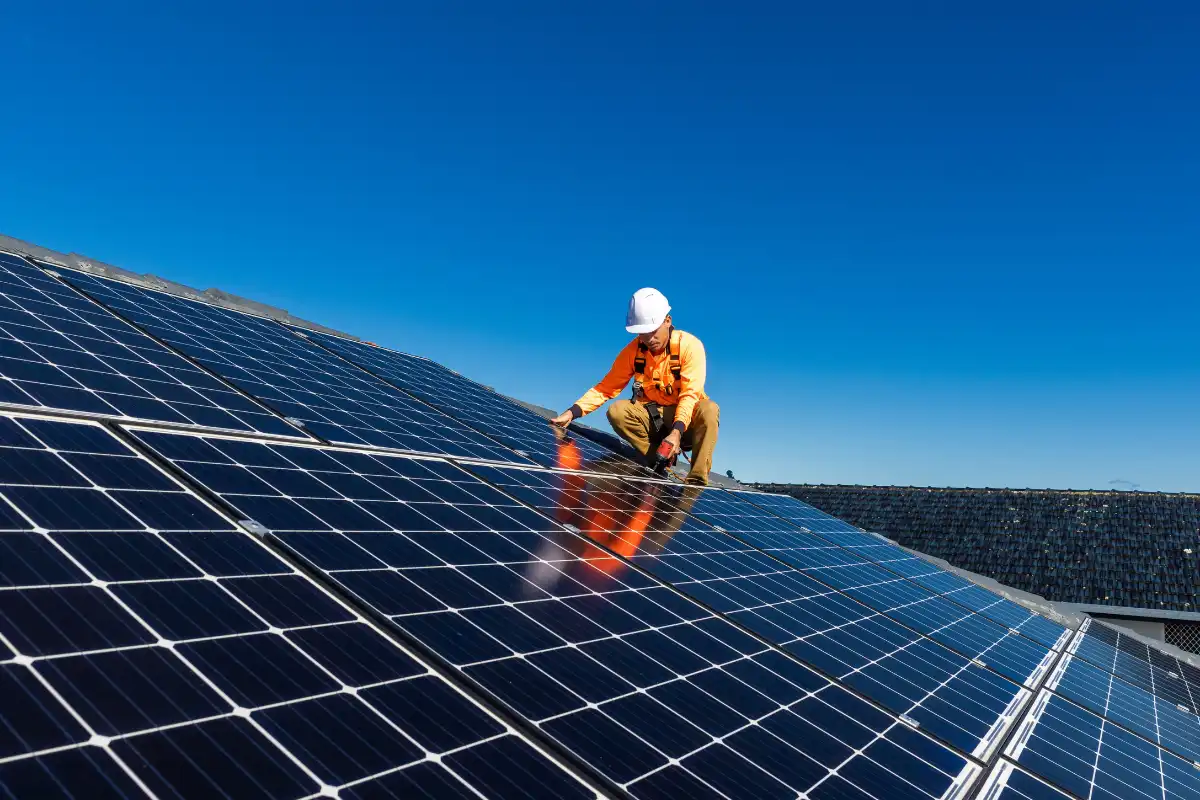
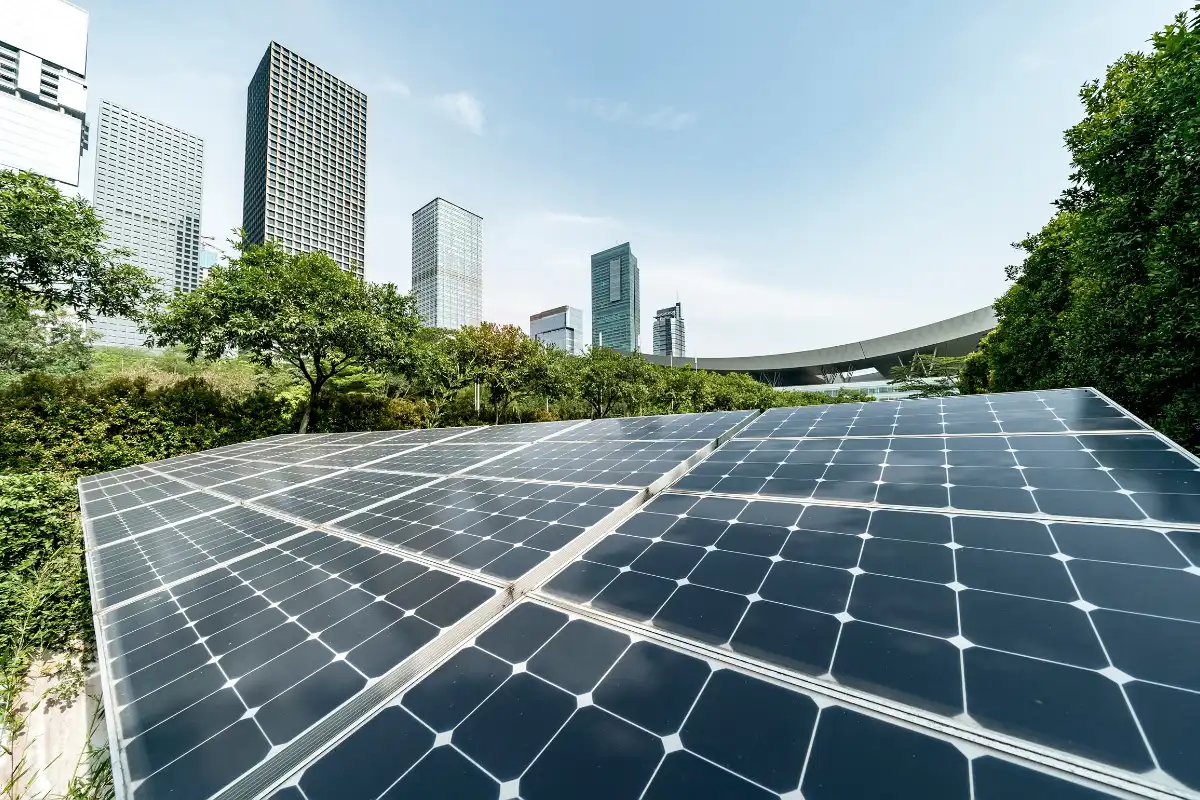
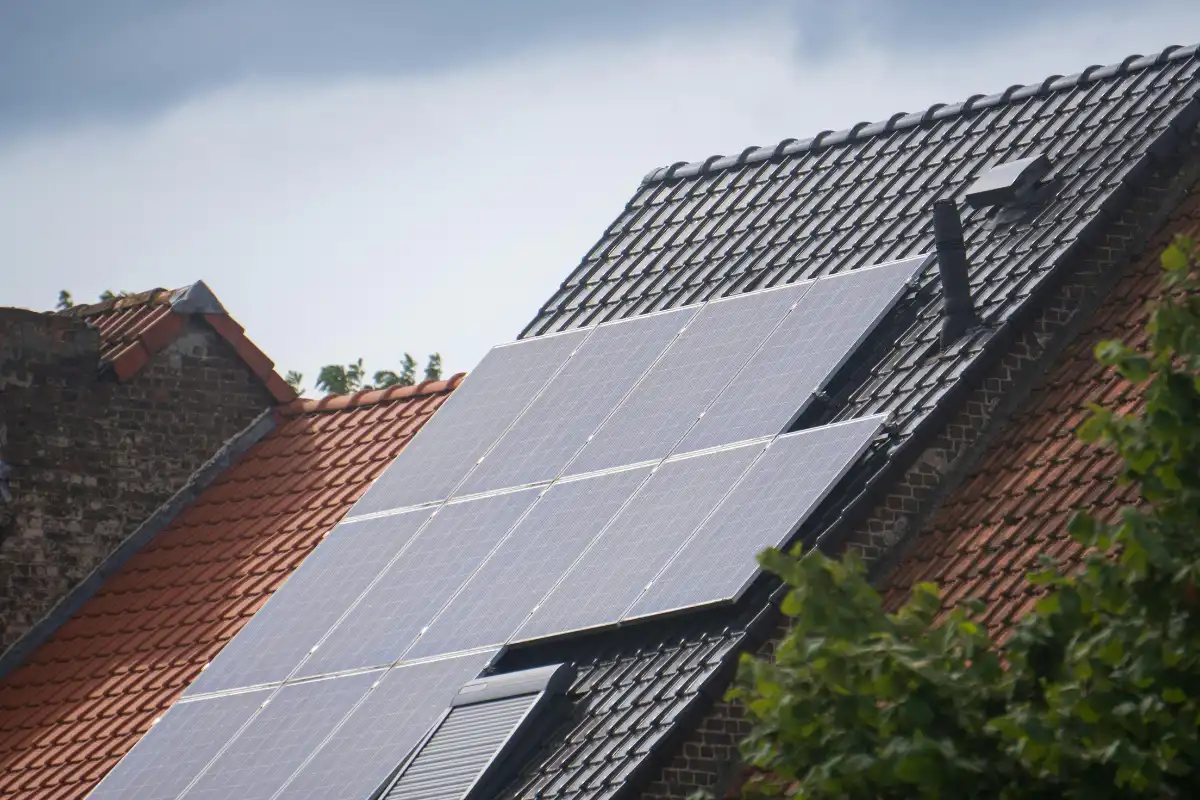
- Solar energy, the sun's energy is converted into electricity using solar panels, or into heat using solar collectors. This is the healthiest and most practical way to generate electricity for households and businesses.
- Wind energy, wind turbines produce electricity, especially in areas with steady, strong wind.
- Hydropower, uses the power of water through hydroelectric plants, from large dams to small mini-hydropower stations.
- Biomass and biofuels, using residues from agriculture, wood, or waste that can be processed into fuel.
- Geothermal energy, heat from inside the earth is used for heating and electricity production.
- Nuclear energy (sometimes classified as alternative), it is not renewable, but it is considered a substitute source because it significantly reduces CO₂ emissions.
The application of alternative fuels depends on the availability of resources. If wind strength and continuity are sufficient in a given area, wind turbines will be used; if there is a nearby river whose power can be harnessed, hydroelectric plants are built, and so on. In short, the use of alternative fuels depends on terrain, climate, geographic location, technical feasibility and infrastructure, economic factors, social factors, and the regulations governing the use of renewable energy.
For example, in Serbia the most promising alternative is solar energy, because we have a large number of sunny hours per year, a legal framework regulating the promotion, incentives, and subsidies for the use of renewable energy, and we also have favourable infrastructure conditions for installing and connecting solar systems.
Wind and water are locally significant, while biomass can be a solution for rural areas.
How do alternative electricity sources change our lives?
Alternative energy sources are increasingly becoming part of our daily lives. They enable:
- Lower electricity bills: solar energy in particular, because households can produce their own electricity, store surplus in batteries, and ensure continuous production even on cloudy days. Every year brings continuous savings that the household budget feels.
- Energy independence: we depend less on imports of fossil fuels and on price fluctuations on the global market. We have our own energy sources, and our budget is not affected by spikes in the price of electricity, oil, coal, or wood.
- Environmental protection: reducing carbon dioxide emissions and preserving natural resources is one of the primary considerations when switching to alternative sources.
- Development of new technologies and jobs: investment in green energy drives the development of whole industries, the creation of new jobs, and the growth of learning and awareness in a society striving for a better future.
Today, alternative energy is used more than ever before, but still not at the level it should be. Based on trends in the EU and around the world, it is estimated that renewables and alternative sources will become dominant in electricity production in the coming decades.
In our country, although there are several different alternative sources, solar energy has proven to be the most practical solution for households and businesses in Serbia. The reasons are simple: there are enough sunny days throughout the year, the installation of solar panels is quick, we have the necessary legal and infrastructure conditions, and the investment pays off over time through savings on electricity bills, which is in everyone's interest.
If you are considering switching to cleaner and more economical energy, solar panels are the first step toward energy independence and the protection of nature.