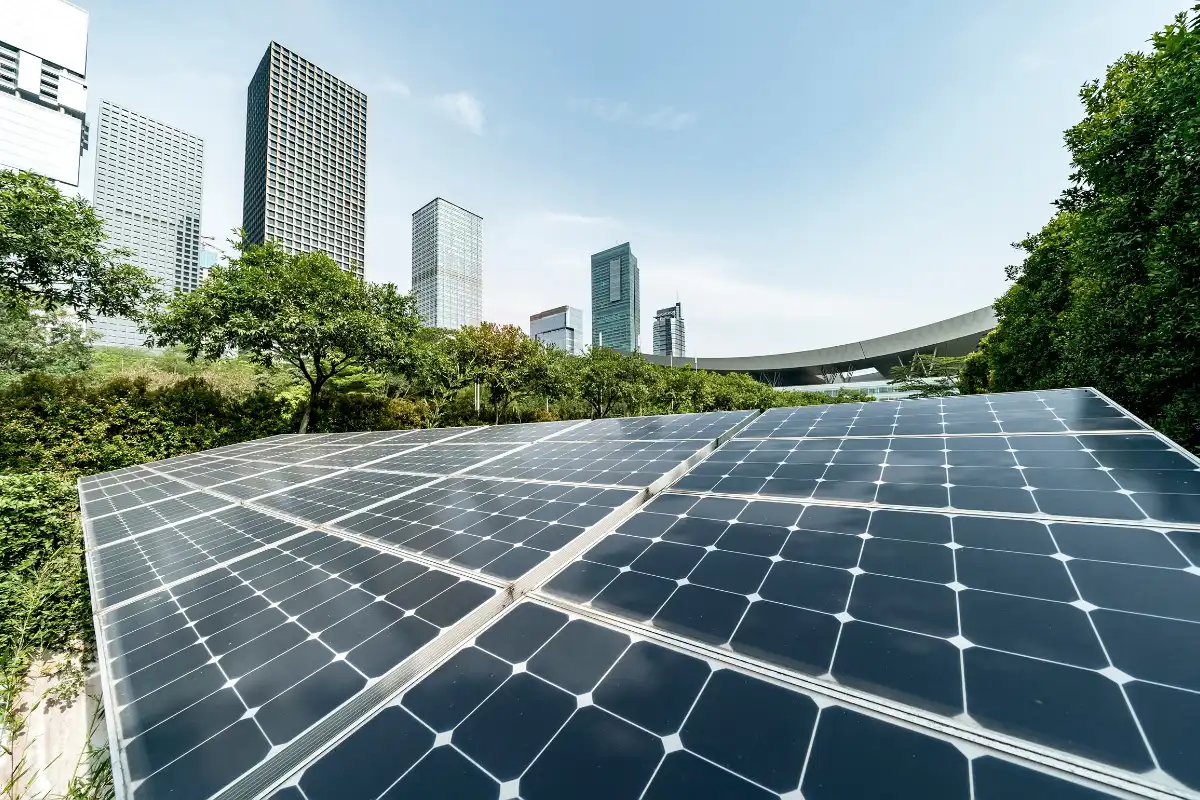
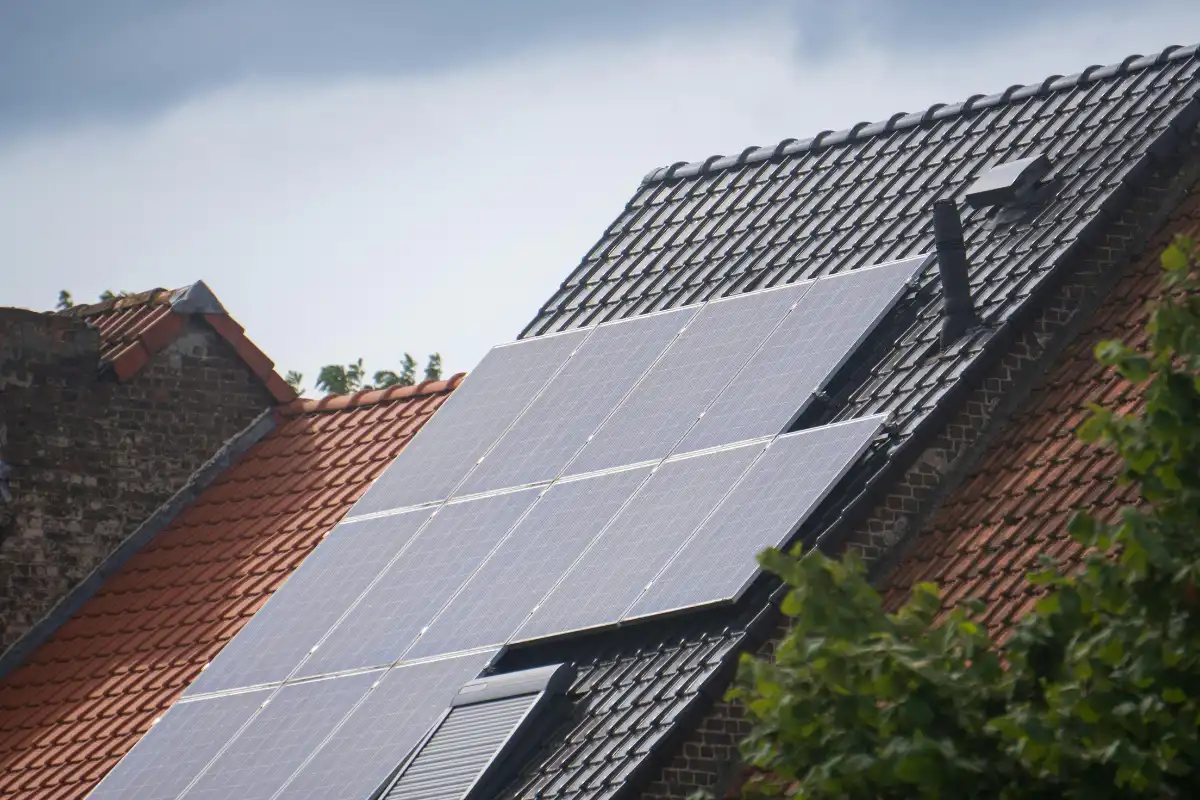
When we think of solar panels, we usually picture a modern, newly built house. That assumption needs to be dropped, many owners of older houses have been thinking about installing solar panels for years, but a single concern keeps holding them back: can their roof handle it?
With older houses, there is always a fear that the extra load or drilling into the roof tiles will damage something, that the roof will start to leak, or that some bigger problem will develop. That worry is understandable, especially with houses built 20, 30, or more years ago.
In practice, however, solar panels can be installed safely and successfully on roofs that are not new, provided everything is done by professionals, the condition of the roof is assessed beforehand, and any preparation is done properly. That is why a roof inspection is the first and most important step.
What does a professional roof assessment involve?
Before installing solar panels, a professional team needs to come to the site and inspect the roof in detail.
During the inspection, they check:
- the condition of the roof tiles
- the condition of the gutters
- the condition of the wooden structure
- the condition of the rafters, battens, and waterproofing
Often, even when the roof turns out to be old, it gets a "green light", meaning it is perfectly stable, because a good wooden structure lasts for decades.
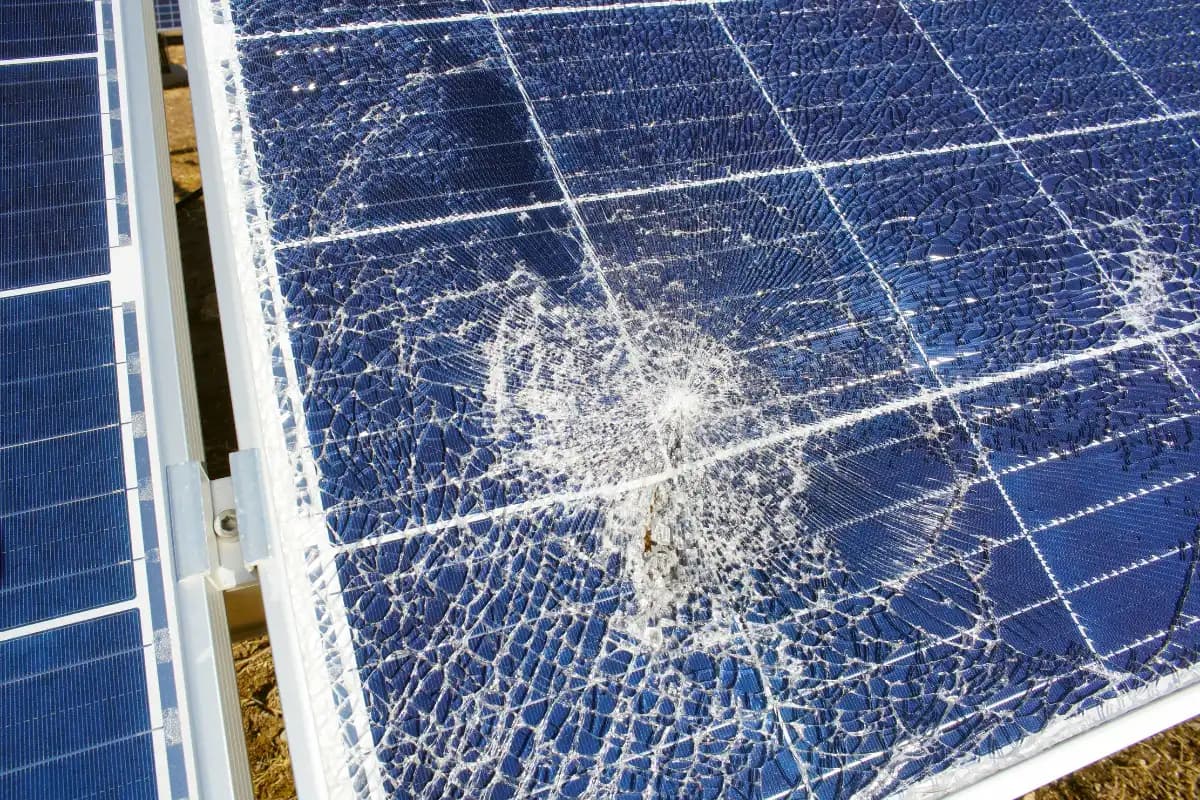
During the assessment it is important to identify any damage, loose tiles, weak spots, or parts of the structure weakened by moisture.
Once this has been verified, the installation team knows exactly where and how the mounts can be placed safely, without any risk to the roof or the house.
Installing panels on an old but stable roof
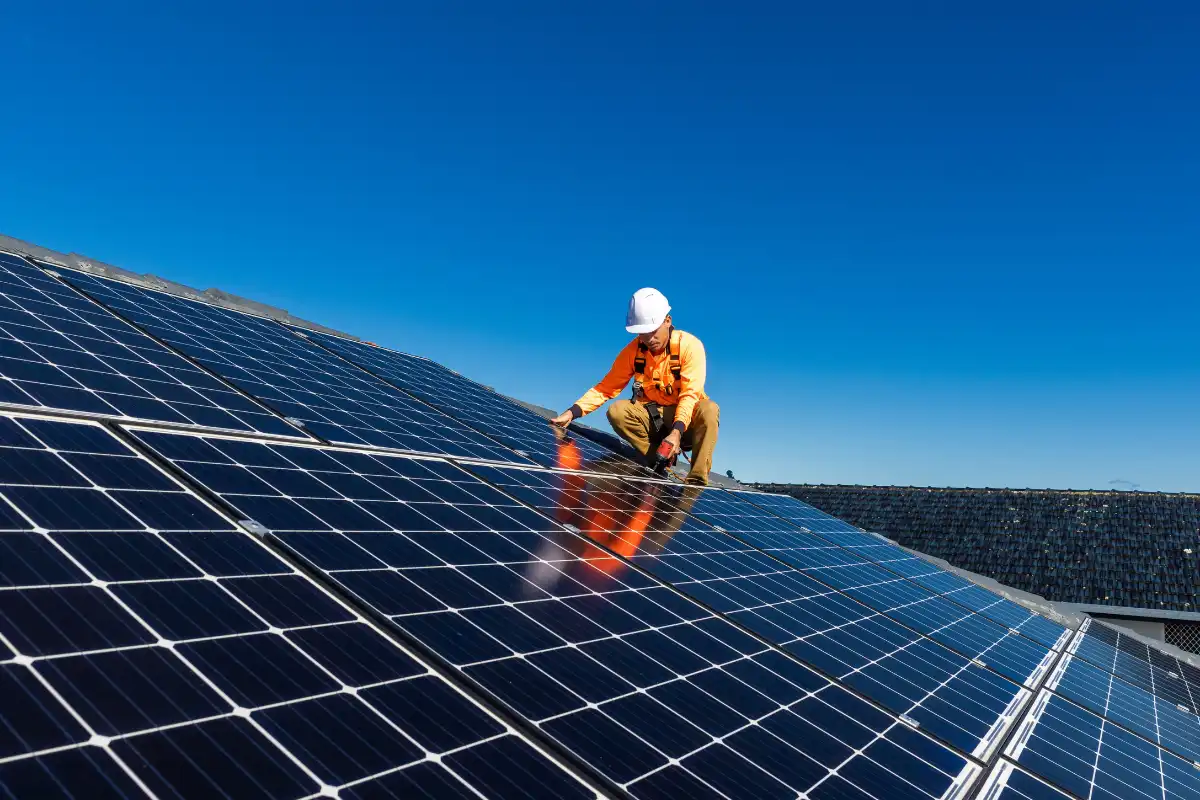
In practice, the most common scenario is that the roof is older but completely stable, there is no concern that the solar panels will cause any problem. Once the structure is confirmed to be sound, the panels are installed using the same procedure as on a new house.
First, aluminium mounting brackets are placed on the roof and fixed directly into the load-bearing parts of the structure.
Then come the rails and the panels themselves, using professional equipment that guarantees all fastening points remain fully watertight.
When the installation of solar panels is done properly, the roof remains entirely intact in terms of its function. It will not leak, weaken, or deform.
Is it possible to install solar panels on a damaged roof?
When the roof is old, it is often enough to carry out minimal repairs before installation, replacing broken tiles, reinforcing battens, or adding a few new structural elements.
These corrections are quick and inexpensive, and they allow the solar system to stand for decades afterwards without any issues.
In practice, it is very rare that a complete roof reconstruction is required. Most often, the on-site work involves smaller interventions that ensure the panels are mounted on a reliable, durable base.
What does the installation process on an older roof look like?
Once the roof is well prepared and inspected, the installation itself moves quickly and efficiently. The specialists in charge of mounting the panels precisely mark the points where the brackets will be fixed to the wooden structure.
This is followed by:
- installing waterproof brackets
- fitting aluminium rails
- mounting the solar panels
- connecting the cables and the inverter
- final system check
Everything is done so that the integrity of the roof is not compromised. Many people worry that panels will harm the roof, in fact, the panels actually protect part of the roof from rain, snow and UV radiation, and extend its lifespan.
Do solar panels put too much strain on an old roof?
Let's finally clear up the mystery, the answer is no. Although solar panels look bulky, they are surprisingly lightweight. Their weight is distributed across many mounting points, so the load a panel places on the roof is significantly less than the weight of a heavy snow drift after a blizzard.
Old roofs that have withstood decades of snow, wind and rain handle the extra 2 to 3 kilograms per square metre that solar equipment adds without any problem.
What if the roof is flat, metal, or covered with corrugated cement sheets?
Older homes often have non-standard roof coverings. For flat roofs, ballast structures are used, placed without drilling.
For metal roofs, special mounts are used that are screwed into the sheet profile without damaging it.
Corrugated cement (asbestos-cement) sheets are the most sensitive, but there are solutions for those too. In this case, a mini structure is usually built that bypasses the sheet itself and transfers the load to safe points beneath it.
Whatever kind of roof your house has, don't worry. For every type of roof there is a safe installation method. The only thing that matters is choosing an expert team and quality solar panels.
Does an old roof deteriorate faster after the panels are installed?
No, in fact, the opposite is often true. The panels provide additional protection to part of the roof, as they shield the surface from the direct impact of rain, hail and UV rays.
Once again, the emphasis is on expertise. If the installation is done professionally, the roof remains fully functional and often lasts longer than a roof without panels, precisely because part of the surface is covered and less exposed to the elements.
In short, solar panels can be installed successfully even on very old roofs, provided that a professional assessment, and, if necessary, minor repairs, are carried out before the installation.
When the mounts are properly installed and the structure is stable, a solar system on a house's roof becomes a reliable installation that can last 25 years or more.