Want energy security? Then there is no better option than installing solar panels. Investing in a solar system is not just a step toward energy stability, it is a long-term investment that can serve you for decades.
Quality solar panels have an average lifespan of 20 to 25 years, but with proper maintenance and a responsible approach, their efficiency can last more than 30 years.
For the system to keep operating stably, however, you need to give attention to its maintenance, check it regularly, and protect it from outside influences.
Read on for the most important tips on how to maintain solar panels so they serve you for decades.
Why is regular maintenance of solar systems important?
Solar panels are very durable and handle all kinds of weather, sun, rain, or snow.
However, no matter how high-quality they are, panels still require occasional, proper care. Particles of dust, pollen, leaves or bird droppings can form a thin layer that reduces light absorption and therefore affects energy production.
Although this problem seems harmless, in some cases it can actually reduce electricity production by as much as 20%.
But regular maintenance is not just about occasional cleaning. It also includes performance monitoring, checking connections and the inverter, and inspecting the metal mounts holding the panels.
With regular checks you not only spot smaller anomalies early and resolve them in time, you also prevent any issues from escalating into serious failures that could shorten the lifespan of the solar system.
Cleaning solar panels, when and how?
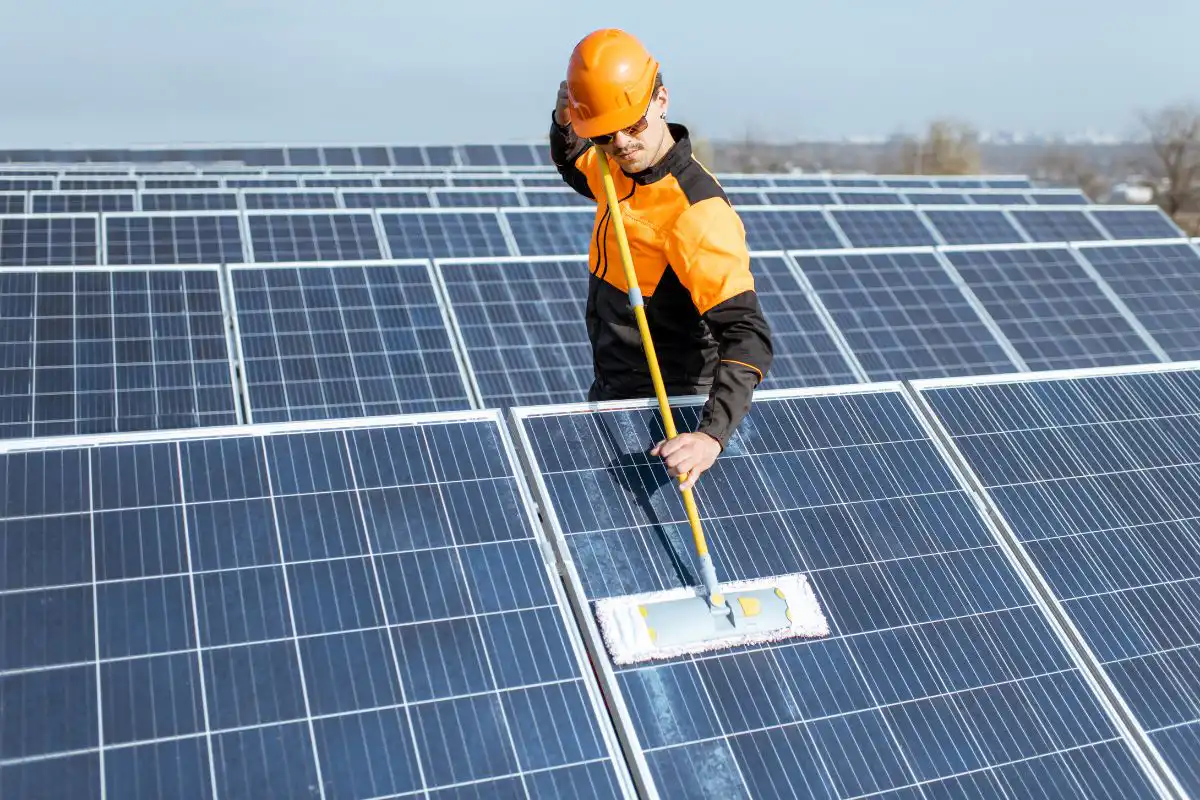
Cleaning solar panels is recommended two to four times a year, depending on the climate and surroundings.
Of course, much depends on the location. In areas with more dust, wind or agricultural activity, dirt accumulates faster, so more frequent cleaning is advisable.
The best time to clean is in the morning or evening, when the panels are not hot. Use distilled water and a soft brush or sponge, without chemicals or abrasive products. Avoid high-pressure washing and cleaning while the system is active. Water on heated panels can cause microcracks, damage the surface layer of the panel, and ultimately lead to panel failure.
In addition, if your roof is hard to access, call a professional service to do the job. Don't delay servicing, it directly affects the productivity of the panels and how long they last. Panel cleaning is a small investment that saves energy, time, and potential repair costs that would be many times higher in the long run.
Regular inspections and servicing of solar systems
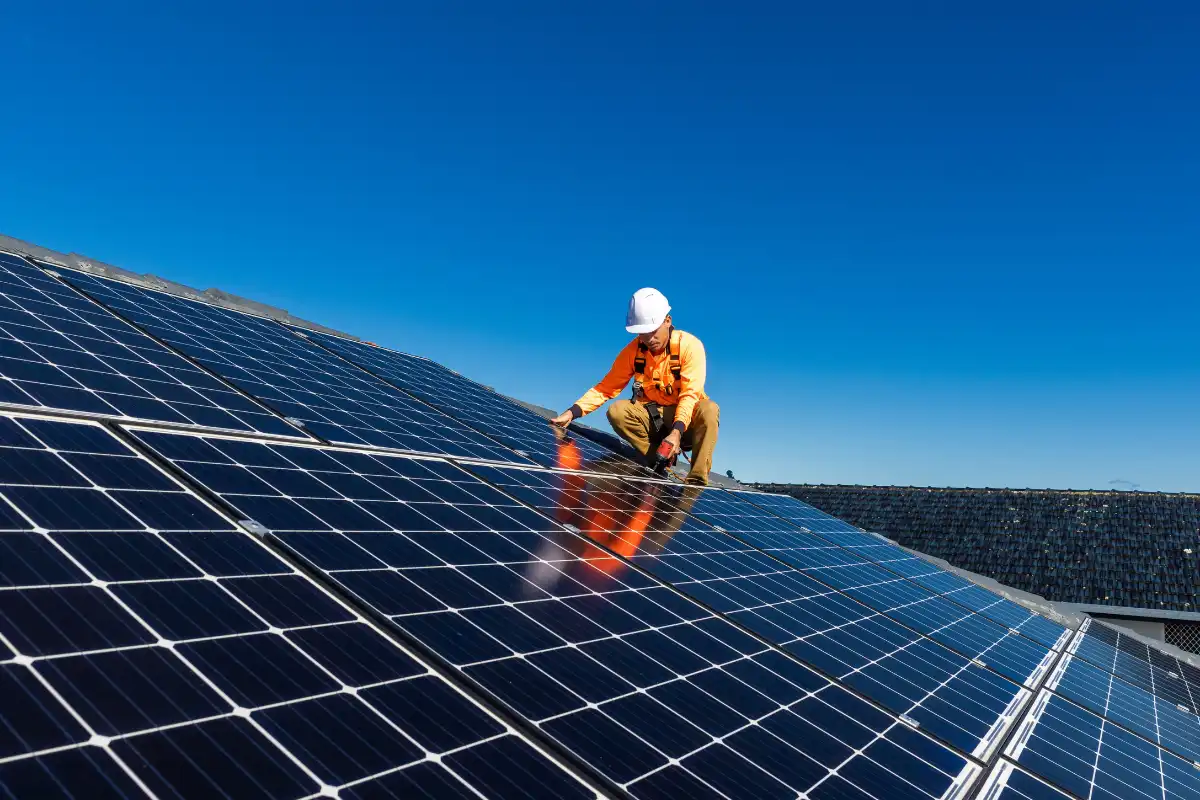
A solar system is a technically complex assembly, so it is best to have it inspected once a year by a specialist.
During servicing, the connections and connectors are checked (whether there is oxidation), the metal mounts (to make sure they haven't corroded), and the inverter itself, which is the "heart" of every system. Regular inspection also includes a check of cables, fuses, and the panels' output, which helps detect any drops in performance.
These inspections are not just a recommendation, with many manufacturers, they are a condition for preserving the warranty. That is why it is recommended that servicing be performed by a certified technician using the right equipment, keeping a record of every intervention.
Factors that affect the lifespan of solar panels
How long a solar system will last depends primarily on the quality of the components and how professionally it was installed.
Panels and inverters from reputable manufacturers have a lower degradation rate and are more efficient over the long term. However, installation quality and system maintenance are equally important.
If the cables are poorly routed, the panels at the wrong tilt, or the mounts inadequately fixed, all of that can cause failures and energy losses.
Lifespan is also affected by the position of the panels. Those oriented to the south, with a moderate tilt and no shading, will always deliver better results. Local weather conditions also play a significant role, high temperatures and hail accelerate the ageing of materials, while moisture can affect electrical connections.
When we take all this into account, we can see that proper installation and periodic maintenance are basic prerequisites for long and stable operation of solar panels.
How to recognise when it is time for service
If you wait for something to break before you act, it will probably already be too late. The system doesn't have to stop working for you to know it needs attention.
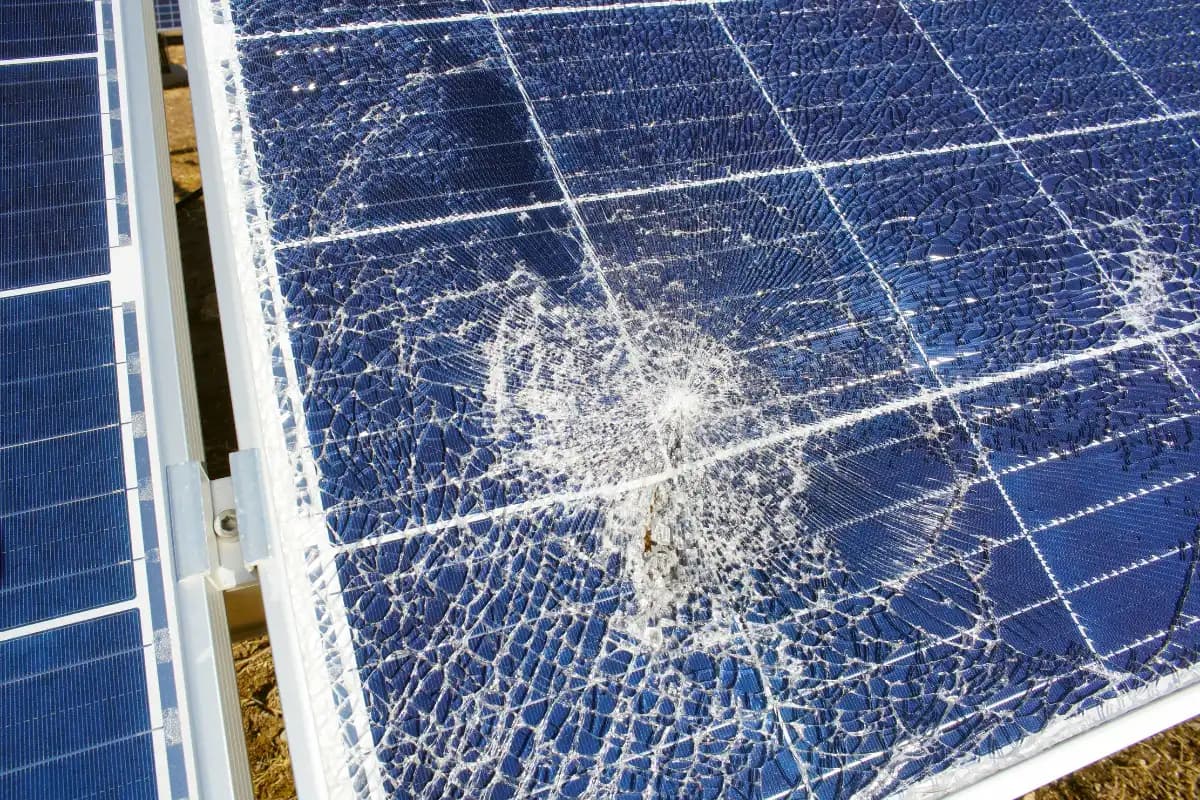
If you notice that energy production is lower than before, that warnings or unusual messages appear on the inverter, or that the panels are visibly damaged or have changed colour, it is time for service. It is also time to clean and maintain as soon as you notice a layer of dirt on the panels.
Sometimes even small changes, such as an unusual smell from the inverter cabinet, can indicate an electrical problem that should not be ignored.
Do not try to repair or dismantle the installation yourself under any circumstances. Don't forget that solar systems operate under high voltage and therefore require professional handling. If you detect a problem early, you will not only extend the system's lifespan, you will also reduce the risk of damage to the whole string of panels.
A solar system is an investment that delivers stable, clean energy and significant savings on the electricity bill, but only if it is properly maintained. Cleaning, regular servicing and timely response to changes mean your panels will last 30 years or more, with minimal losses.
Remember, preventive action is always a better and cheaper option than repair. If you hire a professional service and follow the manufacturer's recommendations, you will extend your system's lifespan and at the same time preserve its maximum capacity in the long run.
Caring for a solar system is not an expense, it is an investment in the safety and longevity of your energy independence.