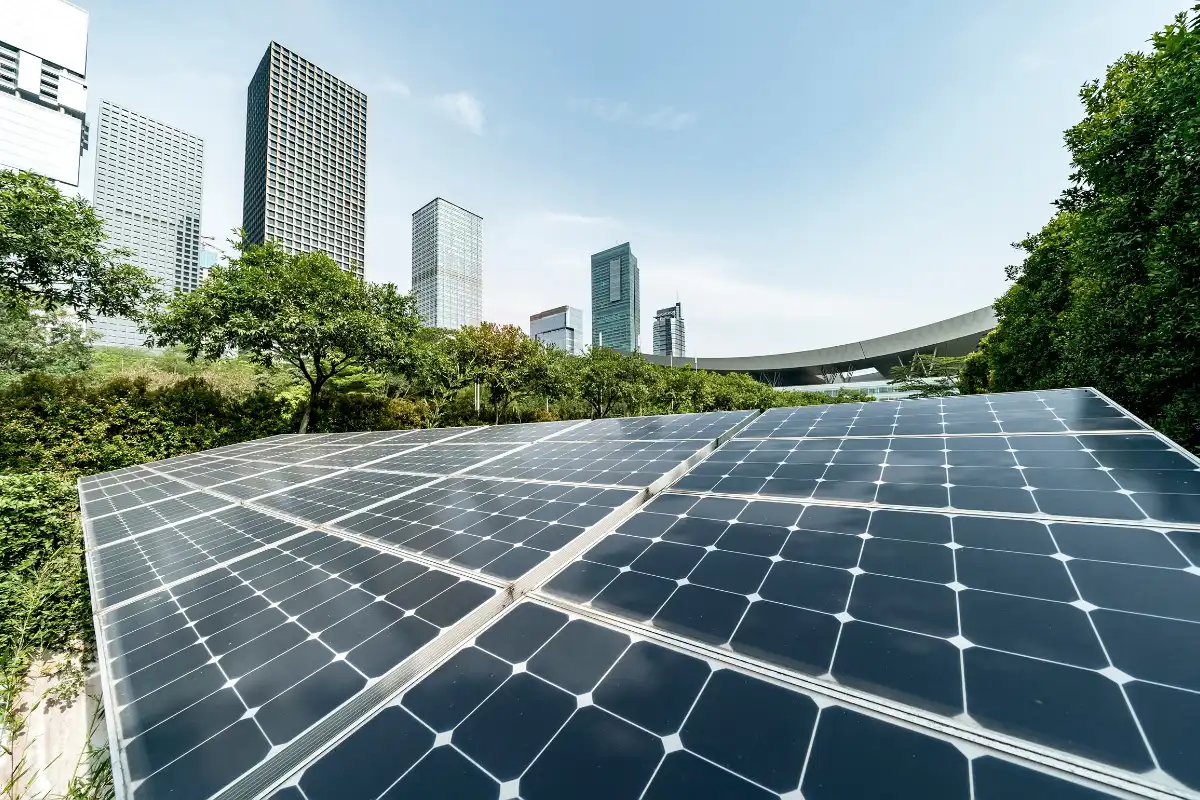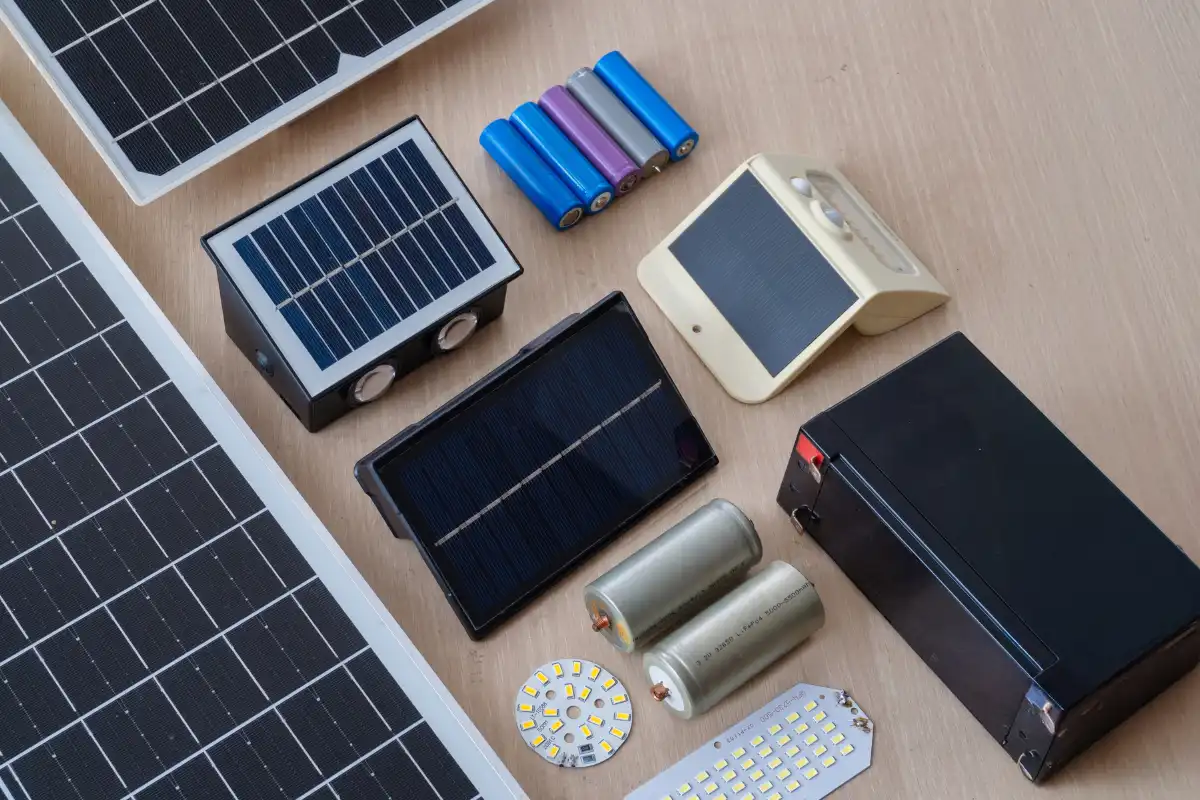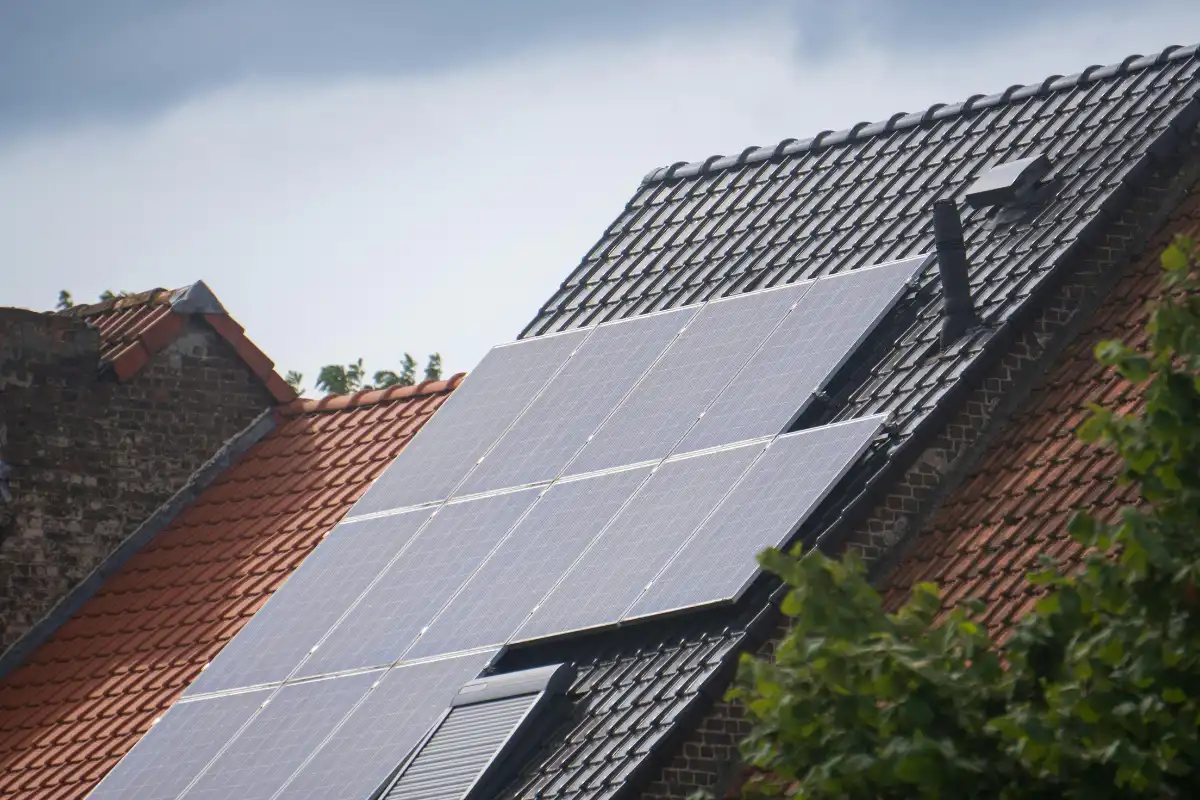
Solar panels are built to withstand harsh outdoor conditions and to produce electricity for 20 years or more. But that doesn't mean they are indestructible. Cracked solar panels, though rare, can disrupt the operation of the entire solar system.
How common is solar panel damage?
How often panels crack depends on several factors: panel quality, installation quality, location, and system maintenance. Systems in places where hail is frequent, or where panels are exposed to heavy snow and wind loads, have a higher chance of suffering damage.
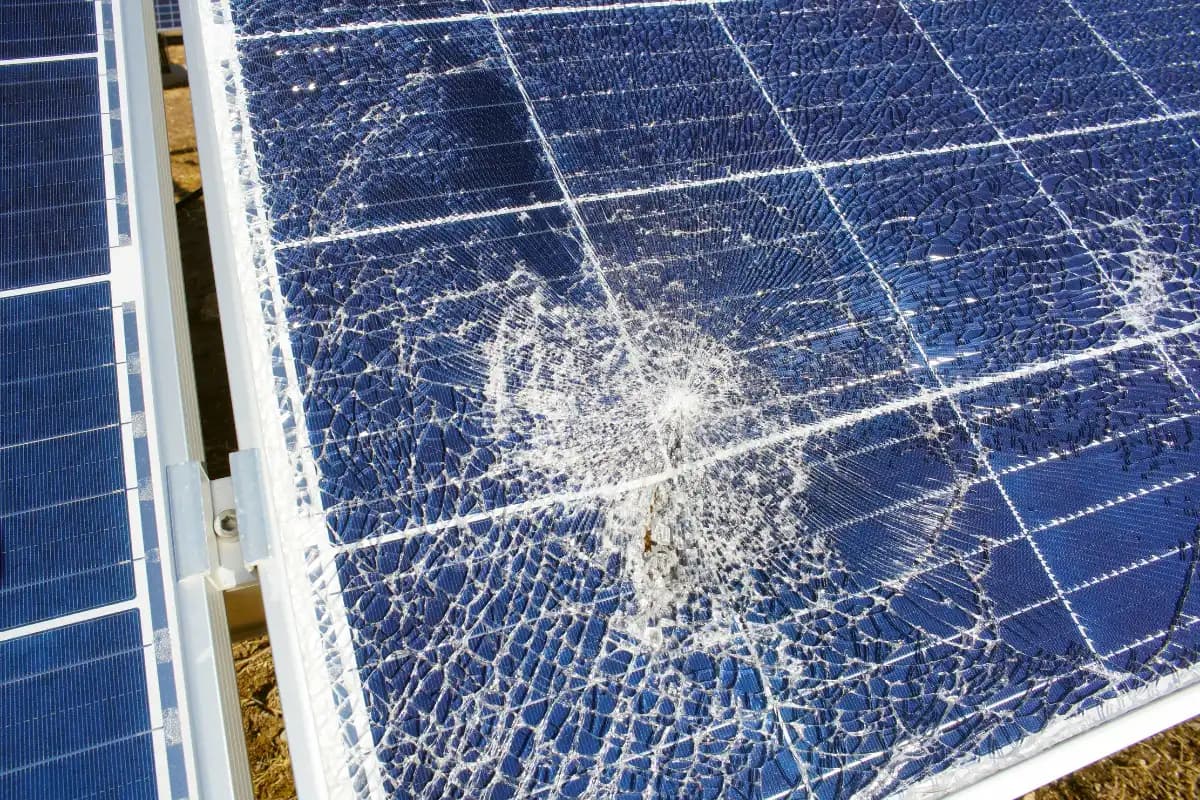
The most common issues are minor problems in the form of microcracks, which are barely visible to the naked eye. Visible glass cracks are rare and usually happen with severe hail, mishandling, or improper installation.
What are the most common causes of solar panel cracking?
- Direct impacts: Hail, small stones, or heavy branches are a frequent cause. The resulting crack may not be immediately visible, but it can affect the panel's performance over time.
- Thermal shock: Sudden temperature changes cause materials to expand and contract, which can lead to cracking.
- Improper installation: The panel may be subjected to constant pressure, which later results in damage.
- Strong wind and structural vibrations: A problem arises if the mounting structure is not rigid enough.
- Snow and overload: Heavy accumulations of snow and ice can put significant pressure on the panel surface.
- Factory defects or transport damage: The problem can be in the manufacturing itself, or caused by careless handling.
Can a cracked solar panel still work?
Whether a panel can keep working depends on the type and extent of the damage.
Surface cracks on the panel
If it's a surface crack on the glass without damage to the solar cells, the panel can keep working. In these cases there is often no visible drop in output, at least not initially.
It is important to know that this kind of damage is not harmless: the crack can spread over time, especially under temperature changes and mechanical stress.
Cracks that reach the solar cells
If the crack reaches the solar cells themselves, the panel can still generate energy, but at reduced efficiency. Beyond the power loss, there is also an increased risk of:
- the damage spreading further
- moisture entering the panel
- localised overheating
These problems accelerate panel degradation and can negatively impact the entire solar system.
Severe, visible panel damage
If serious damage occurs, broken glass, exposed solar cells, or moisture inside the panel, that panel should not be used. Efficiency drops sharply and the safety risk becomes serious.
What are the risks of using a damaged solar panel?
A damaged solar panel can look harmless because it often keeps producing electricity. However, the fact that a panel still works does not mean it is safe or reliable in the long run.
Possible risks and failures:
-
Moisture ingress and corrosion of internal components: Once the protective surface cracks, moisture gradually penetrates the inside of the panel. Over time this leads to corrosion of metal parts and the deterioration of joints between solar cells, declining efficiency, unstable operation, and eventually permanent failure.
-
Localised overheating and fire risk: A damaged panel, particularly one with microcracks on the cells, can overheat. This can melt insulation, connectors or cables, increasing the risk of more serious failures and even fire.
-
Additional load on the rest of the system and a drop in overall efficiency: When a single damaged panel produces less energy or runs unstably, it can affect the production of other panels in the same string, leading to a drop in output and greater losses.
Does a damaged solar panel need to be replaced immediately?
Replacement is recommended even for minor cracks. A solar panel is an investment designed to operate for 25+ years in outdoor conditions. Even though a panel may temporarily keep working, any damage is a potential risk to the long-term reliability and safety of the system.
Can a solar panel be patched or glued?
Patching or gluing a damaged solar panel is not a good solution. Various adhesives, resins and silicones:
- Cannot match the original mechanical strength of the panel
- Do not provide permanent protection against moisture
- Often void the manufacturer's warranty
- Increase the safety risk
A temporary repair only creates a false sense of security. The problem will most likely keep spreading until you eventually have to replace the panel anyway.
Does a cracked panel have to be replaced, and is that the only solution?
Yes. Regardless of the type and size of the damage, complete safety can only be achieved by replacing the panel.
A solar panel is part of a system in which current operates under voltage and load every day. Even a small crack can lead to moisture ingress, overheating, a drop in output, or a failure that can endanger the inverter and the rest of the system.
These problems often don't start right away, they grow gradually and culminate when you least expect them. By that point the damage is already serious, and the costs can be greater than if you had simply replaced the panel.
Replacement is the only long-term, safe solution that ensures reliable system operation throughout its entire service life.
Is it safe to use a cracked solar panel?
A solar panel can keep working if it cracks, but that doesn't mean it should be used. The type and extent of the damage play a key role, but even the smallest cracks can lead to serious problems over time.
If you want a long-lasting, safe and efficient solar system, timely replacement of a damaged panel is always the best decision.