Solar energy is no longer a novelty, it is reality and increasingly common practice with each passing day. More and more households in Serbia are installing solar panels or considering doing so, as awareness grows about how usable the sun's power really is.
Despite that, misconceptions and incorrect information about solar panels still circulate widely, and they often confuse people and discourage them from taking that first step.
Below, we dispel the most common myths about solar panels. Find out whether they really work in winter or when it's cloudy, whether they damage the roof, and much more, the reality is often very different from the version that gets passed around by word of mouth.
Solar panels only work when the sun is shining, myth #1
One of the most widespread myths is that solar systems work only when the sky is completely clear. You have certainly heard this claim at least once if you have considered installing a system.
The reality, however, is a little different. Panels produce electricity in cloudy weather too, because they use diffuse light, sun rays that pass through clouds and reflect within the atmosphere.
Of course, production is lower than on summer days, but the system is still actively working. Serbia has more than 2,000 sunny hours a year, which means conditions for using solar energy are excellent even in months with changeable weather.
Keep this important point in mind: modern panels are sensitive enough to capture even minimal light, so there is no reason to worry that cloudy weather will "shut down" your system.
Solar panels don't work in winter, myth #2
A common misconception is that solar panels go dormant during winter months. The truth is that low temperatures actually improve their efficiency, because electronic components perform better in the cold, so energy losses are reduced.
In winter, production is lower simply because the days are shorter and the sun is lower on the horizon, but the system keeps running continuously.
If snow is your concern, the truth is that it usually doesn't sit on the panels for long, because the panel surface is smooth and snow melts and slides off, they are installed at an angle that allows snow to slip away easily. Even in situations where part of the panel is temporarily covered, the area that remains exposed continues to produce energy.
To be clear: the arrival of winter, snow, and the colder part of the year does not mean that solar panels stop working, it just means daily production is somewhat lower at this time of year.
Solar panels are too expensive and don't pay off, myth #3
Many people still believe that installing solar panels is expensive and not worth it. The reality is that the technology has advanced significantly in the past ten years, and prices have dropped by more than 50%.
On top of that, state subsidies and favourable loans are available in Serbia to help with installing solar panels. An average household can recoup its investment in 6 to 8 years, while the panels last 25 years or more.
That means that for more than two decades you essentially use free energy from the sun. Investing in a solar system today is not a luxury, it is a smart way to cut bills and increase the value of your home.
Solar panels require complex maintenance, myth #4
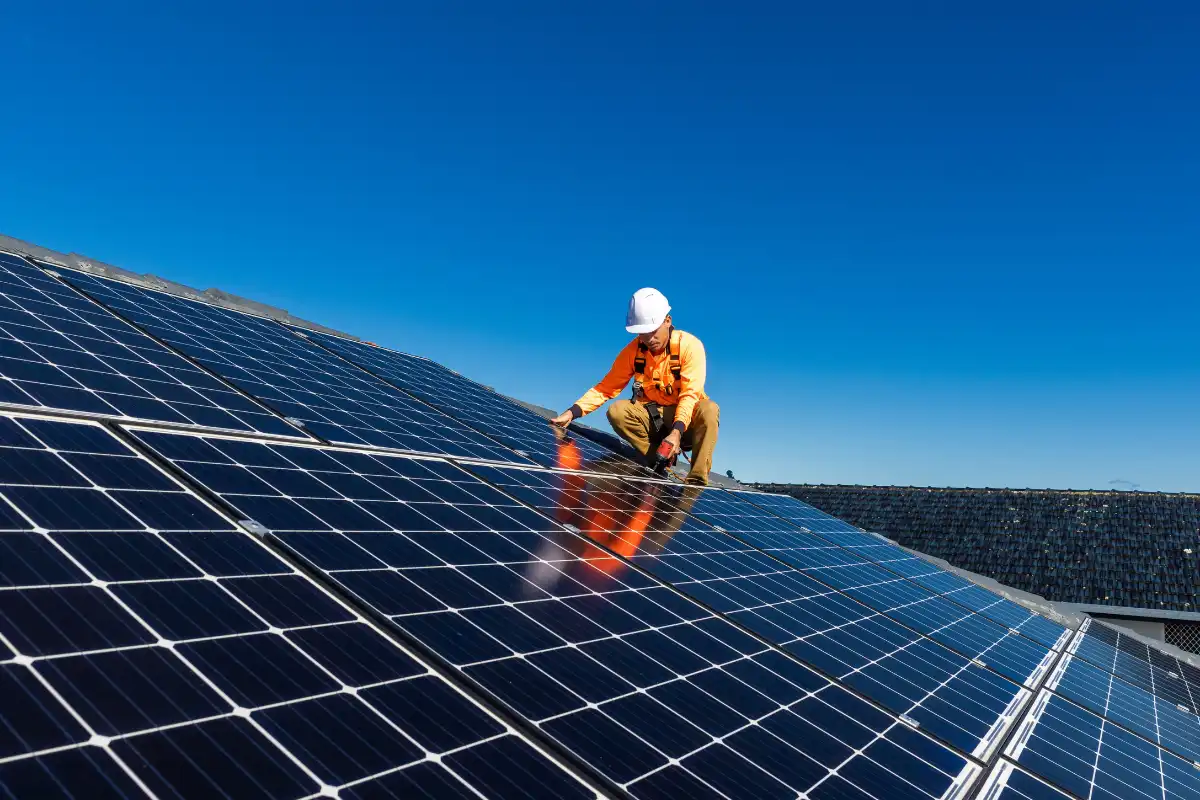
Another common myth is that solar systems demand constant attention and technical upkeep. In practice, only occasional cleaning is needed, ideally two to four times a year, plus an annual inspection by a solar-panel specialist. As you'll admit, that is not a constant worry or something to give you a headache.
A professional will check the connections, the mounts and the inverter, with no complicated interventions. Precisely because they are built from durable materials and quality installations, modern panels can retain over 90% of their efficiency even after 20 years.
Compared to most household appliances, a solar system is far simpler and more reliable to maintain.
Solar panels damage the roof, myth #5
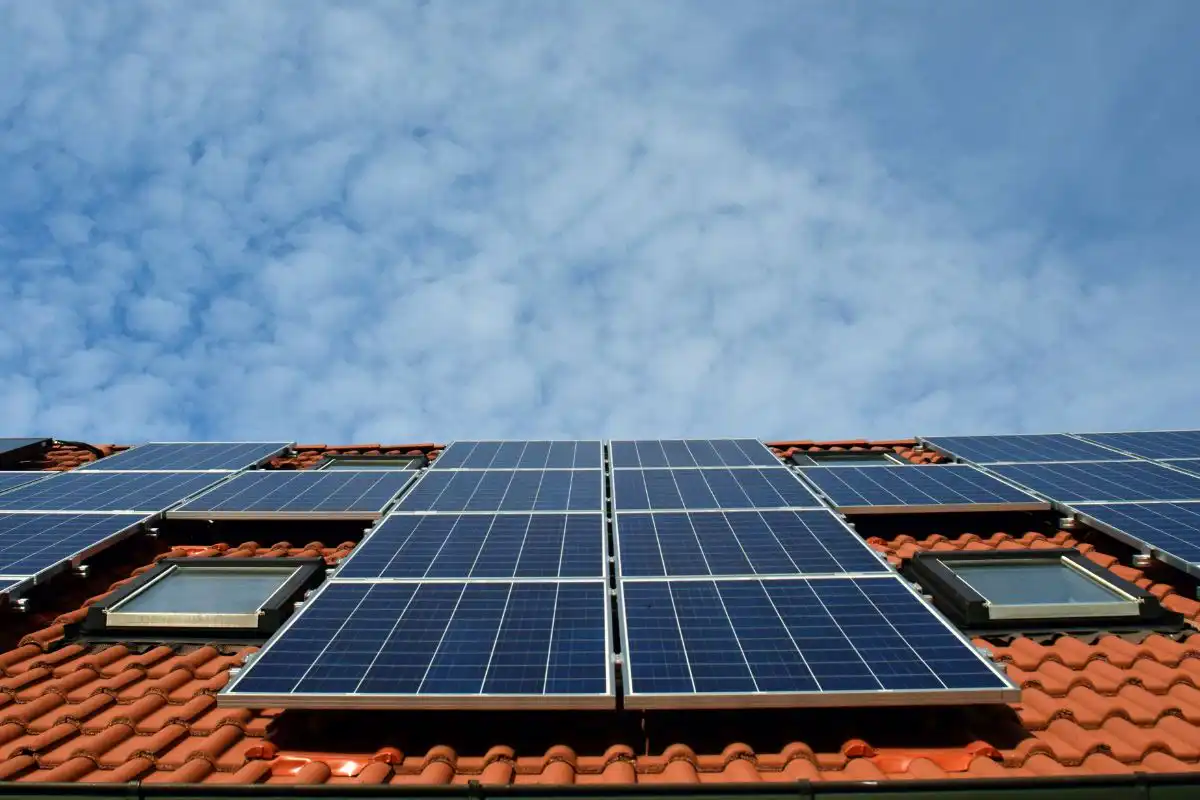
It is often said that panels damage the roof or disrupt the look of a building. In reality, when installed by professionals, solar panels are mounted on special aluminium brackets that do not compromise the structure or the waterproofing of the roof.
Quite the opposite, panels provide additional protection against precipitation, UV radiation, and temperature swings. As for aesthetics, today's panels have a modern, elegant look, and any roof with panels appears more upmarket while increasing the property's value.
There are also solutions where the panels are integrated into the roof structure itself, or into a canopy, contributing further to a contemporary design.
Serbia doesn't have enough sun for solar panels, myth #6
One of the most common myths is that our country doesn't have enough sunny days for solar panels to be worth it.
Serbia has between 1,400 and 2,200 sunny hours per year, which is more than in Germany or Austria, countries that have been successfully using solar energy for decades.
In the south and southeast of the country, especially around Vranje, Niš, Zaječar and the surrounding areas, annual solar energy production can be up to 20% higher than the central European average.
That means that across most of Serbia, installing solar panels is fully justified and economically profitable. In other words, Serbia is a land of sun, it just needs to be used in the best possible way.
As you can see, the biggest obstacle to the development of solar energy is not clouds or costs, but various pieces of misinformation. The truth is that solar panels work even in cloudy and cold weather, that they are exceptionally durable, and that under today's conditions they pay off more than ever.
Getting information from reliable sources and working with expert teams is the key to any good decision.
Solar energy is not the future, it is the present. Once you install the panels, the system will run on its own for decades.