When we think of solar panels, we picture the finished result, panels already installed and configured. In reality, however, a solar system installation begins much earlier, with the analysis of the roof and several other factors.
The roof is the foundation on which everything rests. If it is not stable, properly oriented, and free of shading, no system can reach its full efficiency, no matter how high its quality. That is why thorough roof preparation is the first and most important phase of any solar installation.
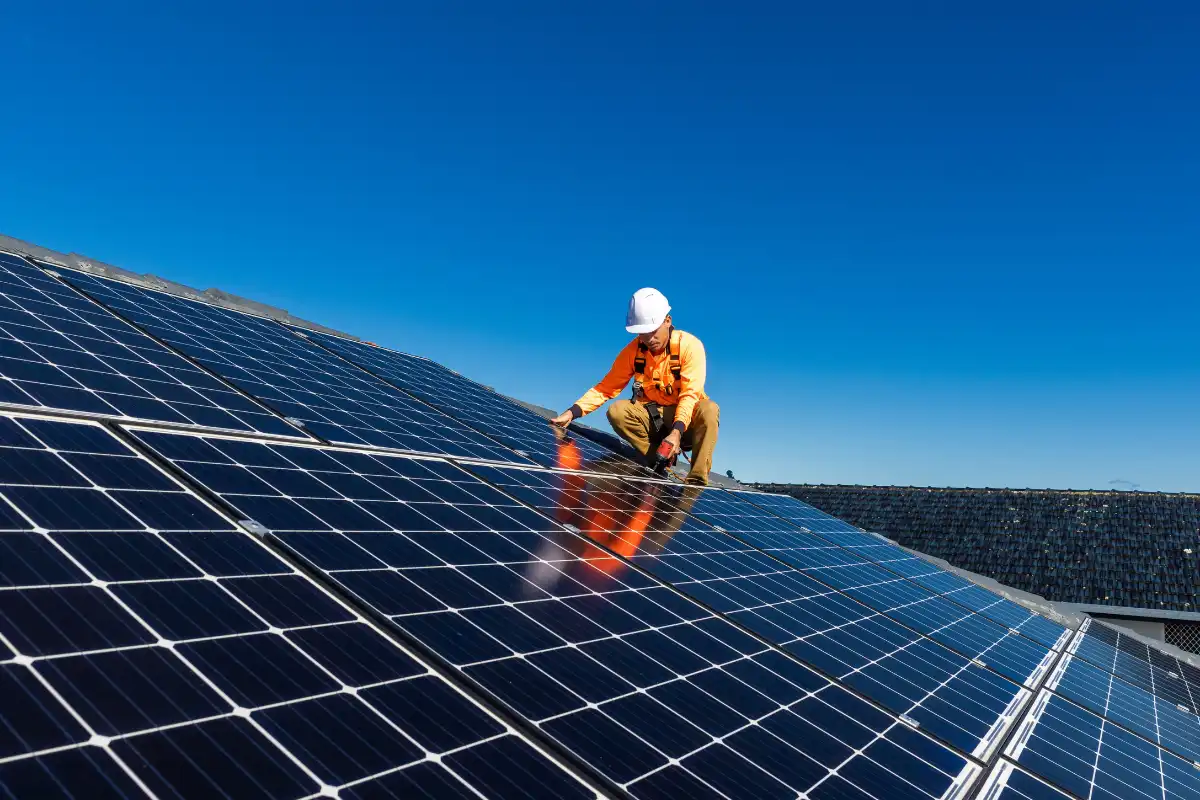
When a professional team comes on site, they assess several key factors: the load-bearing capacity of the structure, the orientation and tilt of the surface, the amount of shading, and the roof covering.
It is precisely these parameters that determine how much energy the panels will produce, and how long they will operate without the need for additional intervention. Stick with us to the end to learn how panels are installed so they reach their full electricity-generation capacity.
Roof structure for installing solar panels
Whether the building is new or old, the first step is checking the structural calculations. "Solar panels, with the mounting structure and cables, add an extra load of 15 to 25 kilograms per square metre", and the roof must be designed to carry the panels even on snowy or windy days.
For older houses or roofs with wooden beams, a load-bearing assessment is mandatory, and additional reinforcement is added if needed.
A structural analysis of the roof is very important, and solar installation specialists treat it as the first item to address. It is the initial intervention that prevents later deformation and leaks, ensuring the safety of both people and equipment.
Orientation and tilt for installing panels
For a solar power system to deliver the best results, the roof must face the sun at the right angle. In Serbian conditions, experience shows that the best production comes from south-facing roofs at a tilt of 25 to 35 degrees. If the roof faces southeast or southwest, the difference in efficiency usually does not exceed ten percent, and the system still performs excellently.
If you have a flat roof, that is not a problem. On flat roofs the issue is simply solved with an aluminium structure that tilts the panels at the ideal angle.
So, when the orientation is correctly chosen, every sun ray is used to the maximum and the annual electricity production reaches its peak.
Shading and its effect on panel performance
You feel like you've ticked every box, but production still isn't optimal? Maybe shading is the issue. "Even a small shadow can seriously reduce electricity production" when it comes to solar panels.
Chimneys, trees, air-conditioning units, even tall fences can occasionally cast a shadow on part of the roof, and panels in a string then lose power. That is why a sunlight analysis is always carried out across all seasons before installation.
Specialists use software that tracks the sun's movement throughout the day and predicts potential shadows in winter and summer. If it turns out shading cannot be fully avoided, optimisers or microinverters can be installed, devices that allow each panel to operate independently, so the system does not lose energy because of a single shaded module.
The type of roof covering and its significance for the panels
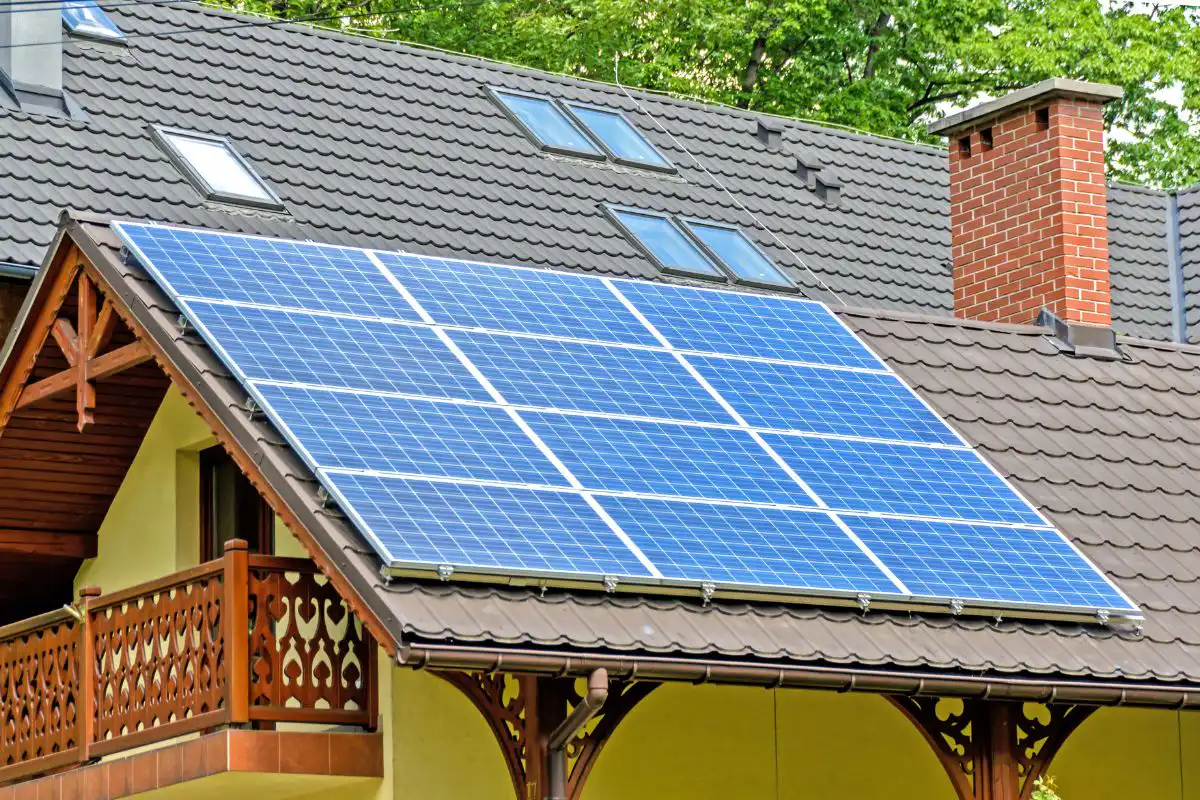
The type of roof determines the installation method. Roofs covered with clay or concrete tiles, the most common in Serbia, are well suited to solar systems.
Panels are installed using special hooks that do not compromise the waterproofing. Metal roofs, on the other hand, require additional rubber washers and careful sealing, but they are very stable and lightweight.
For flat concrete roofs, panels are installed on a structure with concrete blocks serving as ballast, while shingle roofs require additional protection against moisture and thermal changes.
That is why we recommend inspecting the roof before installation, replacing damaged tiles or metal sheets, and checking the gutters. All repairs should be done before installing the solar panels to avoid additional construction work later.
Additional preparation and installation planning
Before installing solar panels, plan every step properly. On top of that, take practical things into account, the roof should be dry and well sealed, access safe, and all planned construction work completed.
If you are planning to replace the roof or add new thermal insulation, it is best to do so before installing the solar panels. Also bear in mind that the panels partly protect the roof from UV radiation and precipitation, so a properly installed system can actually extend its lifespan.
Solar panels are an excellent long-term investment. However, their efficiency significantly depends on the surface on which they are installed.
When the structure and the covering are stable, the roof faces south and is free of shading, the panels can operate at full capacity and produce energy for decades.
Working with an expert team that checks structural calculations, orientation, and all the technical details, you get a system that not only produces energy but also protects your home.
A well-prepared roof is a guarantee of longevity and stability. It is the first step toward the energy independence you'll enjoy, and the savings you'll see over the long run.