The arrival of winter, snow, ice and strong wind, is a real challenge, especially if you own solar panels and live in locations where a "proper winter" really lasts for several months.
Quality solar panels are designed to withstand extreme weather, but proper preparation and preventive checks can do a lot to keep the system running at maximum efficiency throughout the season.
That is why it is important to know how to protect the panels, maintain the mounting structure, and preserve the stability of the system without unnecessary risks or wrong interventions that could damage the equipment.
How does snow affect solar panels, and how do you remove it safely?
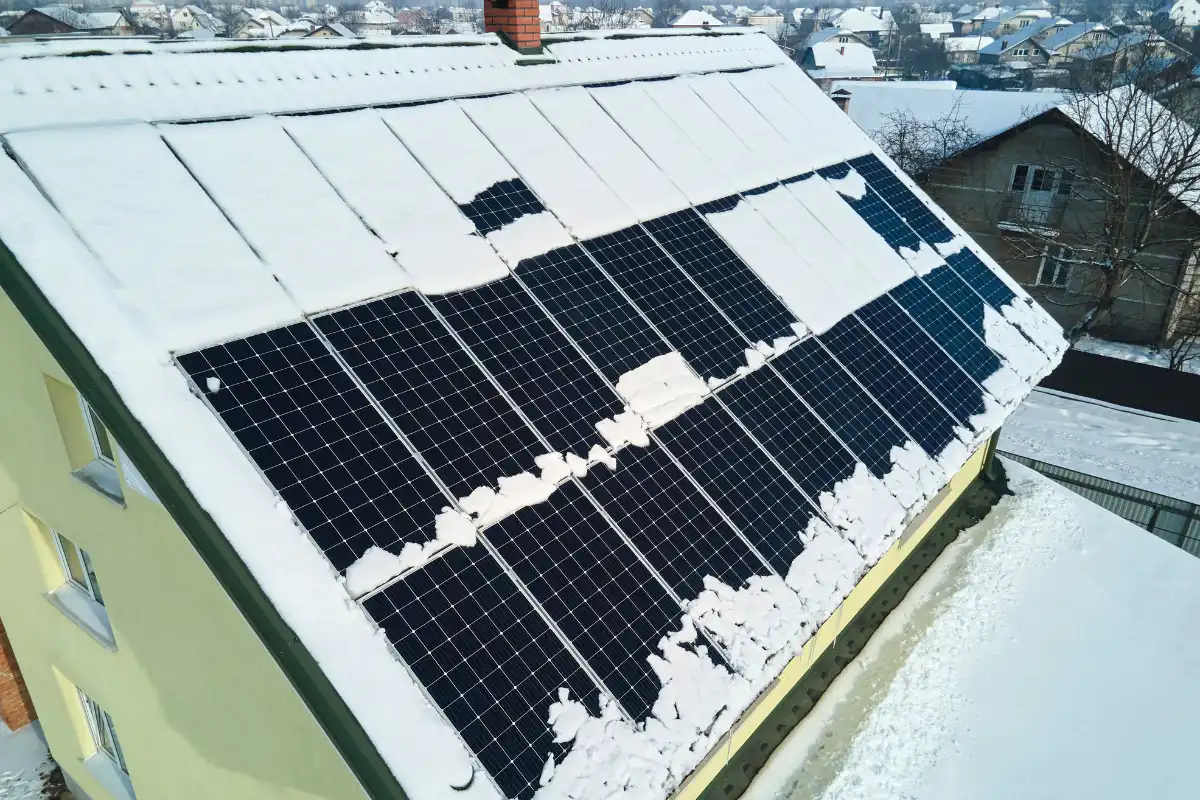
Snow itself does not damage solar panels, but it can block light absorption and temporarily reduce production.
The amount of snow that affects system performance depends on the panel's tilt and orientation. On correctly installed systems, snow usually melts and slides off on its own as soon as the surface warms up slightly.
If you still want to clear the snow, it is important not to use hard objects, shovels or brooms, they will damage the panels. In the rare cases when removal really is necessary, telescopic brushes with soft bristles are recommended, and you should never apply pressure to the panel.
In most cases, natural melting and the panel tilt will do the job, and there is no need for manual intervention.
How do you protect solar panels from ice?
Ice is a common problem during periods of sudden freezing after snowfall.
Although solar panels can withstand the formation of a thin layer of ice, the problem arises when ice remains for longer or forms thicker deposits that prevent snow from sliding off the panels.
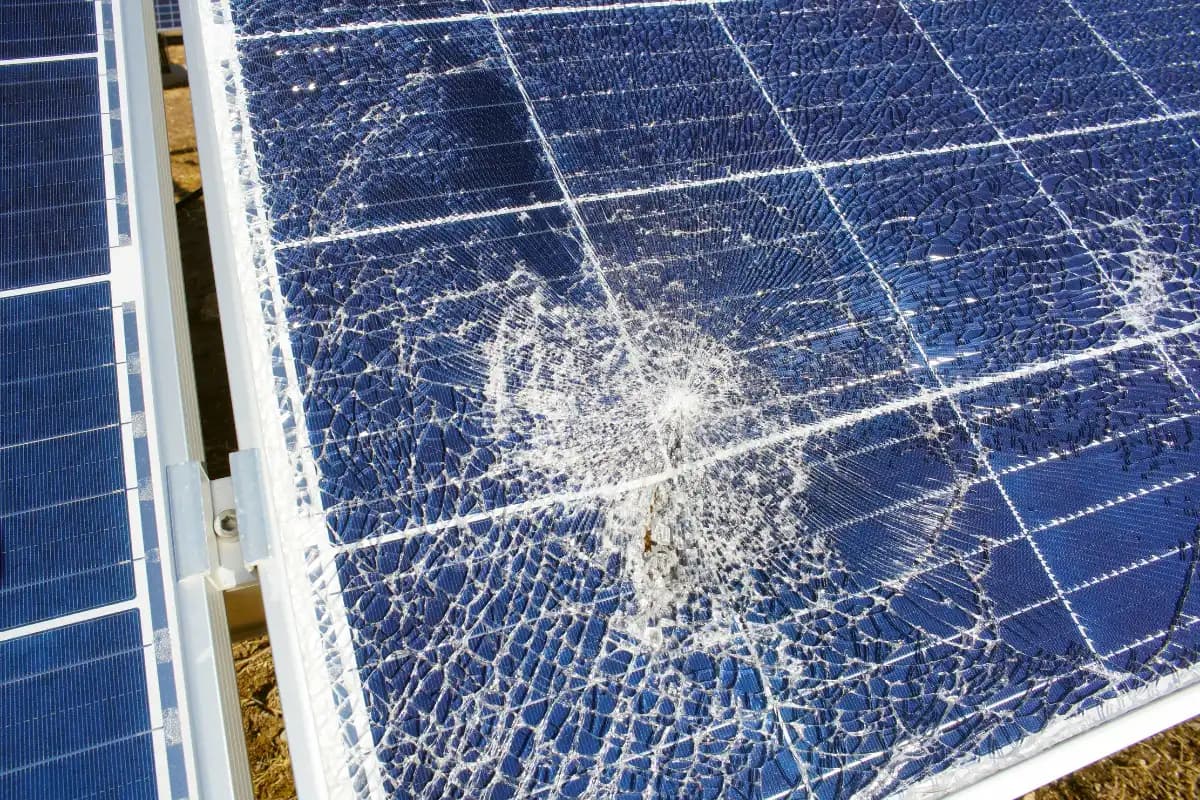
However, as with snow, caution is essential. Ice must never be broken or scraped off by hand. That almost always damages the protective glass and the aluminium frame.
The safest approach is to let the ice melt naturally with minimal intervention. The panels, thanks to their dark surface, absorb heat and encourage melting even in weak sunlight. The ice will gradually melt on its own, which is the safest option.
Strong wind, panel protection and impact on the structure
Wind can be a major issue and a real stress test for panel structures in locations where it is particularly intense.
Solar panels and their mounting structures are designed to withstand exceptionally strong winds, but only if the installation has been done correctly and is regularly checked. Winter storms can cause vibrations, load on the joints, and the shifting of mounts, especially on older rooftop installations.
It is recommended to check the solar system before winter begins:
- the stability of the mounts
- the tightness of bolts and connecting elements
- any signs of shifting, corrosion, or distortion of the structure
If you notice even the smallest deviations, the best approach is to engage professional technicians who will carry out a detailed inspection and reinforce the structure further if needed.
How do you prevent excessive load on the panels?
Snow and ice add weight that is not an issue for quality systems, but prolonged loads can negatively affect the structure. The best prevention is the correct panel tilt.
Panels at a steeper tilt shed snow faster, while panels at a shallower tilt take longer to clear naturally.
On flat roofs in particular, it is important that the structure is installed in a way that allows optimal water and snow runoff, without accumulation along the edges of the modules.
Are additional protective solutions necessary, or harmful?
Owners often ask about covers, protective films, or improvised barriers to give the panels extra protection during winter.
However, such additions are almost always counterproductive. They obstruct panel ventilation, trap moisture, create condensation, and can cause microcracks.
The best protection is a professionally installed, certified system that is already designed to withstand the harshest climatic conditions.
How do you maintain optimal energy production during winter?
For a solar system to operate efficiently during winter months, good preparation and regular checks are essential.
A clean panel surface, a stable structure, a working inverter and an inspection of the cables will further contribute to stable energy production. The monitoring app also plays an important role, as it allows the user to quickly spot drops in production, operating errors, or performance anomalies.
In winter conditions, even a small drop in efficiency can lead to a significant difference in total monthly production.
Winter conditions are not a problem for a well-designed and professionally installed system. With the right approach, your solar panels will operate safely throughout the year and deliver reliable savings, even in the coldest months.