How, and in what way, to save electricity is a question that has become more and more relevant in recent years.
We're witnessing how electricity consumption is unstable, production is uncertain, and prices keep climbing. On top of that, nobody knows what awaits us in the period ahead.
Besides the drastic rise in the price of electricity, we mustn't forget the growing environmental pressure either.
When you take all of that into account, solar panels practically impose themselves as one of the most efficient solutions, because they enable long-term savings together with energy independence.
To clear up all the doubts associated with solar panels, read on to find out exactly how they work and how much we can really save by using them.
You'll learn how solar panels can reduce your electricity bills, how you can save even more in the household with them, and what steps to take if you decide to switch to solar energy.
How to save electricity?
Saving electricity is an inexhaustible source of various ideas and rearranging chores in the household. From washing clothes during night hours, switching off devices, using energy-saving bulbs, cooking meals for several days at a time… and yet it seems like, in the end, the savings still aren't what we expected.
We often hear that saving doesn't depend just on technology but also on daily habits.
Small changes that can make big shifts and lead to a difference in consumption are:
-
Replacing ordinary bulbs with LED lighting.
-
Unplugging devices when you're not using them, because even in "standby" mode they consume energy.
-
Using the washing machine or dishwasher during the cheaper tariff (at night, on weekends).
-
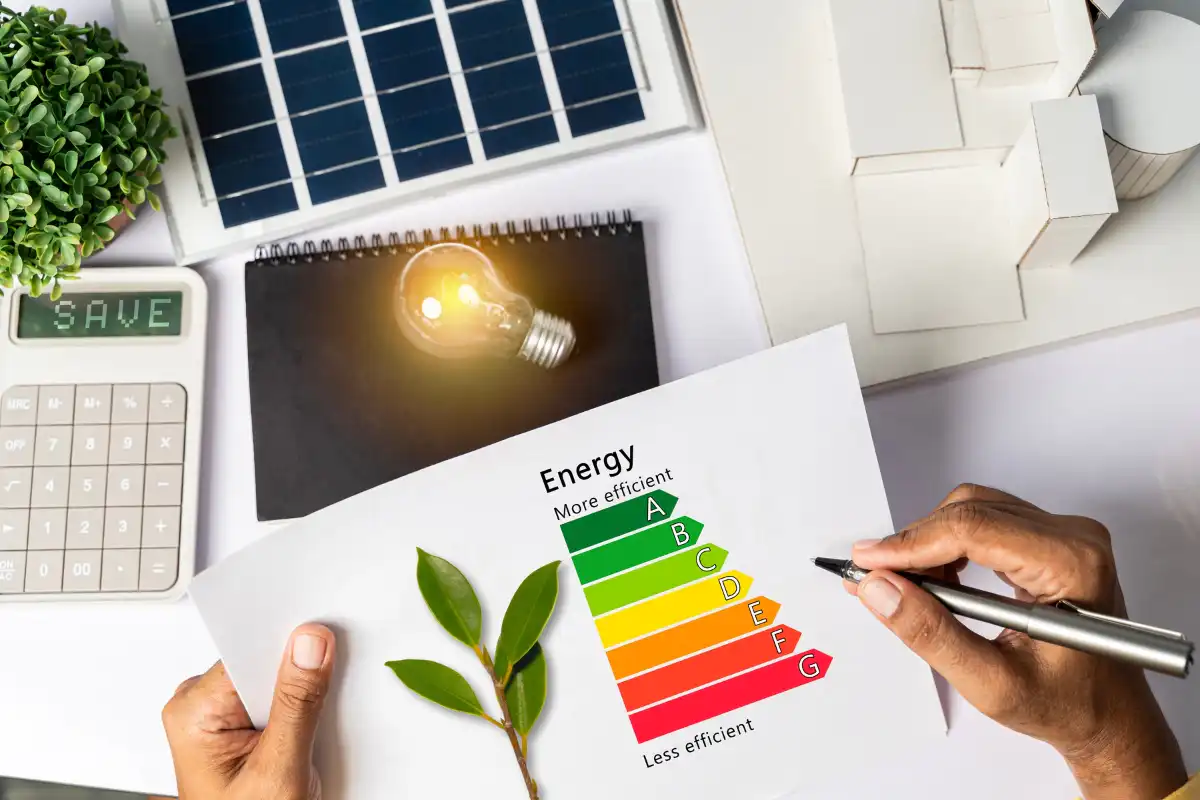
Buying energy-efficient appliances (A+ rating or higher).
-
Using smart plugs and timers.
Still, the biggest progress comes if you combine all these tips with solar panels. The efficiency and savings on electricity can then be up to 50% greater.
How to save on heating?
Heating is the item we spend the most electricity on, especially during winter months.
Saving on heating costs can be achieved by following simple tips like:
-
Using solar collectors for water heating, which can significantly reduce electricity or gas consumption.
-
Installing thermostats and programmable devices for temperature control.
-
Improving the insulation of walls, roofs, and windows so that heat is retained longer; avoid frequent window opening and practice ventilation in shorter intervals during the morning.
-
Combining solar panels with underfloor heating systems or heat pumps to achieve maximum efficiency.
When it comes to installing solar panels and combining some of these habits, in practice it has been shown that savings on heating with solar solutions can amount to up to 30% per year.
How to save electricity at home?
Beyond heating and lighting, significant electricity consumers in a household are air conditioners, refrigerators and freezers, electric water heaters, computers, and televisions.
The main rule here too is to use appliances smartly and arrange their use properly, in order to significantly influence savings.
Some habits you should apply to save electricity at home:
-
Don't open the fridge frequently and don't put hot food inside.
-
Regularly clean the filters on the AC and pay attention to the temperature in the room.
-
Reduce the temperature on the water heater from 75°C to 60°C, the difference in consumption is large.
How do solar panels work?
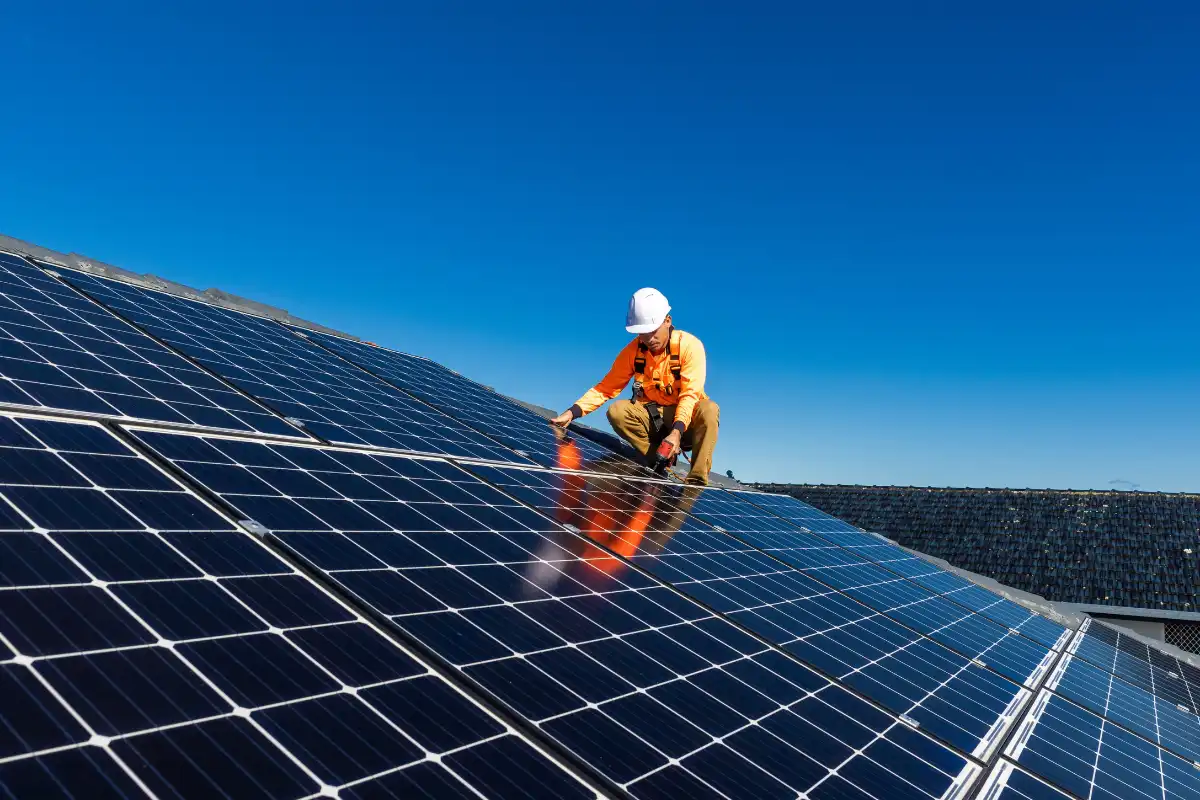
Solar panels have become increasingly popular recently, for several reasons. They work by using the sun's energy and converting it into electricity through photovoltaic cells.
This energy is then sent to the inverter, which converts it into a form suitable for use in the home (alternating current).
Another positive thing is that all surplus electricity, i.e. the surplus produced energy, can be stored in batteries for later use, or sent into the electricity grid, if the system supports it.
How much can you save with solar panels?
There is no single answer to this question. The savings can vary significantly from system to system, depending on its size, the number of sunny hours at the location, and your individual needs.
Here are some examples, if we draw an average and approximate how much you can save:
-
A family that consumes around 400 to 500 kWh per month can cover up to 70 to 100% of consumption with an appropriate solar system.
-
Monthly savings can be between 5,000 and 10,000 RSD.
-
Within 5 to 7 years, the investment in installing solar panels can be paid off completely.
When you take all this into account, you arrive at the fact that afterwards, you practically have "free" electricity for the next 15 to 20 years, since the lifespan of panels is around 25 years.
No long-term gain can come without a larger investment. Although at first glance it seems like a significant cost, and you'll admit, the investment is not small, installing solar panels offers multiple benefits and significant long-term savings.
The installation itself ranges on average from €3,000 to €7,000 for a household. However, solar panels pay off in the long run through:
-
Lower monthly bills
-
Possible state subsidies
-
Increased property value
-
Reduced dependence on the distribution company
If you also take into account that solar panels will serve you for the next 25 years, you'll realise that the savings from installing them are manifold.
Legal framework and subsidies for solar panels in Serbia
In Serbia there are more and more incentives for citizens who want to invest in renewable energy, such as:
-
Subsidies for buying and installing panels (up to 50% of the costs refunded)
-
The possibility of connecting to the grid and selling surplus energy
-
Simplified administration for "producer-consumers" (prosumers)
It's important that before starting installation you check the current programmes of local self-governments and the Ministry of Energy, so you may secure some benefits during installation.
Although at first glance they look like a big investment, solar panels are not just an ecologically friendly solution, they are also a smart investment that delivers real savings over the long run.
Combined with efficient energy use in the home and smart habits, you can drastically reduce your bills and contribute to a more sustainable future.