
When the colder days arrive and we enter the heating season, the question of warming our homes comes to the forefront, along with the consequences for our health and the environment. It doesn't matter whether you heat a flat, a house, or a holiday home, whether you use district heating or burn solid fuels, what matters is that every start of the heating season also brings a higher level of air pollution.
There is, however, a way to keep our homes warm without compromising either our health or nature. The solution lies in renewable energy sources, and today, solar systems lead the way as the cleanest and most economical answer to this problem.
Stick with us to the end of this article to find out how to prevent air pollution during the heating season, and what each of us can do for the health of everyone.
Why is there pollution during the heating season?
The main reason lies in outdated heating methods, coal, wood, and heating oil. Burning these fuels releases huge quantities of harmful gases and particles, and combined with unfavourable weather conditions, those pollutants linger in the air we all breathe.
Chimneys work at full capacity, releasing PM2.5 and PM10 particles, sulphur dioxide, carbon monoxide, and a whole range of other harmful substances into the atmosphere. The result is grey skies over cities, irritation of the airways and allergies, health problems, and the sense that we are trapped in a fog we ourselves are creating.
Another factor is the price of fuels. Many households choose "cheaper" options like wood or coal, without realising that what they save on heating bills they later lose through medical costs, a shorter lifespan of household appliances and, most importantly, compromised health.
How do you prevent air pollution?
Air pollution is prevented by choosing ecological solutions and switching to fuels that do not pollute the air, do not release such quantities of harmful gases, and do not affect our health. Here is what we can do:
If we live in an apartment building:
- Using district heating or a modern boiler room (gas, pellet), because they produce fewer emissions than coal and wood.
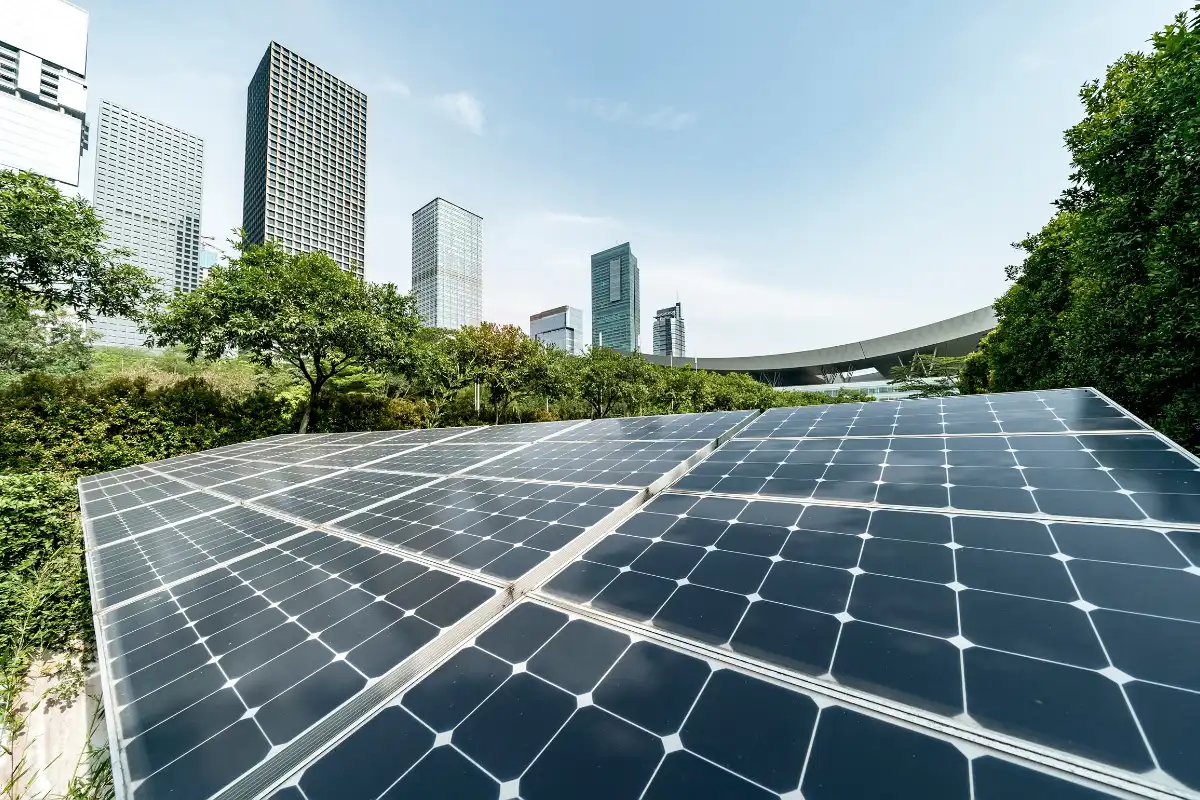
- Installing solar panels on the building's roof: more and more residential communities are switching to shared solar systems for heating water or powering common areas. Communities that aim to move to ecological solutions receive subsidies from the state and find it easier to navigate the whole procedure.
- Saving energy in the apartment: better insulation, replacing joinery, and using energy-efficient appliances reduce total consumption and the need for fossil fuels.
- Encouraging the community: propose at the residents' meeting that the building switches to cleaner forms of energy and uses available state subsidies.
If we live in a house:
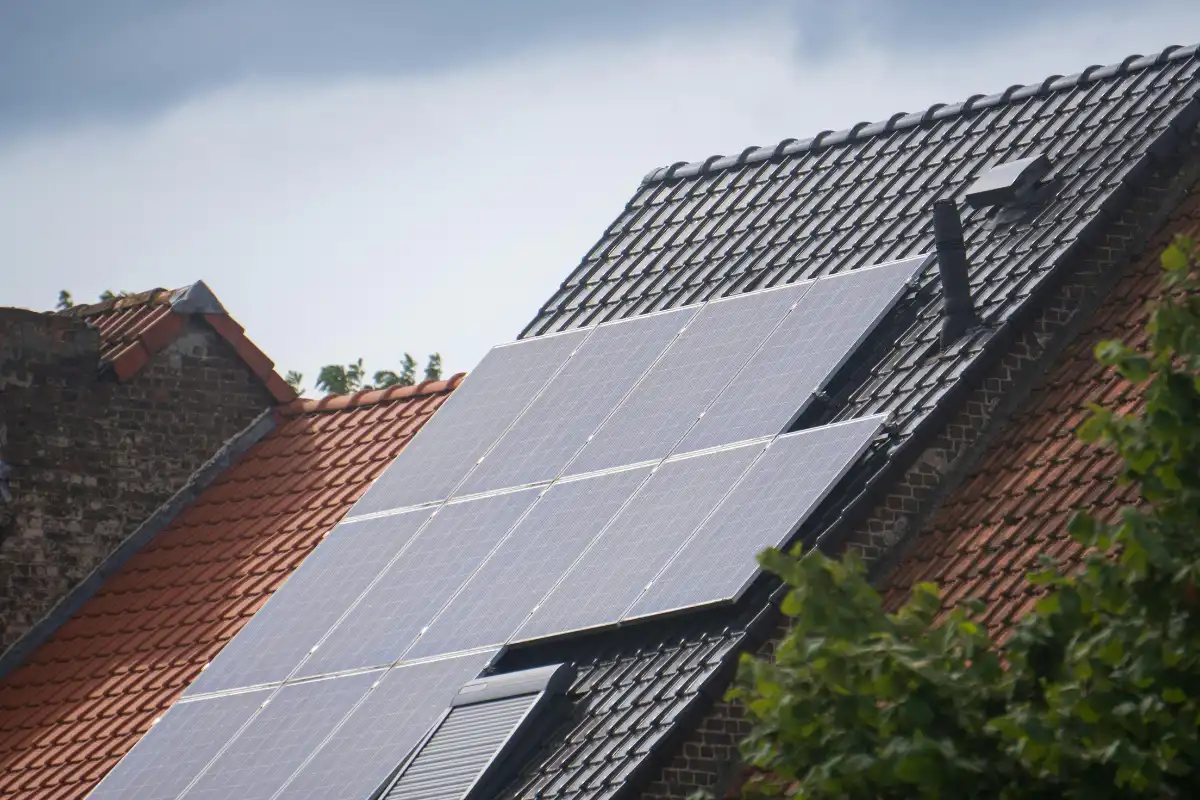
- Switching to solar systems for heating water and producing electricity, the cleanest solution, with no emissions of harmful gases.
- Combining solar panels with heat pumps or pellet stoves for maximum efficiency.
- Avoiding burning coal and wet wood: these are the biggest polluters during winter.
- Insulating the house: good insulation and quality joinery reduce the need for heating and the emissions of pollutants.
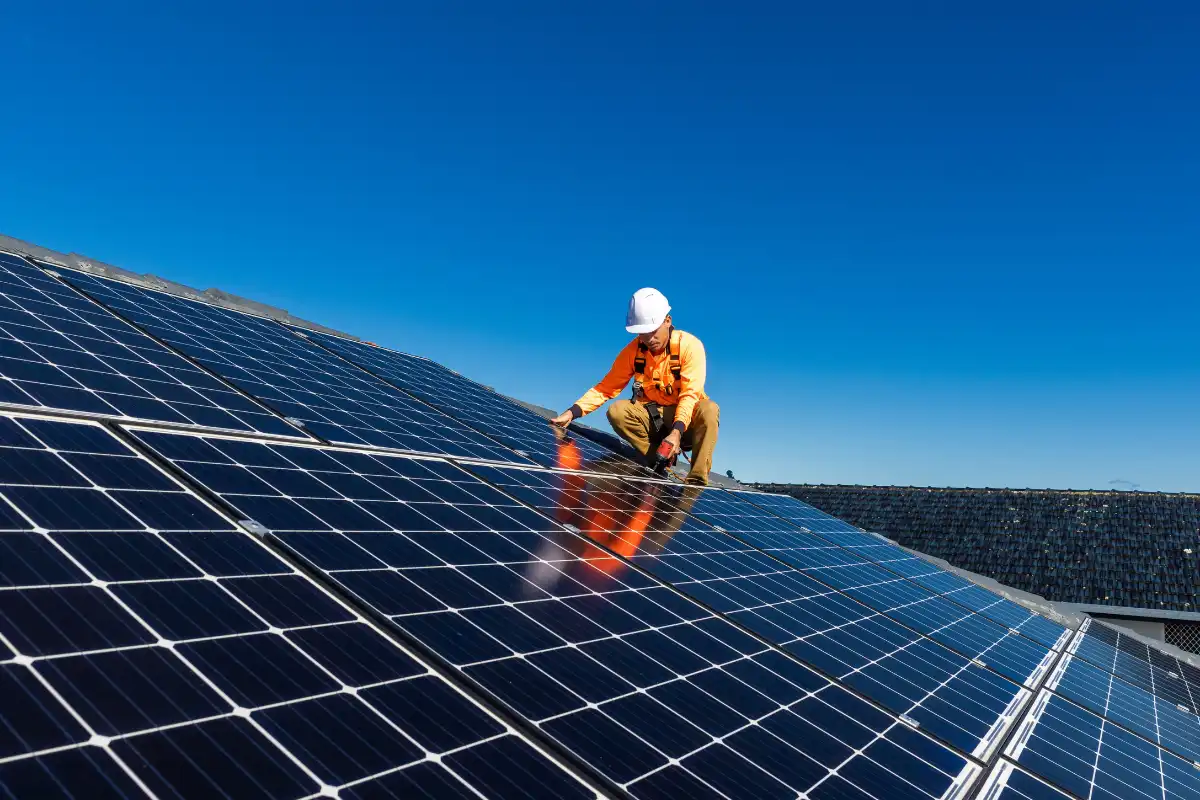
- Tracking subsidies: the state often offers financial support for switching to renewable sources, and solar installation teams provide comprehensive support to quickly handle the administration and complete the paperwork for subsidies.
So, the best way to prevent the air pollution we all depend on is to switch to solar energy. The sun's energy is free, inexhaustible, and reliable, and above all healthy for us, our children, and future generations.
How do solar systems prevent air pollution?
Completely clean energy
Solar energy comes directly from the sun, without any combustion. That means zero emissions of harmful gases and particles. By switching to solar systems, your home stops being a source of pollution and becomes part of the solution for a better, healthier future.
Less dependence on fossil fuels
Every kilowatt-hour produced by solar panels means less coal, wood or gas will be burned and release harmful substances into the air we breathe. If only some households switched to solar systems, pollution during the heating season would drop drastically.
A long-term economical solution
Although the initial investment in a solar system may seem large, the return on investment is quick, and, more importantly, consistent. Lower bills for electricity and heating, greater energy independence, and state subsidies all contribute to making solar the most cost-effective form of heating.
Combination with modern heating systems
Solar energy can be used in combination with heat pumps, underfloor heating, or water-heating systems. In this way, the home becomes energy efficient and almost self-sufficient.
Environmental and economic benefits of heating with solar energy
- For health: cleaner air means fewer respiratory illnesses, asthma, and allergies.
- For nature: reducing CO₂ emissions contributes to the fight against climate change and to preserving the local ecosystem.
- For your budget: monthly costs for heating and electricity drop significantly, and savings grow year on year.
- For the future: investing in a solar system increases the value of the property and provides a long-term, stable energy source.
The individual's impact on reducing air pollution
You probably think that as an individual you can't do much for nature, that for change to happen, you need to be part of some larger community with the same goal. That is not true. Change comes from individual opinions and awareness of the problem; every individual has a huge influence on the kind of air we breathe.
If you wonder how, concretely, you can prevent pollution, the answer is simple, change the way you heat your home. Instead of looking at grey smoke pouring from chimneys every winter and worrying about your family's health, choose clean, renewable energy. Solar systems are no longer a luxury; they are a reality accessible to every household.
By installing solar panels, you don't just save money, you become part of the solution to the pollution problem. Every decision in favour of clean energy means fewer emissions of harmful gases, cleaner air, and a healthier environment for you and your loved ones.
If you live in an apartment building, encourage others to think about their health by installing solar panels on the building's roof; if you live in a house, switch to solar systems and enjoy the knowledge that you have chosen health for your family, and savings and return on investment for your budget. Pollution during the heating season is not something we have to accept. On the contrary, right now we have a chance to turn the situation around and create a healthier environment. Solar systems offer a double benefit: they protect nature and save money.
If you want clean air, a warm house, and long-term savings, it is time to switch to solar energy.