The arrival of cold days and steadily low outdoor temperatures marks the start of the heating season, and the worry that the system might "fail" in the middle of winter.
If you own a solar system, entering the heating season means a higher energy load and fewer sunlight hours, so it is the ideal time to check whether your solar system is operating in optimal mode.
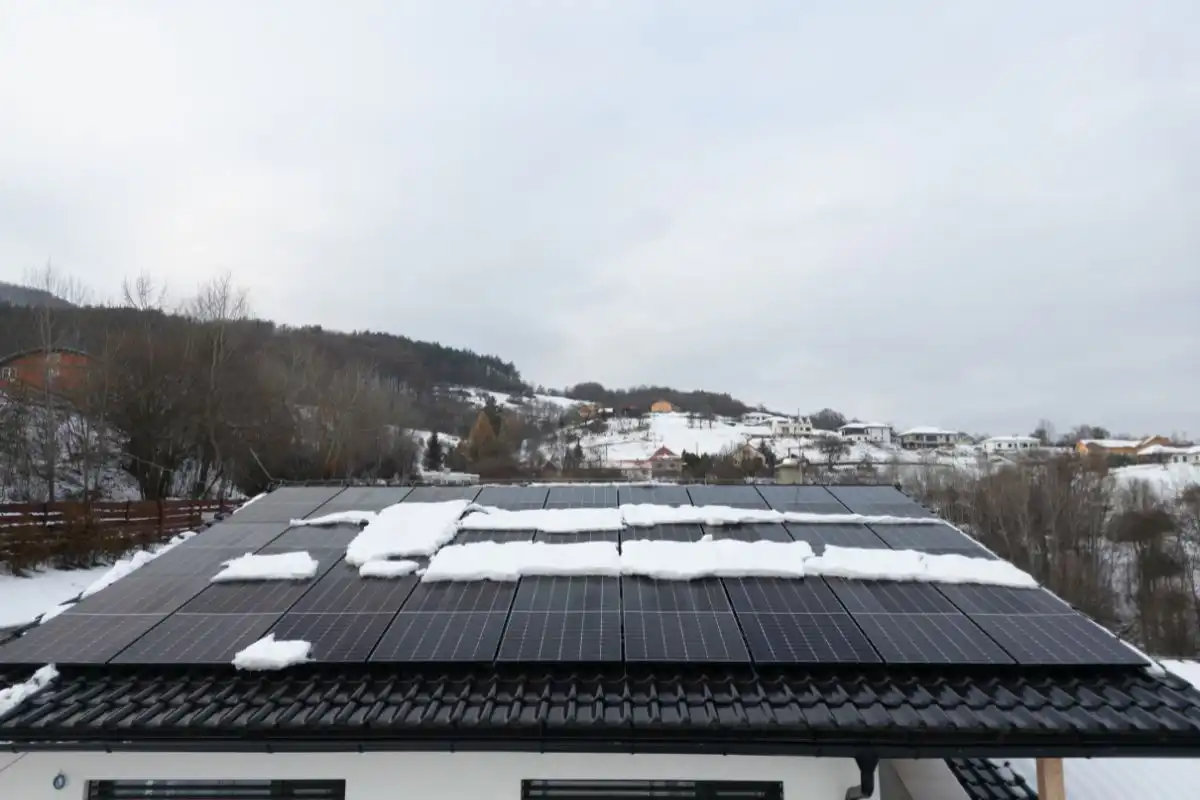
Although a solar power system produces energy throughout the year, the winter period brings specific challenges in the form of lower temperatures, snow, additional moisture, and with all of that come more cloudy days. On top of that, household energy consumption is generally higher.
Read on to learn how to properly prepare and inspect your solar system before the heating season, so it delivers maximum performance during the cold months, and so you can extend the equipment's lifespan and prevent possible failures.
Why is it important to check the solar system before the heating season?
Solar systems work in winter too, but they operate in conditions with less sunlight and often higher load due to increased household consumption.
That is why it is important to enter the season with a system that is fully ready. Once winter arrives, even the smallest defect can lead to a significant loss, and those defects can include:
- a dirty panel
- a weak cable contact
- an inverter error
- a drop in battery capacity
In addition, winter conditions increase the risk of mechanical damage. Snow, wind and low temperatures call for a stable structure and a well-configured system.
Therefore, by running regular checks before the cold period, you ensure that the solar panels operate safely, efficiently, and without unnecessary downtime, guaranteeing maximum savings during the most demanding part of the year.
The steps to take before winter begins are:
1. Visual panel inspection, the first step of good preparation
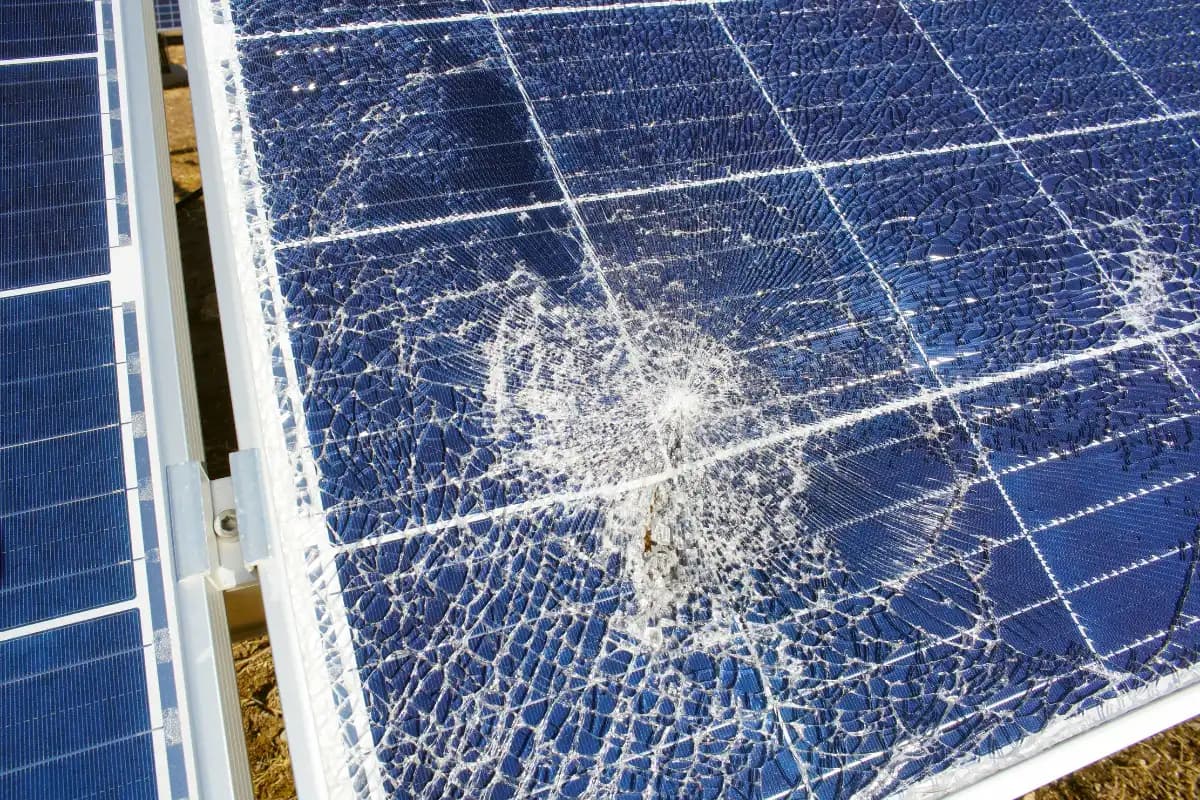
Before the heating season begins, it is important to first carry out a visual inspection of the solar panels. That means checking for any physical damage, such as cracks in the glass or bent parts of the frame, as well as for dirt, leaves or other deposits that prevent maximum light absorption.
Bear in mind that even a thin layer of dirt that at first glance looks harmless can significantly reduce production during days with weaker sunlight.
Don't hesitate to hire a team that professionally cleans and services panels. This is especially recommended if the system has been exposed for a long time to dust, pollen or weather conditions that reduce surface transparency.
Checking the mounts and the structure
Winter weather can be demanding on the system's structure. Snow and strong wind increase the load on the mounts, which is why it is important to check the stability of all connections, the condition of the aluminium structure, and any signs of corrosion.
If there is a problem with a mount or with the structure, it can cause the panels to shift or damage the roof.
The inverter, the key component of the whole system
The inverter is the central component of a solar power system, and its proper operation directly affects the amount of energy produced. Before the heating season, check whether the inverter is reporting any errors, whether it is operating in a stable mode, and whether production matches expected values.
If the inverter shows deviations, possible causes include bad connections, irregularities in the cabling, or a technical fault that should be addressed in time.
Battery condition, a detail you must not forget
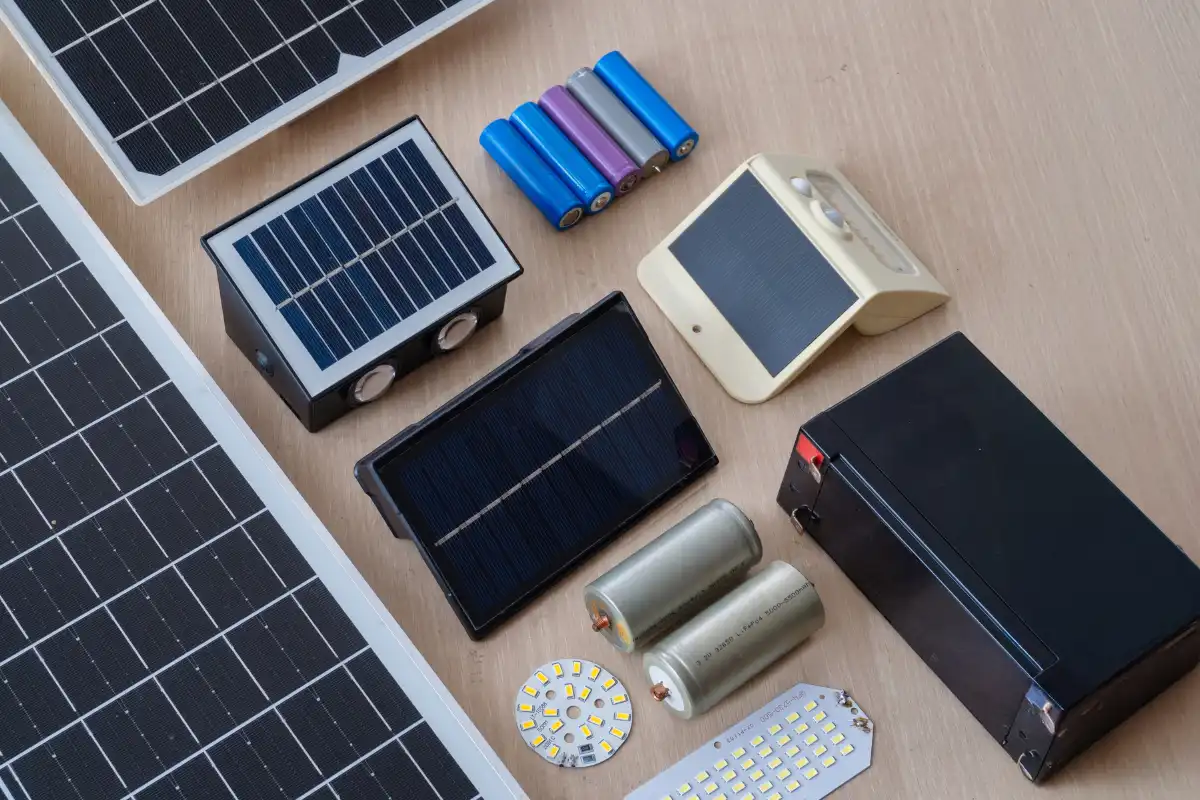
Low temperatures affect battery capacity, so checking them before winter is essential. You need to determine whether the batteries are charging properly, whether there is any drop in capacity, and whether the BMS is operating within optimal limits. If the battery shows reduced efficiency, the system will perform worse during winter and drain faster.
Checking cables, connectors and protection
Cables and connectors can loosen during summer due to heat and UV exposure, and cold weather increases the risk of cracked insulation. That is why it is useful to check all connections to ensure that breakers and the system's protection are fully functional.
This part of the installation most often causes problems precisely during the winter months, so timely inspection significantly reduces the risk of failures.
Software check, a quick way to verify performance
Modern solar systems offer detailed software reports on system operation. Before the heating season begins, it is useful to analyse production in the previous months, see whether there are any unexpected drops, and check for errors in system operation.
If there is a deviation between actual and expected production, it can indicate a problem that needs to be resolved before the cold period.
When is it time for a professional inspection?
The right moment to check the system is when you notice a drop in production, inverter errors, or unusual battery behaviour.
A professional service can detect small faults that the user can't see, and which during winter could cause bigger problems.
Preparing a solar power system for winter is the best way to ensure stable operation, maximum efficiency, and a long equipment lifespan.
Even a basic inspection of the panels, mounts, cables and inverter makes a big difference in total production during periods with fewer sunlight hours.
With timely checks and, if needed, professional diagnostics, the solar system can run smoothly throughout the season and deliver maximum savings, and you can stop worrying.