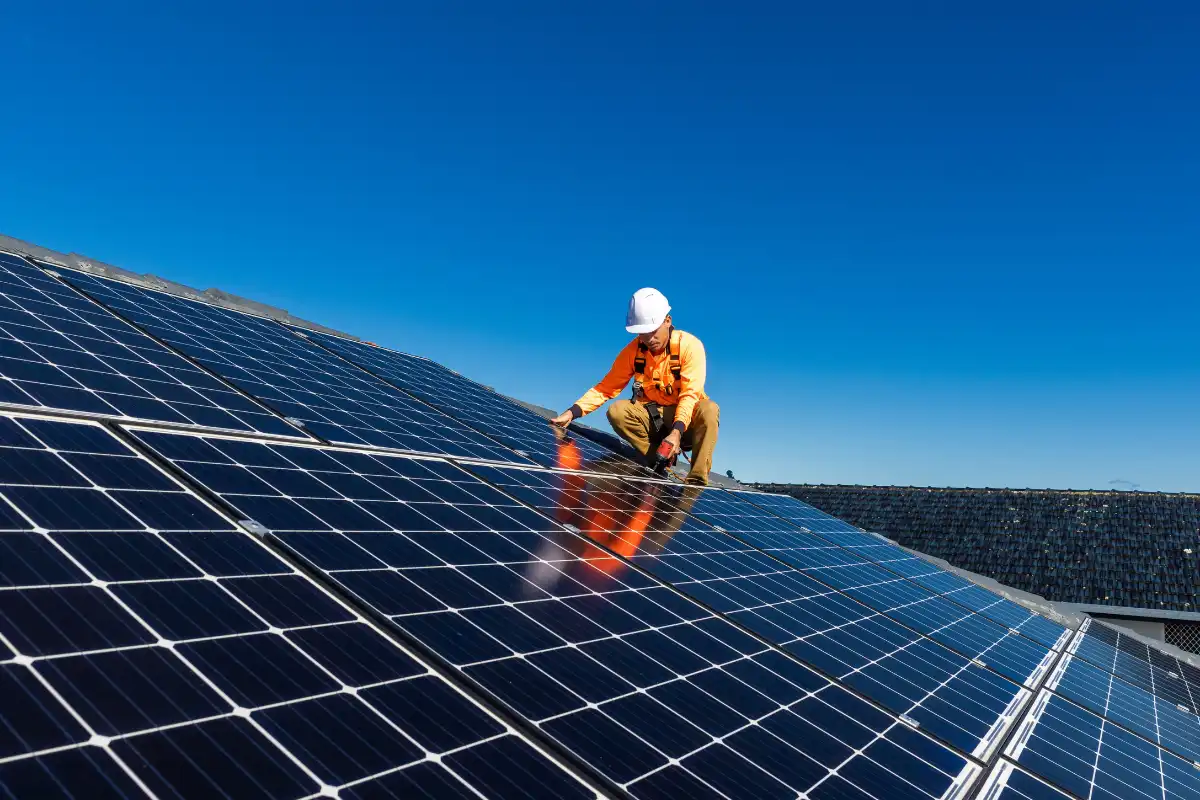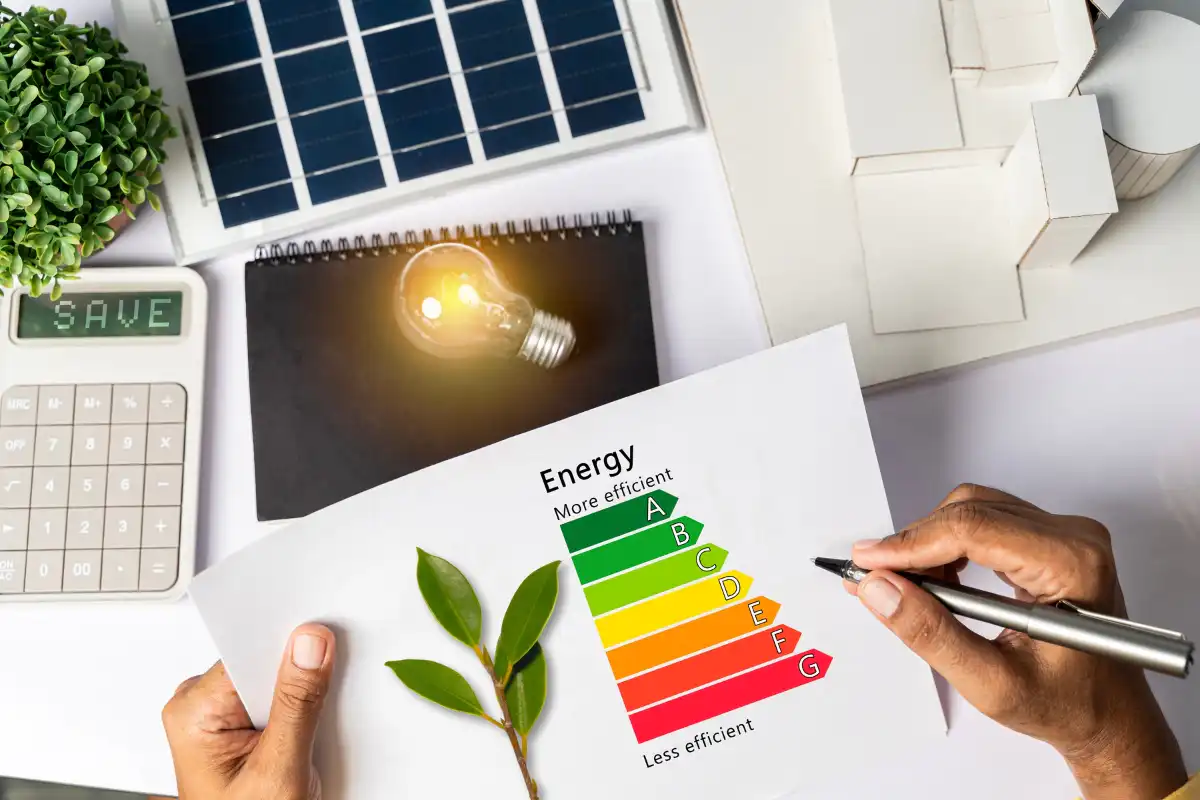
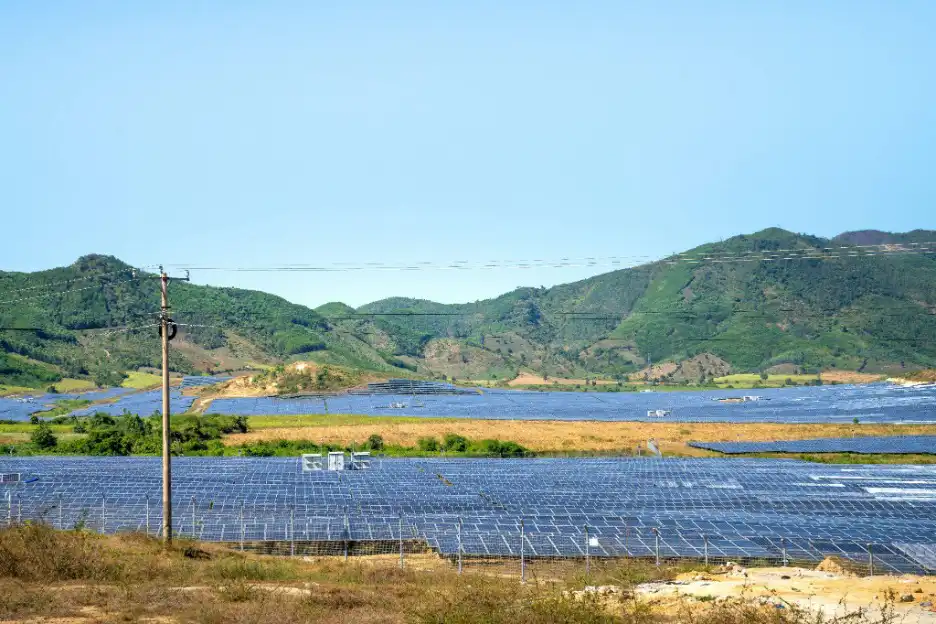
We're increasingly meeting people who have installed solar panels on their rooftops and no longer pay high electricity bills. Some of them are already earning money from the surplus energy they produce.
You may have thought about joining this modern way of generating electricity yourself, but don't know how to become a privileged electricity producer. Another common doubt is, is a prosumer the same as a privileged electricity producer?
We bring you the answers below: we lay out the key differences between these terms and the steps to take in finding the model that's ideal for you.
What's the difference between a prosumer and a privileged electricity producer?
It's important to know that not every household that installs solar panels automatically becomes a privileged producer if they want to sell the surplus electricity they generate. Here's where the difference lies:
-
Prosumer (producer-consumer) is a household or business that installs solar panels primarily to reduce their own electricity bills. They use the energy they produce for their own needs, and the surplus is fed into the grid or used for their own consumption on days with weaker production, in winter, or when there aren't enough sunny hours. The state has recognised prosumers as the most practical model for smaller installations and houses.
-
Privileged electricity producer is a legal entity or individual who invests in a larger renewable-energy power plant (solar, wind, biomass, mini hydropower) and meets all the legal requirements to sell electricity with state incentives.
In short, if you want solar panels for a house or a small business, you'll be a prosumer ; if you're planning a more serious investment project, you can apply for the status of privileged producer.
How to become a privileged electricity producer, the first steps
When you decide to become a privileged electricity producer, it's most important to start from the basics. That way you'll see the whole process clearly.
At first glance it may sound complicated, but in reality it all comes down to a few simple steps:
First step, decision and planning
First, decide whether you want to invest in solar panels, biomass, a wind turbine, or some other renewable source. Most households and businesses choose solar energy as the most practical option.
Assessing the potential
It's important to check whether your building has enough sunny hours per year, what the roof orientation is, and how much space you have for installing panels. This directly affects how worthwhile the investment will be.
Choosing a partner or installer
Experience shows that it's much easier to work with a specialised solar-system company that will guide you through the whole process and offer you a turnkey model, from design and paperwork, to the installation itself and connection to the grid.
Submitting a connection application
Once you've chosen your energy source and selected a partner, the next step is the Serbian electricity distribution company. You need to submit a grid connection application to them.
Documentation and permits
You'll need to gather certain permits and documents. Most often you'll need a building permit, energy approvals, and design documentation.
Once you complete these initial steps, the path opens up to obtaining the status of privileged producer. The most important thing is not to give up halfway, because the procedure only seems demanding until you break it down into small steps.
What are the conditions for obtaining the status of privileged producer?
Simply putting panels on the roof and submitting documentation isn't enough to be called a privileged producer. There are certain conditions you have to meet, but none of them are complicated.
It's easiest to break them down into a few clear points:
-
Using renewable energy sources, that means solar, wind, biomass or mini hydropower. So if you generate electricity from fossil fuels, it doesn't fall into this category.
-
Technical conditions, your power plant must meet all technical standards and be safe to connect to the grid. That's why it's important that the project is done by a licensed company, because they know all the details the distributor requires.
-
Grid connection, EPS Distribucija must issue a decision saying your plant can be connected. Without that paper, there's no going further.
-
Licence / decision from the Energy Agency, the official decision confirming that you have the status of privileged producer is issued once the technical conditions are met and all documentation is submitted.
-
Obligations toward the distributor, as soon as you receive the status, you have an obligation to produce electricity in accordance with the contract. You deliver it to the distributor under the pre-agreed terms.
In short, the conditions aren't there to hold you back, they're there to keep the whole system safe and functional. If you've prepared a solid project and engaged a reliable company to handle the procedure, you'll reach the status of privileged producer without any problems.
Advantages and obligations of a privileged electricity producer
Now we get to the most interesting part, what do you actually get when you become a privileged producer? And, of course, what are you obliged to deliver in return? Let's break it down:
Advantages
-
Significant savings, electricity bills become much lower, because you first use what you produce yourself.
-
Earning potential, the surplus energy you produce but don't consume, you can sell to the grid and receive payment for it.
-
A secure investment, the status of privileged producer is regulated by law and stable in the long run, so you have the assurance that the investment pays off.
-
State support, there are subsidies and incentives for renewable sources, which makes the whole process easier.
-
Contribution to the environment, you use a clean energy source and directly reduce CO₂ emissions.
Obligations
Of course, not everything is on the benefits side. There are also certain obligations to fulfil:
-
Regular production and delivery, you must produce energy in accordance with the contract and meet the agreed quantities and deadlines.
-
System maintenance, the plant must be in good condition and regularly serviced.
-
Compliance with regulations, everything you do must be in line with the applicable laws and regulations.
-
Administration, from time to time you'll be required to submit reports or paperwork to the competent institutions.
The advantages are far greater than the obligations. The best part of the whole story is that once everything is set up and the paperwork is done, the system practically runs itself for you. You collect both the financial and the ecological benefits in the years that follow.
Becoming a privileged electricity producer today is simpler than you might think. With the right plan, good documentation and reliable partners, you can reduce your electricity bills, earn from the surplus energy, and at the same time contribute to preserving nature.