We are all aware that we cannot live without nature. Yet sometimes we forget that neglecting our environment can have huge consequences.
Although we sometimes think it doesn't concern us, it's only after natural disasters that we realise how essential nature is to us.
The sun is something we cannot live without, and it can do a great deal to make our everyday life easier, and at the same time let us live more comfortably and in harmony with nature.
Read on to find out everything about solar energy: how it works, why it's so important, and how we can take advantage of all the benefits it offers.
What is solar energy and why is it important?
Solar energy comes from solar radiation, which can be converted into heat or electricity.
It is a renewable and practically inexhaustible resource. A fascinating fact: the sun radiates enough energy in a single hour to meet the world's electricity needs for an entire year.
Solar energy matters because it helps us reduce our dependence on fossil fuels, and on top of that, it lowers emissions of harmful gases and helps protect nature.
In an era when climate change is becoming more and more pronounced, the switch to clean energy sources is becoming not just an ecological choice, but an economic one without an alternative.
How does solar energy work?
There are two main ways we can harness solar energy:
-
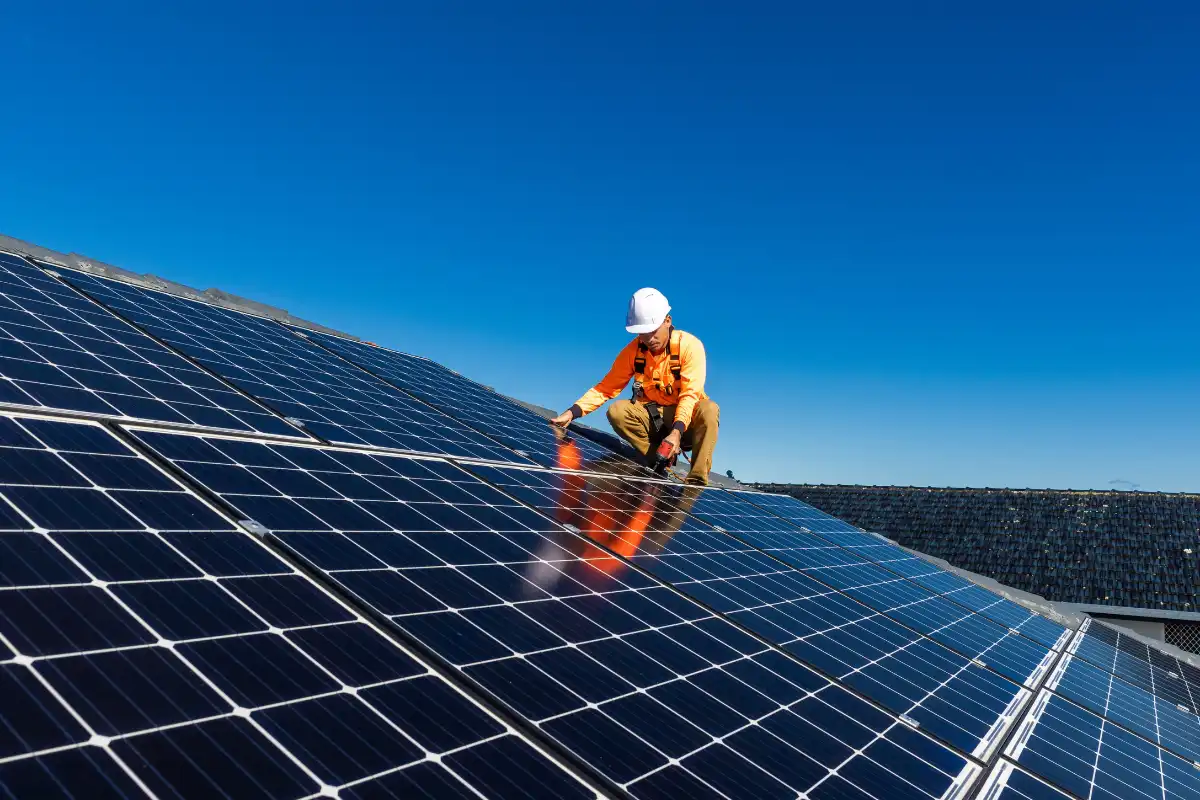
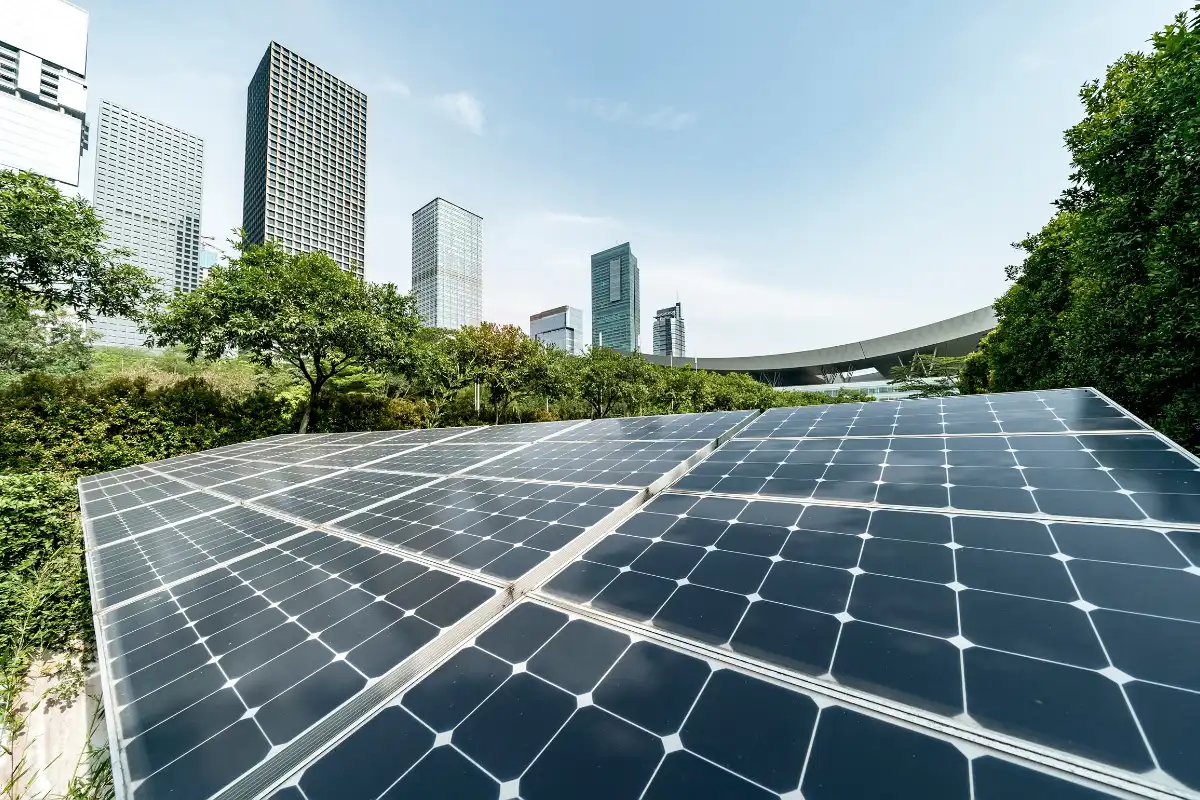
The first is photovoltaic (PV) systems, which convert sunlight directly into electricity using solar cells. These solar panels can be installed on the roofs of houses, commercial buildings, and even on open areas in the form of solar farms.
-
The second is solar thermal systems, which use the sun's heat to warm water or air. These systems are a common choice for heating households and pools, or for industrial processes that require larger amounts of thermal energy.
Main advantages of solar energy
One of the biggest advantages of using solar energy is the fact that it is an energy source that is constantly renewed. The sun will shine for billions of years to come, so there is no danger of running it out, it is a natural resource.
On top of that, solar systems reduce emissions of harmful gases, and so the decision to use solar energy significantly helps to protect the environment.
When we take all that into account, we get cleaner air, a smaller greenhouse effect, and a healthier future for ourselves and our descendants.
We mustn't forget the financial benefit either. Although the initial investment can be larger, electricity costs are significantly reduced over the long run. In countries with subsidies, the payback period can be considerably shorter.
Another advantage is the possibility of storing energy in batteries. This way, electricity can be used even when there is no sun. In addition, solar panels operate quietly, with no noise pollution, and require minimal maintenance.
Solar energy, challenges and limitations
Although the advantages outweigh the drawbacks, solar energy has its limitations.
Electricity production depends directly on weather conditions. On cloudy days or at night, production drops, so it is important to think about additional energy sources or storing energy in batteries.
For many people, the initial investment is the main challenge that pushes them to delay installing solar panels. Buying and installing solar panels and the supporting equipment can be a significant expense. However, the investment pays off many times over in the long run.
In addition, for maximum efficiency, you need adequate surface area and the right orientation toward the sun, which can be a limitation for smaller buildings or those shaded by taller buildings and trees.
Ways of using solar energy
The application of solar energy is diverse and ever broader. The most familiar is the generation of electricity for households, commercial buildings, or even entire energy grids.
It is increasingly used for heating water, whether hot water for households, pools, or industrial processes.
Solar energy can also power lighting, from street lamps to floodlights, without the need for a grid connection.
In agriculture, solar irrigation systems are gaining importance: using solar pumps to provide watering.
As you can see, in addition to being a renewable source, solar energy has an ever-widening range of applications every year, and can practically be used everywhere.
The future of solar energy
Technological development is making solar systems ever more efficient and affordable. Innovations are appearing, transparent solar panels that can be integrated into windows, or flexible panels that can be installed on curved surfaces and are easy to transport.
We can expect further drops in equipment prices in the future, which will make solar energy accessible to even more people.
As time goes on, we can expect solar energy to become a standard energy source in most households, and even in entire cities.
Solar energy is a clean, renewable, and long-term profitable investment in the future. Its advantages outweigh the disadvantages, and the technology opens up new possibilities for application every day.
By investing in solar systems, we are not only investing in our own energy independence, we are investing in the preservation of the planet for future generations, and you'll admit, nothing matters more than that.