Solar energy is becoming an ever more popular and practical source of power for homes and businesses, but many people considering the switch worry about whether they will have enough sunny days for the solar system to produce enough electricity.
In this article we answer the most common questions: do solar panels have to be directly exposed to the sun, can they work without sunlight, and is solar energy usable in winter? Stick with us to the end and find out how solar panels operate in cloudy conditions and whether they will live up to all your expectations.
Can a solar panel work without sunlight?
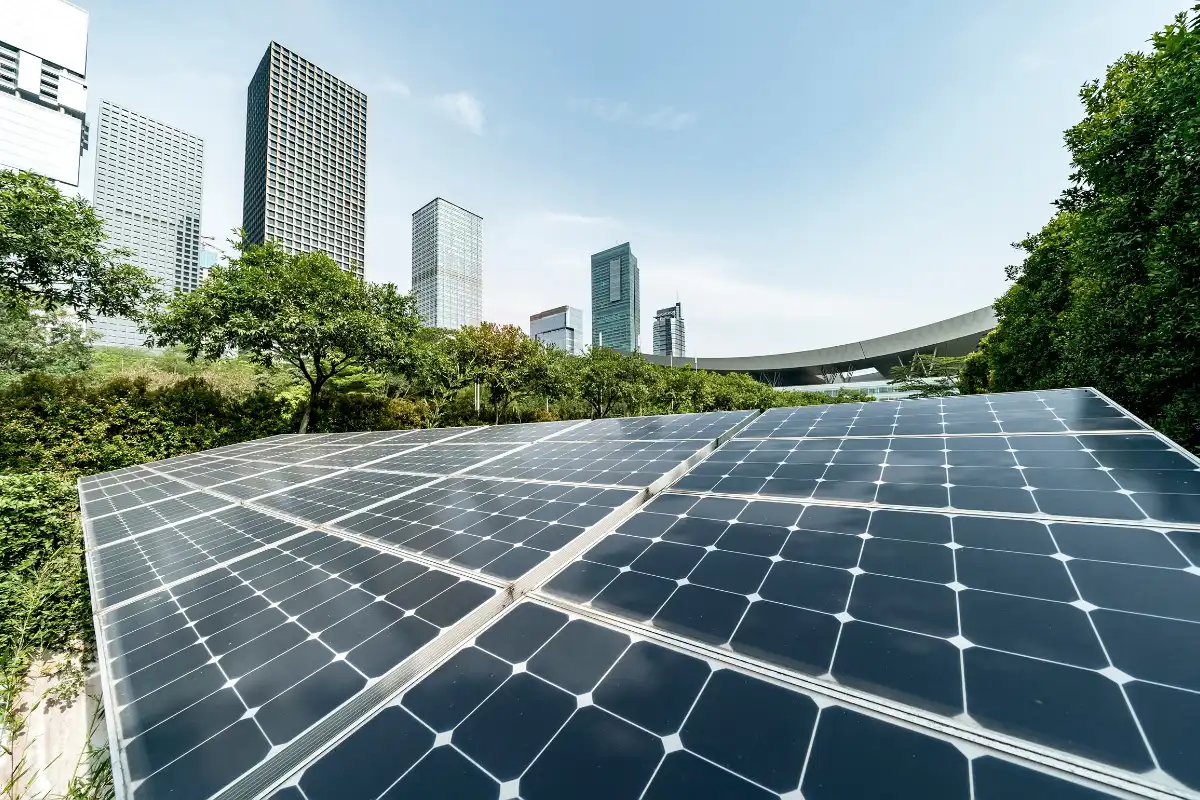
Of course, direct sunlight is the most efficient for solar panels, but they can also work when the sun isn't hitting them directly, thanks to diffuse light. This means that even when it's cloudy, the panels keep working by capturing the light that passes through the clouds. Many people think solar panels only work when the sun is directly overhead, but that's not entirely correct. Panels generate electricity by capturing photons from sunlight, which set electrons in the photovoltaic cells in motion. Direct sunlight is, of course, the most efficient, but panels can produce energy, albeit at reduced capacity, on cloudy days or when the light is indirect.
What is important to distinguish is that electricity production on a cloudy day does not stop, it is simply lower than on a sunny day when the panels are in direct sunlight. So:
- Efficiency drops in shade: If the panels are shaded by trees, buildings or other obstacles, energy production goes down.
- Diffuse light also works: Even when it's cloudy, sunlight scatters in the atmosphere, and the panels can still use it. Modern panels can produce 10 to 25% of their typical capacity even in heavy overcast.
- The optimal mounting angle: Panels properly tilted to the sun's path capture more energy, even without direct sunlight.
In what weather conditions do panels not produce any electricity at all?
Solar panels don't work in total darkness, they need at least some light to generate electricity. Beyond complete darkness, extreme shading or covering also affects production, for example, if the panels are completely covered with snow, leaves or an opaque object, light doesn't reach the cells and the panel doesn't work.
There are, however, ways to use solar energy even when there is no direct sunlight:
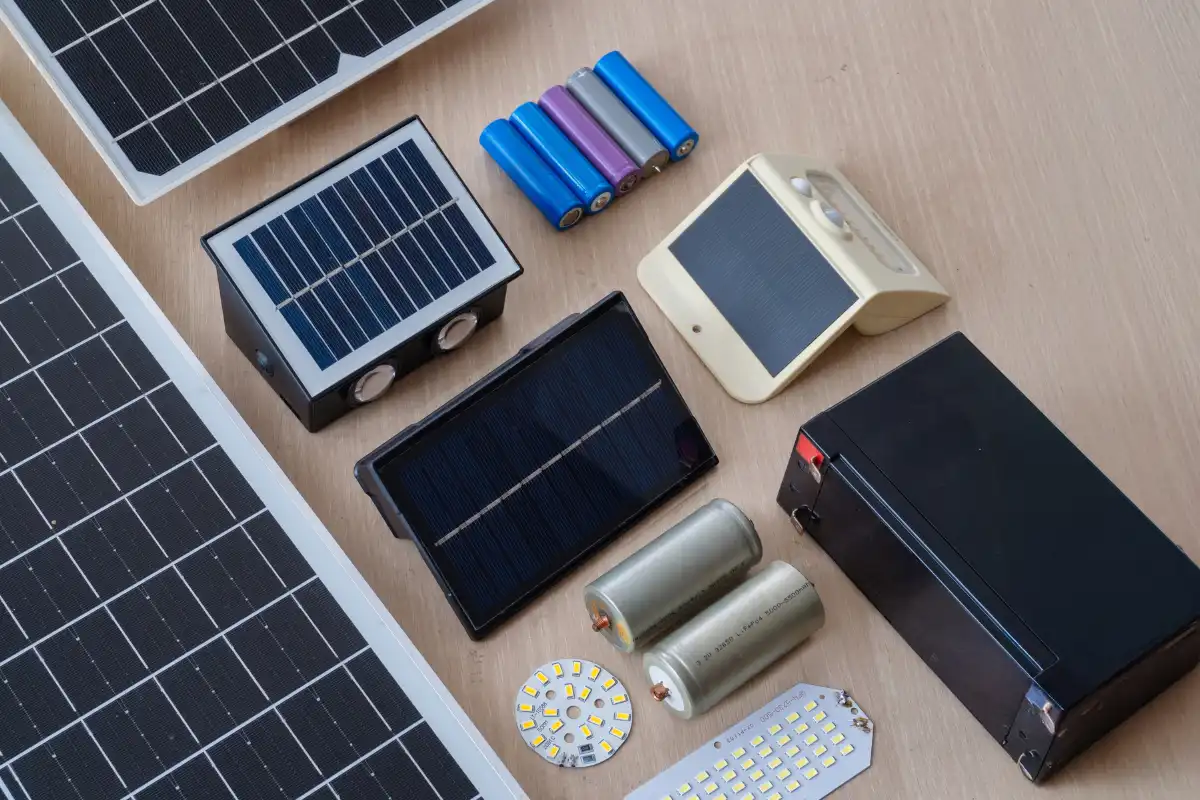
- Battery systems: Panels charge batteries during the day, which then provide power at night or during low-light periods.
- Hybrid systems: Solar energy can be combined with other sources, like the grid or wind, so that energy is constantly available.
- Indirect production: Advanced technologies, such as bifacial panels, capture light reflected from the surroundings and thus increase production in low-light conditions.
In short, in complete darkness, panels do not produce electricity, but a system designed with batteries or additional energy sources allows continuous use of solar energy.
Can solar energy be used in winter when it's constantly cloudy?
Yes, solar energy can be used in winter too, although efficiency is somewhat lower than in summer months. Many people think that winter and snow completely prevent production, but that's not the case.
- Lower temperatures increase efficiency: Panels actually perform better in cold conditions, because high temperatures can reduce their output.
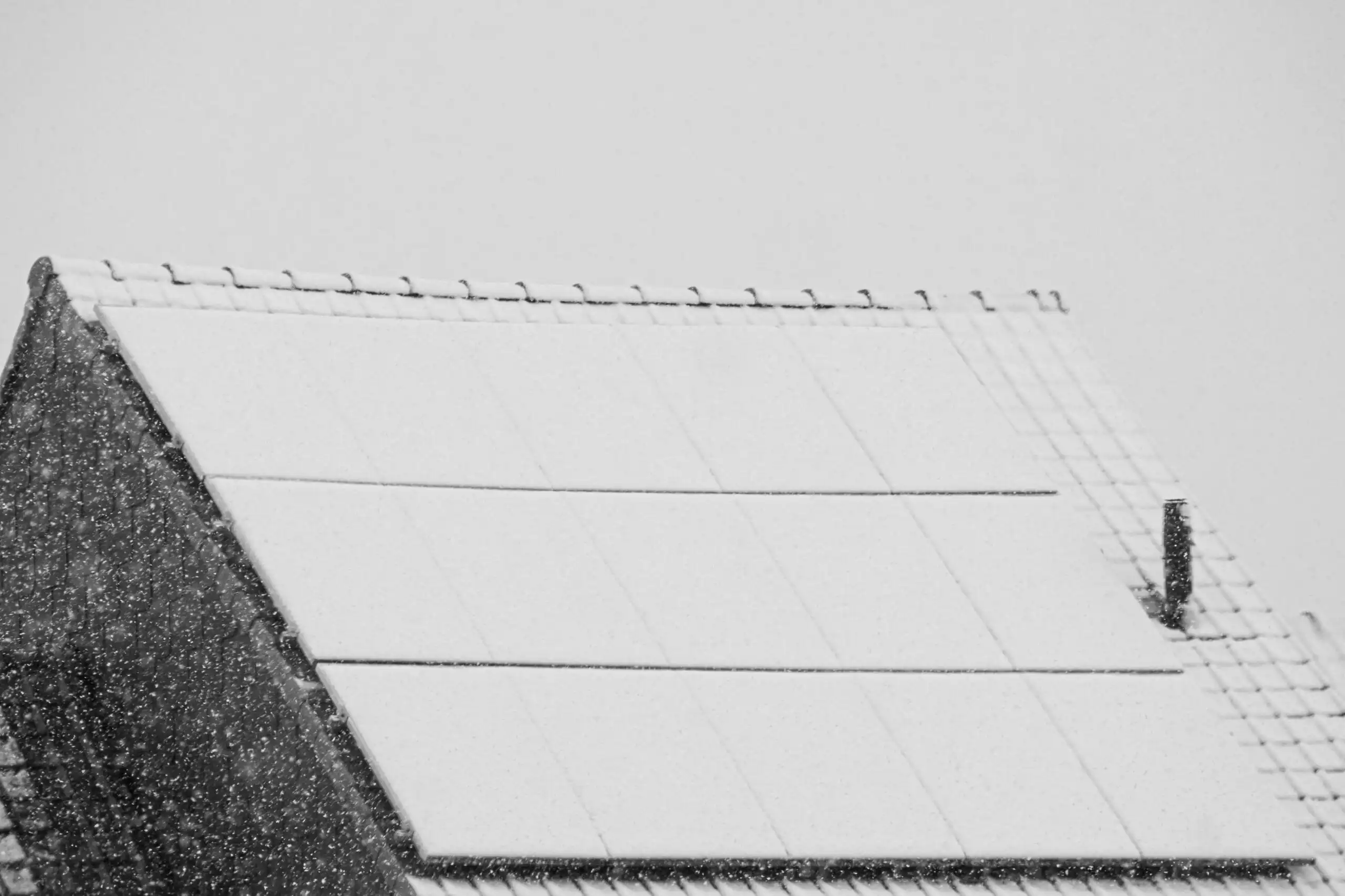
- Snow: If snow covers the panels, light doesn't get through, but most panels are mounted at an angle so the snow slides off on its own. Even partial light on the snow can still allow some energy production.
- Short days: Although the days are shorter, solar panels generate energy during the daylight hours. Systems can be sized to provide enough energy throughout the winter.
How does weather affect the intensity of solar panel operation?
1. Cloudy weather
Solar panels work even when it's cloudy, because diffuse light still reaches them.
Their efficiency is 10 to 25% lower compared to a fully sunny day, depending on how heavy the cloud cover is.
2. Rain
Rainy days reduce energy production, but the panels can still produce electricity from diffuse light. On the upside, rain actually helps to clean the panels from dust, which improves performance over time.
3. Snow
If snow completely covers the panels, production stops until the snow melts or slides off. That is exactly why installation at an angle is the standard practice, panels mounted at an angle make it easier for snow to slide off and bring energy production back faster.
4. Fog or mist
Heavy, thick fog can reduce light intensity and therefore panel efficiency, but they can still produce a certain amount of energy.
5. Wind
Wind itself does not directly affect production, but it helps cool the panels, which can actually improve efficiency, because too much heat reduces output.
So, different weather conditions affect production and panel performance differently, but with proper installation, winter and cloudy weather do not prevent the effective use of solar energy. Solar panels remain a reliable source of electricity throughout the year. In addition, when sunny days exceed the building's needs, all the surplus energy produced is stored in batteries that later provide power on cloudy and winter days.
Solar panels are flexible and can produce electricity in a variety of conditions. Direct sunlight boosts efficiency, but the panels work in diffuse light too. They don't work in complete darkness, but batteries and hybrid systems ensure constant energy supply, so there is no reason to worry, because we are talking about a smart system that takes everything into account. In winter, even with shorter days and snow, solar energy can be a reliable and sustainable source of electricity for both homes and businesses.