Solar panels are often advertised as a long-term solution that lasts more than 25 years. While it's true that they are very reliable and durable, they can fail, just not the way most people imagine.
In this article we look at how solar panels can become damaged, what causes it, how to recognise a fault, and how to prevent it.
How durable are panels?
Modern solar panels are designed to withstand heavy rain, hail, extremely high and extremely low temperatures, snow, strong wind, and UV radiation.
Thanks to tempered glass, EVA layers, an aluminium frame, and silicon solar cells, panels are mechanically extremely resilient.
Still, certain factors can lead to damage or reduced efficiency over a longer period, especially after twenty or more years of use.
Can a solar panel fail?
Yes, a solar panel can fail, though it's very rare if quality panels are involved and they are properly installed.
With proper installation and the minimal maintenance panels require, failures are rare, which is exactly why a 25-30-year warranty is offered on them.
What are the most common reasons for solar panel failure?
The causes of solar panel failure can be grouped into several categories:
1. Poor panel quality and inadequate installation
The first and most fundamental reason a solar panel can fail is the low quality of the product itself. So if production defects were made, such as poor soldering of the wires that carry electricity, or tiny cracks appearing on the glass surfaces, a fault can occur. Voltage-induced degradation is also possible when the panel is of poor quality.
On the other hand, even if the product is top quality, poor installation can be the cause of failure. For example, if there's a mistake with wires or chargers, the power supply can be interrupted or cause a situation dangerous to the building and its surroundings.
2. Weather conditions
The second possible reason for a solar panel failure is extreme weather. Although panels need sun to operate, excessively high temperatures and very high UV levels, for example, above 40 degrees, can cause material degradation.
In addition, a large snow drift that lingers on the panel surface for a long time can also cause a fault and block sunlight from reaching the panel.
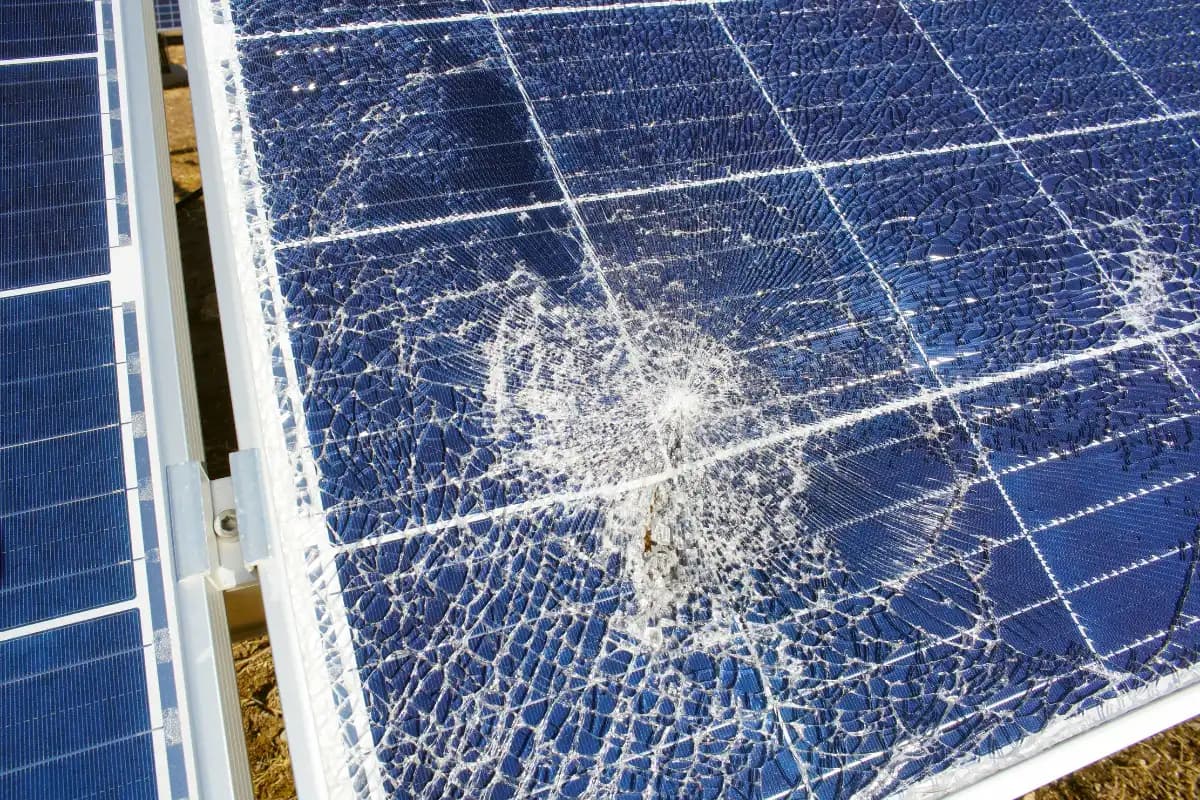
Strong hail can cause cracks in the glass, while heavy rainfall can damage the panel, cause corrosion, or trigger an electrical fault.
3. Microcracks
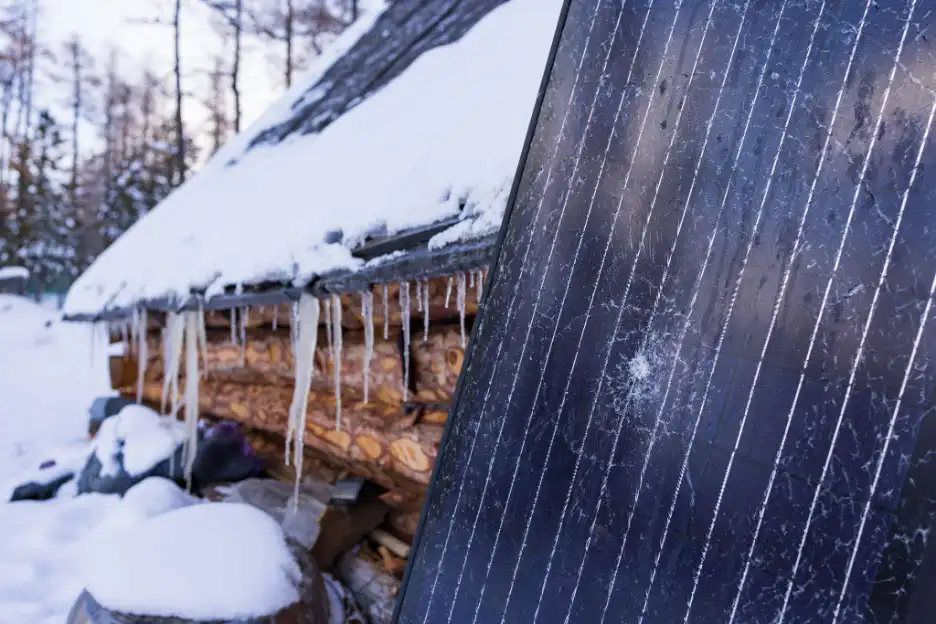
Tiny cracks in solar cells can appear during transport or installation on the building. Over time, they lead to reduced efficiency, and sometimes to a complete loss of production.
As mentioned, physically caused cracks after installation can also be the cause of failure, for example from hail, birds, branches, or other physical damage.
4. Hot spot effect in solar panels
When part of a panel becomes hotter than the rest because it's not sufficiently exposed to the sun (due to shade, dirt, defects), localised overheating occurs that can permanently damage the cell. Instead of producing electricity, current absorption occurs that creates heat at specific points on the panel. These hot spots reduce the output power of the entire panel and can cause it to fail.
5. PID, potential-induced degradation of a solar panel
Due to electrical voltage between the cells and the panel frame, current leakage and loss of efficiency occur. This process can reduce production by up to 30% and eventually cause panel failure. It often happens when the system is poor-quality, badly installed, in too-high temperatures and high humidity.
6. Delamination
Delamination is the process of panel layers separating due to moisture, UV radiation, or poor manufacturing quality, and it leads to faults that are hard to repair. When a panel isn't hermetically sealed or isn't made of waterproof materials, moisture seeping inside causes chemical changes in the joints, and the layers separate.
Preventing delamination comes down to choosing quality, proven solar panels.
How to recognise a solar panel fault?
As stated, some causes of panel failure are physical and visible, others are not. However, there are ways to check and confirm that your solar panel has failed. Some signs that your solar system isn't working properly include:
-
A sudden drop in electricity production,
-
The appearance of warnings on the inverter,
-
A difference in performance between panels,
-
Colour changes on the panels (yellowing, dark spots),
-
Visual cracks or scratches on the glass.
Can a solar panel be repaired?
For the sake of the efficiency of the whole solar system, in most cases panels are not repaired but replaced with new and efficient ones that will enable uninterrupted electricity production within the system.
On the other hand, there is no need to repair them either, because the warranty on panels is 25 to 30 years, and that warranty covers many damages.
Also, servicing and monitoring can prevent larger faults in time, which is why monitoring system operation and regular service are key to longevity.
How do you prevent solar panel failures?
To prevent solar panel failures, you need:
-
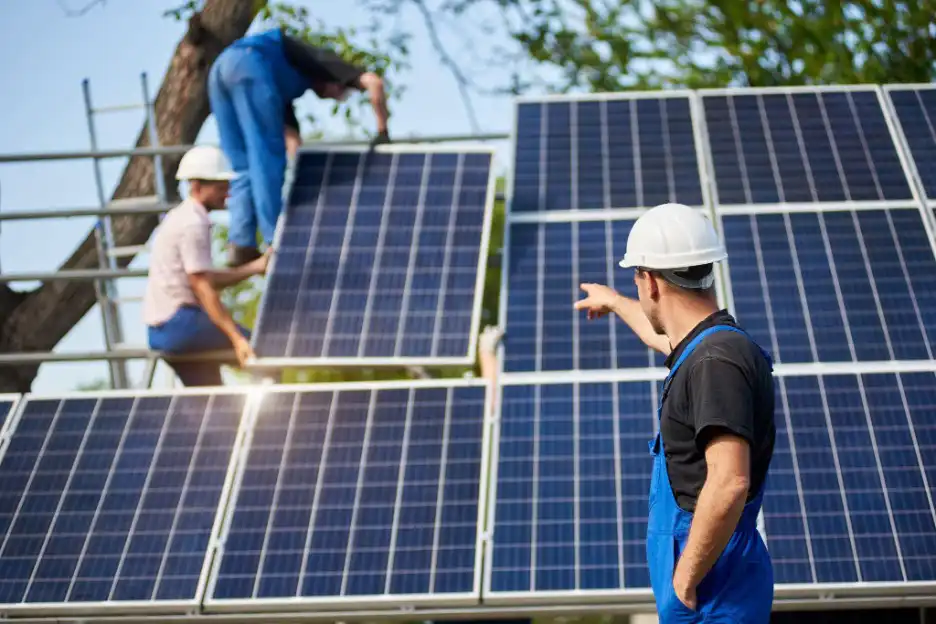
Professional installation and product quality: choose only proven partners for solar system installation who have experience and can guarantee quality without question.
-
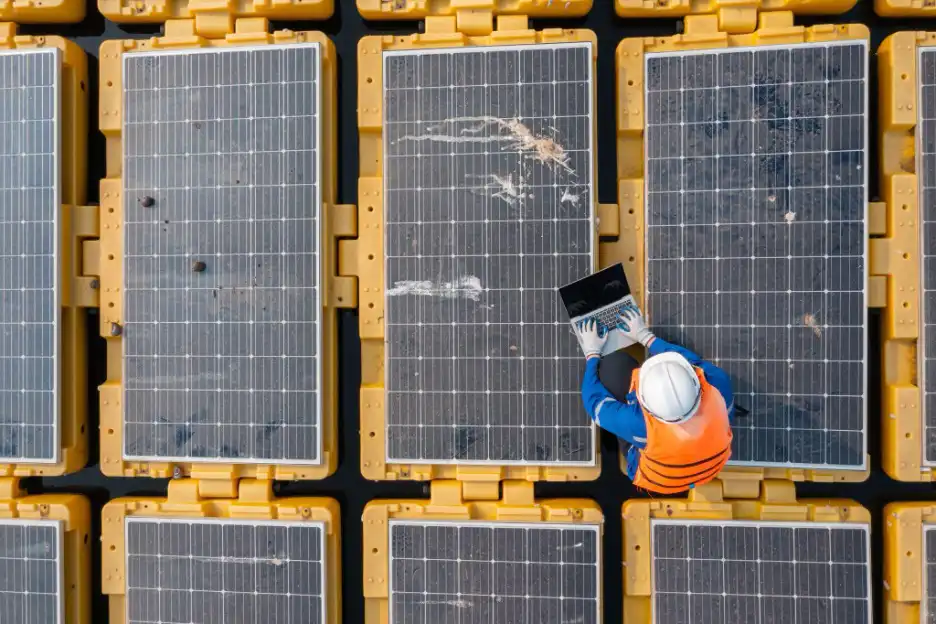
Regular cleaning: remove leaves, dust, bird droppings.
-
System monitoring: use apps that show how much energy the panels produce.
-
Annual inspection: apply visual and electrical condition checks at least once a year.
-
Animal protection: use mesh under the panels to deter birds and rodents.
Although solar panels are exceptionally reliable and durable, they are not indestructible. Microcracks, shading, overheating, and weather conditions can reduce efficiency over time, and sometimes cause complete failure. But with proper installation, monitoring and maintenance, solar panels will serve you for decades.