Daily city traffic, losing hours in jams, and then circling endlessly around the building to find parking, this is a familiar scenario for almost everyone.
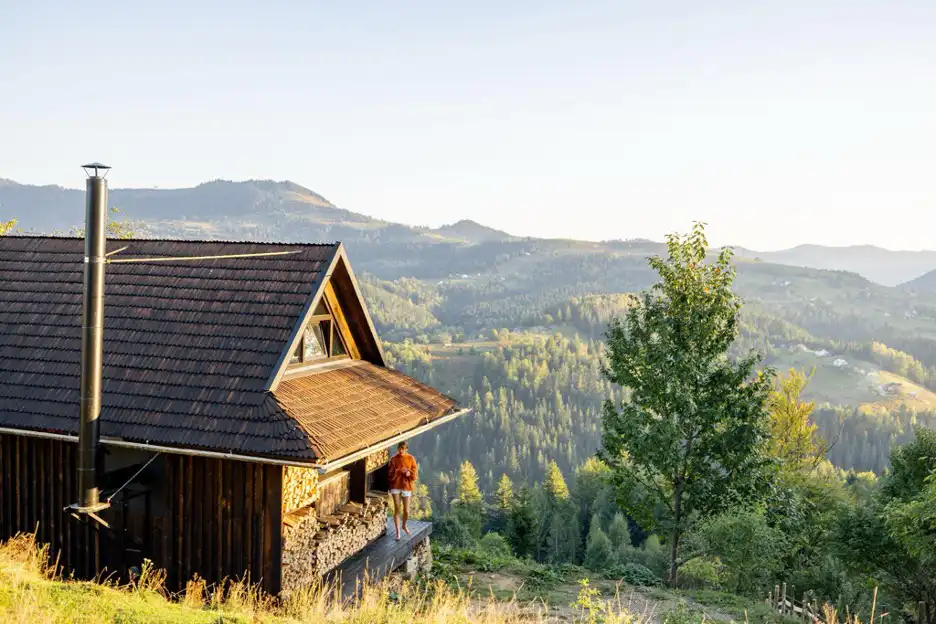
And it's in those moments that the thought crosses everyone's mind: how ideal it would be to move to a smaller town, or to that holiday home we only visit a few times during the summer months because it isn't properly fitted out.
Below, find out how to quickly and easily get your holiday home in shape, how to bring in electricity and save money along the way, perfect the day-to-day routine, and make life easier and more practical even for longer stays.
What options do you have for powering a holiday home?
Electricity is a common problem, especially in holiday homes located outside urban areas. Bringing electricity into a holiday home is no longer a luxury, it's a real need, especially if you're planning more frequent stays outside the city.
In that situation, you have three options:
-
Connect to the electricity distribution grid (if there is one nearby)
-
Use a petrol or diesel generator
-
Install a solar system
The first option can be lengthy and expensive, especially if the holiday home is located at a greater distance from the existing grid.
The second is practical in emergencies, but it isn't ecological, is noisy, and depends on a constant fuel supply.
The third option, solar panels, is increasingly imposing itself as the optimal, in fact the best, solution that combines independence, quiet, sustainability and long-term cost-effectiveness.
Solar panels, why are they a smart solution for a holiday home?
The way solar panels work is very simple, the sun's energy is converted by the panels into electricity, then stored in batteries and used as needed.
This system gives you complete freedom, which in practice means you don't depend on the grid, you don't have fuel costs, and you get energy directly from nature. Can it get any better?
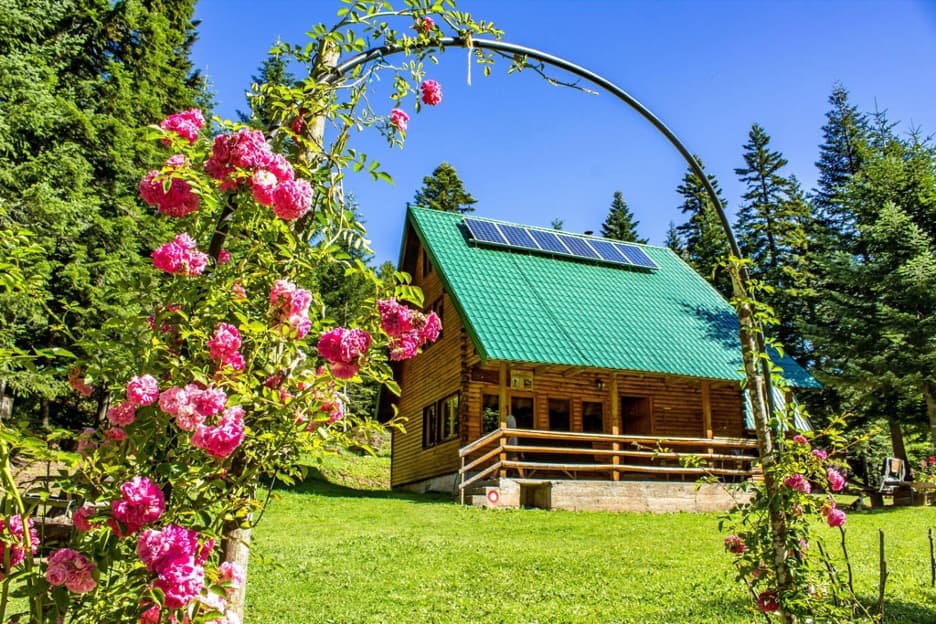
The main advantages include:
-
Complete energy autonomy: especially if your holiday home is in the mountains, in a village, or in a hard-to-reach location
-
Low operating costs: the sun is a free source of energy, and the system requires almost no maintenance
-
A long lifespan: quality solar systems last more than 20 years
-
Environmental impact: no emissions of harmful gases, no noise, no pollution
With a carefully sized system, solar panels can effortlessly power lighting, chargers, a TV, a smaller fridge, or a water pump.
What does a basic solar system look like?
Although you might imagine an enormous contraption, in practice a solar system doesn't have to be complicated at all, especially for a holiday home.
It most often consists of:
-
Solar panels, which collect energy
-
A charge controller, which controls the flow of current into the batteries
-
Batteries (accumulators), which store energy for use at night or in cloudy weather
-
An inverter, if you want to use appliances at the standard 220V
In addition to all this, the solar system can be further tailored to your habits, if you often stay only on weekends, a basic solution will be enough, while for year-round stays a stronger setup may be needed.
How much does it cost to bring electricity to a holiday home via solar panels?
It should be emphasised that installing solar panels is the best investment in the long run. The cost of installing a solar system can depend on several factors.
Some of them are how many devices you plan to use, how often you stay at the holiday home, and what kind of battery and panels you want to choose.
For a smaller number of solar panels suitable for holiday homes without major loads (which is mostly the case), this investment won't cost you more than €1,000 to 2,000. Taking into account the cost of a grid connection and the savings you achieve later through electricity bills, that's really negligible.
Still, the most important thing is to understand that this is an investment that will definitely pay off, because you won't have monthly bills, fuel costs, or the need to service a generator.
Basic systems are available at prices accessible to the average household, and the state often offers subsidies for renewable energy sources, which further significantly eases the initial step.
How can you save even more energy at the holiday home?
Once you bring in electricity through a solar system, small changes can further contribute to big energy savings:
-
Use LED lighting, which consumes significantly less
-
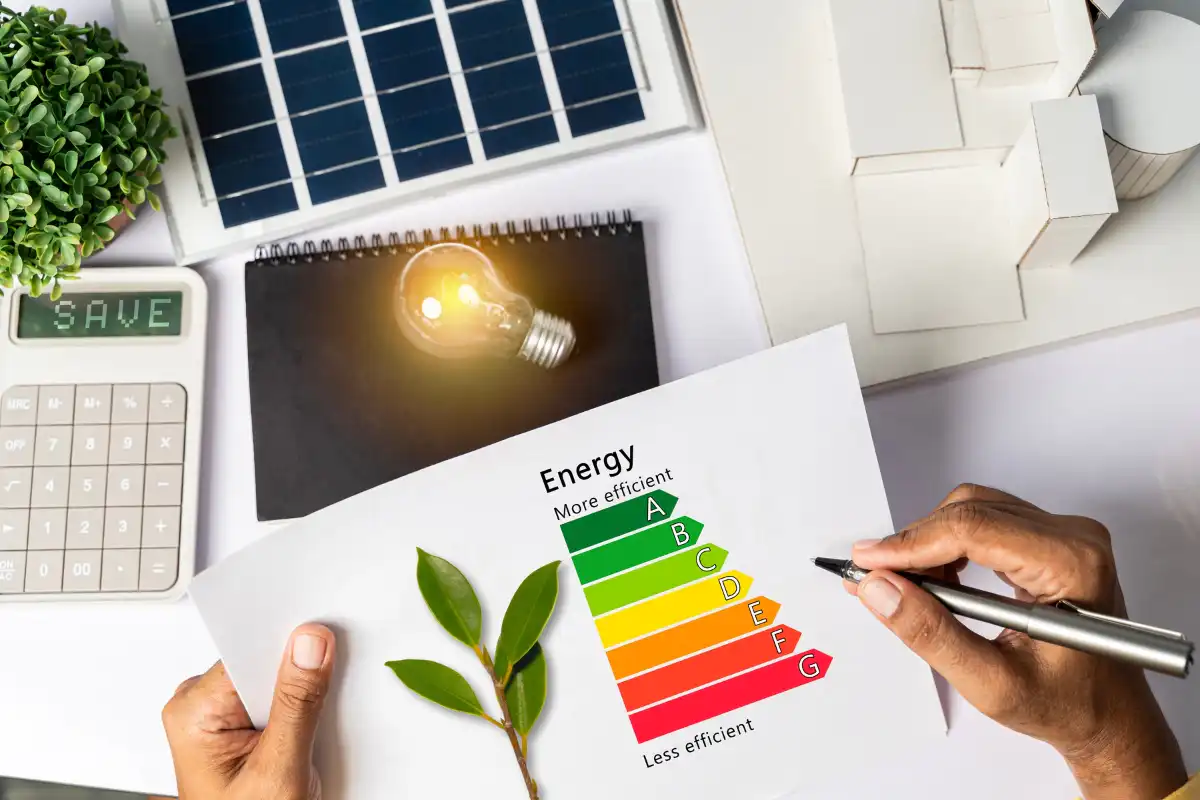
Choose appliances that consume less, with an energy rating of A++ or A+++
-
Switch off appliances when you're not using them
-
Install a solar water heater for heating water, or a well water pump that runs on solar energy
With these simple daily habits, you'll not only save energy but also extend the lifespan of the batteries.
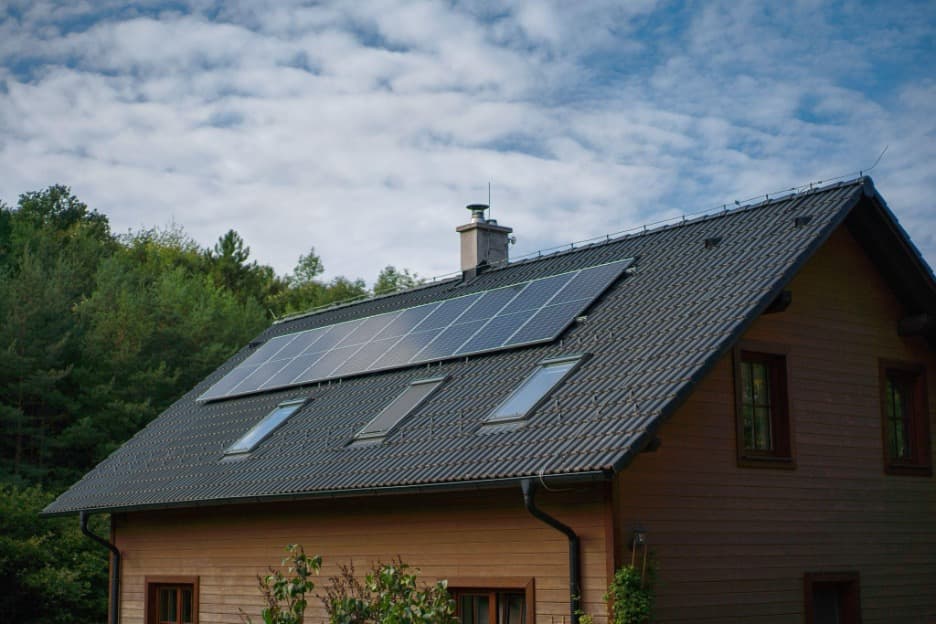
With solar systems, you can always go to your holiday home, have a coffee or tea worry-free, without thinking about whether you left the light or the heater on, without worrying about generators, cables, or power outages.
Today there is a simple, efficient, and ecological solution, solar power. It is the ideal choice if you're looking for a long-term, reliable, and sustainable power solution for your holiday home.
With the right system choice and good consumption management, your holiday home can become energy independent and ready to be lived in at any time of year.