Are solar panels worth it? We arrive at a resounding YES, and with good reason. We can't help noticing how electricity prices keep climbing in small but rapid steps. The bills are becoming uncomfortably high, and the need for alternative solutions ever more urgent.
One of the best-known and smartest solutions for saving energy is solar panels, but the relationship between the cost of installation and the percentage of long-term savings is often questioned. That's why it's very important to talk about the cost-effectiveness of this investment.
In this article, find out whether solar panels really pay off, how much you save on bills, and how to get the most out of the sun's power in your home.
What exactly is a solar system, types and components
A solar system is a complete system for generating electricity using sunlight. It allows us to use solar energy to power our living and working spaces, even cars or camper trailers.
There are two main types of solar systems:
-
On-grid system, a system connected to the public electricity grid. This is a system without batteries. Surplus energy is sent back to the grid.
-
Off-grid system, a fully independent system. It uses batteries to store energy. This system is suitable for remote locations.
There is also a hybrid system, which is a combination of these two. Solar energy is used, but the grid is there as a backup.
Key parts of a solar system
-
Solar panels, boards that collect solar energy.
-
Inverters, devices that convert direct current into alternating current (DC to AC). The kind we use in our households.
-
Charge controller or regulator, the part that regulates voltage and protects batteries from overcharging (for off-grid systems).
-
Batteries, used for independent systems. They serve to store energy for later use.
-
Mounting structure, for installing the panels on the roof or on the ground, at the optimal angle.
-
Cables and protective elements, ensure proper and safe energy transfer through the system.
Solar panels are boards that are most often installed on roofs. These devices convert sunlight into electricity through the photovoltaic effect. It works like this: a sun ray falls on the solar cells inside the panel. Light energy then knocks electrons out of the atoms of semiconductor materials, most often silicon. This creates direct electric current. It is then further converted via the inverter into alternating current, which we use in our households.
What's important for anyone interested in solar systems is understanding the basic components and the differences between systems. This knowledge will help us make the right decision that meets our needs and budget.
How much do solar panels really pay off?
When you decide to invest in solar panels, you almost always ask whether it really pays off and when your invested money will return.
The price of a complete solar system can vary depending on the size of the system, the type of equipment itself, and any additional components.
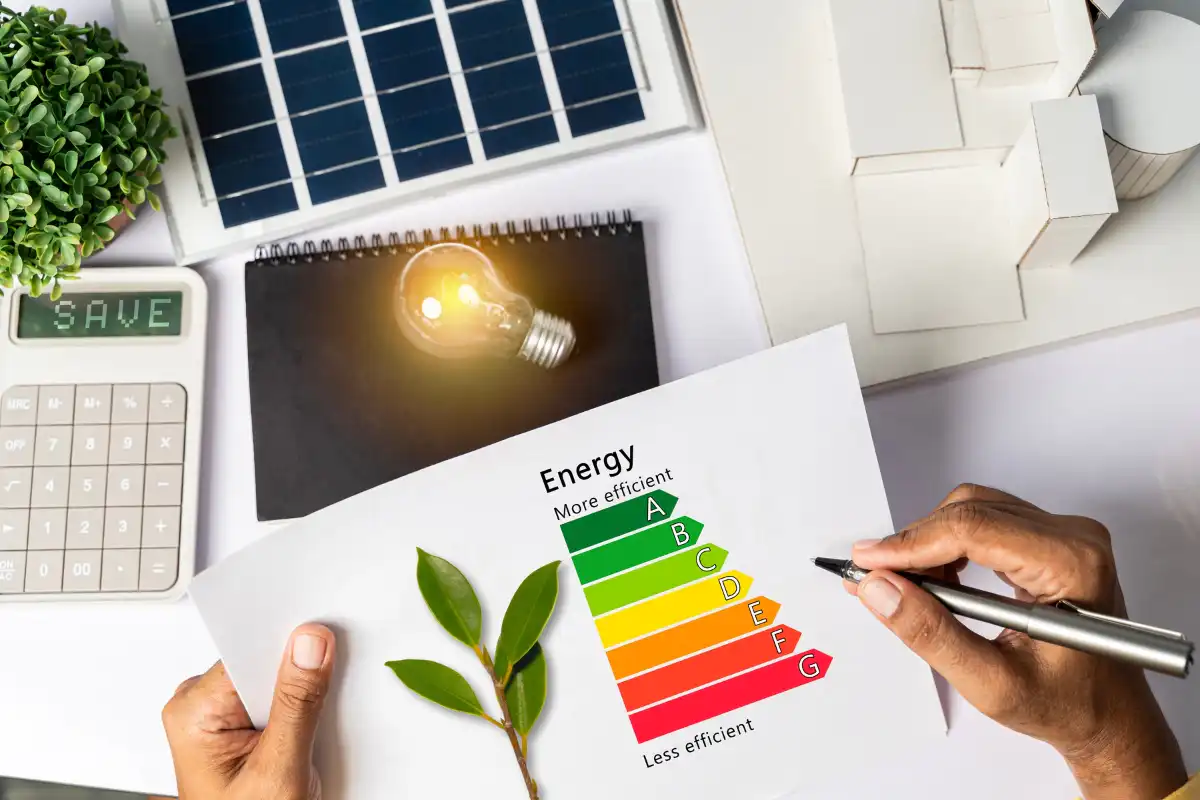
The lifespan of solar panels is up to 25 years. The return on investment is usually felt within 5 to 8 years. This means that after paying off the initial investment, you have at least another decade and a half of free electricity.
For an average household with average consumption, savings on monthly bills can be 5,000 to 10,000 RSD. The real savings will depend on the system size, consumption, and location.
How to get the maximum out of the power of solar panels
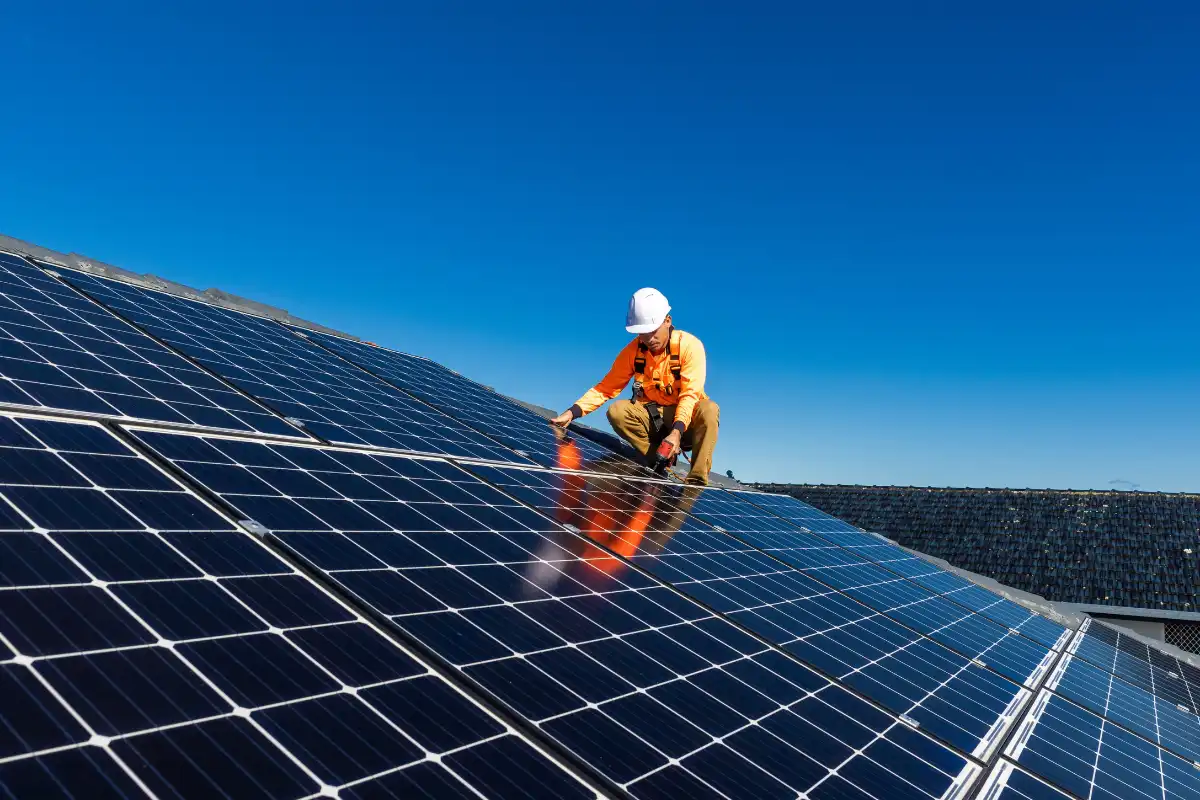
You install solar panels with the idea that they work in your favour. That's why it's important to hire professionals who will install them correctly and then maintain them. It's equally important to use the energy that's produced smartly.
Tips for greater efficiency and better energy savings:
-
Proper orientation and tilt of the panels, solar panels should be installed at the ideal angle and facing south.
-
Regular and proper cleaning and maintenance, regular maintenance and cleaning of the panels (several times a year) will ensure maximum performance. Make an effort to remove dust, leaves, snow accumulations from the panels because they can reduce system efficiency.
-
Smart energy consumption, panels produce the most energy during the day. That's why you should try to use the biggest consumers during the day, while there is sun. Feel free during daytime hours to run washing machines, dishwashers, water heaters, air conditioners and other appliances that use larger amounts of energy.
-
Adding batteries, if you have a surplus of energy that you can't use, consider investing in storage batteries. This will further increase the cost-effectiveness of the system.
-
Monitoring system, get an app for tracking production and consumption of electricity. That way you'll more easily notice when something isn't working as it should.

Solar panels, myths and truths you should know
Although more and more people across the planet are opting for solar systems, partly out of awareness for environmental protection, partly because of high electricity bills, there are certain myths that create confusion.
We're breaking down the misconceptions and bringing the facts, so let's go through them in order:
-
Myth: Solar panels don't work when it's cloudy.
-
Truth: Panels work on cloudy days too. True, at reduced capacity, but they still produce energy.
-
Myth: They are too expensive to be worth it.
-
Truth: The initial investment is indeed larger, but with subsidies and long-term savings, the investment pays off many times over.
-
Myth: They require constant maintenance and are complicated to use.
-
Truth: The systems are virtually maintenance-free, and smart inverter systems work automatically and are easy to monitor via apps.
-
Myth: They can't be used in winter.
-
Truth: Even in winter there are sunny days. Cold doesn't damage the panels, it can actually help them work better.
Now that you've delved into solar panels and understood how to make the most of their power, you're ready for the first step toward energy independence.
Solar energy is an investment that pays off in the long run, which is why now is the right time to think about investing in a better future.